Iris and the Kitchen Karma, When Iris married Ryan, she didn’t just get a husband — she inherited a whole judgmental institution. His mother, Linda. A woman who smiled while stabbing with words, who tilted her head sweetly and said things like,
“I’m not controlling, dear. I’m just always right,” as if the world ran on her approval alone.During the first year, Iris told herself to laugh, to keep the peace. She smiled through “helpful suggestions,”
ignored the eye rolls she knew Ryan didn’t notice, and swallowed every insult tagged as a “beginner-friendly tip.” She told herself it was just Linda’s style, that maybe she would change. She didn’t.
Linda’s need to intervene became an obsession that stretched into every corner of their lives. Three phone calls a day, surprise drop-ins, and “just checking” messages that always came with hidden conditions slowly turned their world into a minefield.
When they moved into their first home, Iris hoped for space. But space didn’t matter when someone married a man who texted his mother more than he ever texted her. Especially when dinner became a three-person affair.
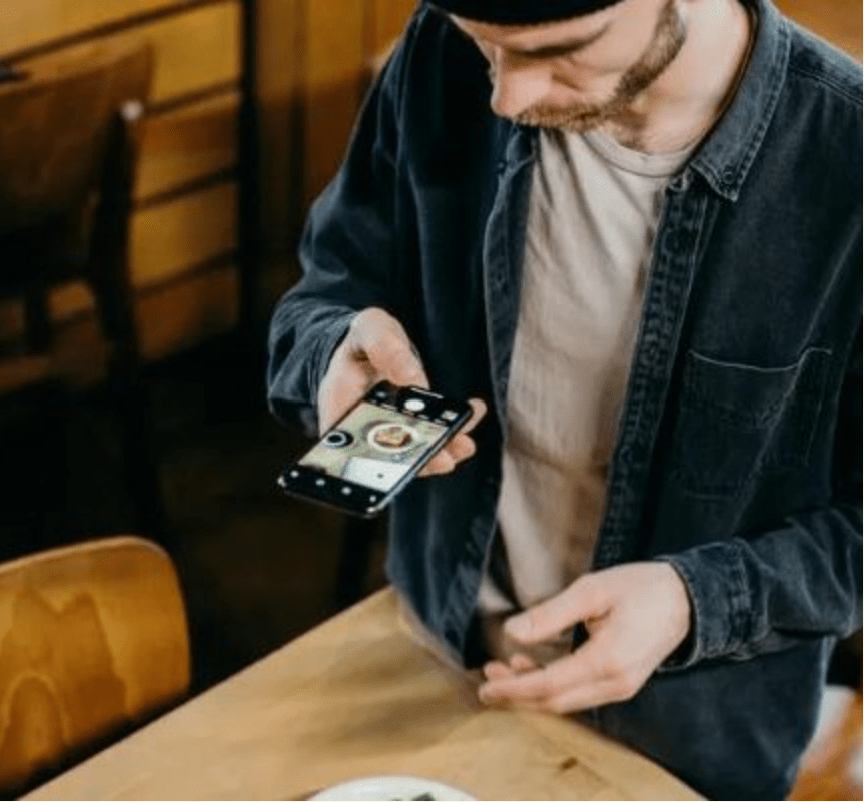
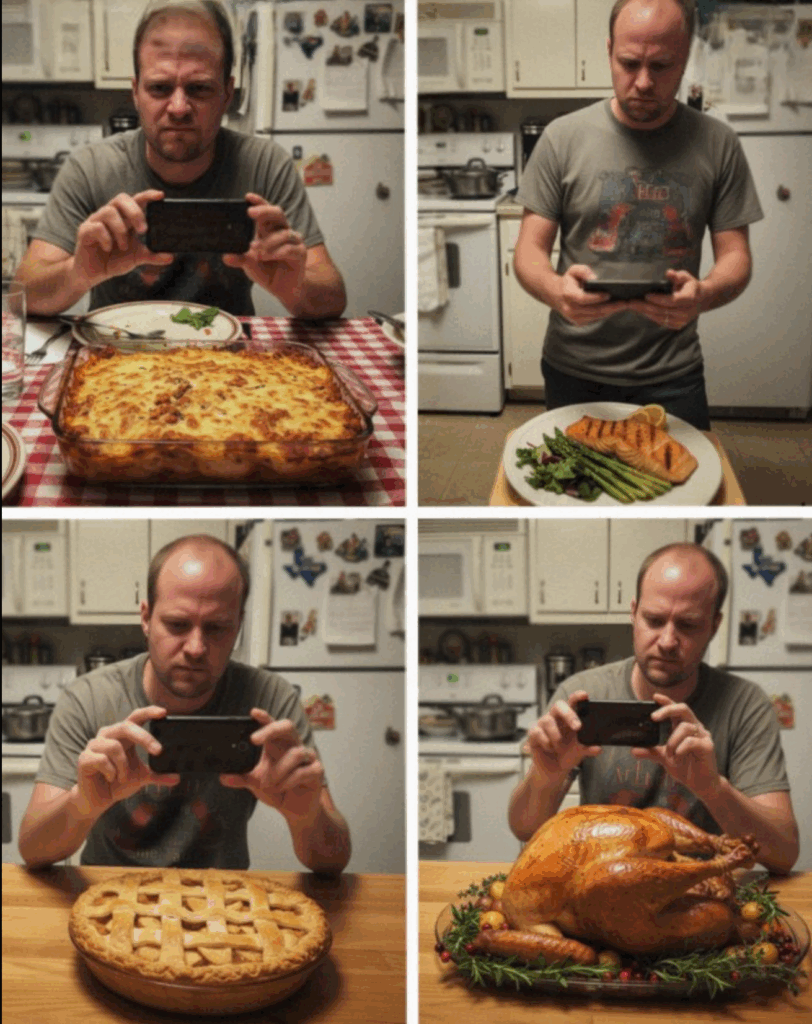
Every night, just before eating, Ryan would pause with his fork over the plate and pull out his phone.“Iris, wait, darling,” he’d say, hand raised. “Let’s send Mom a photo. She loves seeing what we’re eating!”

At first, it seemed cute. Slightly odd, but cute. Then she realized Linda didn’t just look at the photos. She criticized. Brutally. Every single time.
The first lasagna: Ryan showed her the message.“Look, Iris, Mom says: ‘It looks dry. Did your wife forget the ricotta? Ryan, you need a woman who knows her cheeses.’”
He laughed and turned the screen toward her. I didn’t laugh. I stood there, replaying my afternoon in the kitchen, wondering if I had actually forgotten something.
The next night was grilled salmon with lemon butter, a recipe passed down from my mother. Fresh dill, expertly grated lemon zest. The phone rang:
“This fish looks raw. Is she trying to poison you, son?”
The apple pie?“The crust looks burnt. Ryan, your grandmother would cry if she saw what your wife baked. Embarrassing.”
Thanksgiving turkey?“The poor bird looks pale. Clearly, she has no idea about roasting. Ryan, I told you to marry a housewife. You went with looks instead.”
Every critique felt like a slap, followed by Ryan’s shrug.“She’s just teasing, darling,” he said, smiling. “You’re too sensitive.”
Too sensitive — my personal nightmare phrase. I began to cook timidly, second-guessing everything from seasoning to my own worth.
Then came the chicken pot pie — my grandmother’s trusted recipe. Homemade crust, real cream, roasted vegetables, golden brown, buttery, topped with parsley. I was proud, for the first time, before it even reached the table.
Of course, Ryan grabbed his phone.“I have to show Mom—”“I know,” I interrupted, pouring myself a glass of wine.
Ten minutes later, the phone rang. Ryan read Linda’s message aloud:“Your pie… looks soupy.”“Soupy?” I stared.“Yes,” he said softly, laughing. “She thinks the filling should be firmer. And maybe stick to salad — much easier for beginners.”
And then I realized: maybe those who allow themselves to be humiliated don’t deserve to have the food served to them. But karma? Karma was already preheating the oven.
A few days later, Linda went to the theater, dressed in pearls and red lipstick, her proud, self-satisfied smile in place. Ryan went out drinking with colleagues. That same night, Mark, my father-in-law, showed up unexpectedly.
Tired, tie loose, carrying his bag as if the world weighed heavier than it should.“Lasagna?” he asked.“Yes, still warm,” I said, leading him to the fridge.
Mark tasted it, took a deep breath, then sighed in amazement.“This… is incredible! Feels like my mother made it!”
The screenshots I had secretly taken of Linda’s messages now lay in Mark’s hands. Every dig, every insult, every smug critique of my cooking was there. He flipped through them, slowly shaking his head.
“Thirty years of Linda’s cooking… and I’ve never tasted lasagna like this from her.”
When Saturday night arrived, Linda greeted us at the door in silk blouse, pearls, her hair perfect as if filming her own cooking show. But the dessert I brought — store-bought tiramisu — and Mark’s gentle nudges quietly turned the evening.
Every word, every bite became a reflection back to her.Linda eventually pushed her plate away and left in silence. Ryan sat quietly in the living room. Mark’s subtle smiles and elbow nudges reminded me: kitchen karma is sweeter than any dessert.
At home, in the kitchen, Ryan finally listened. No excuses, no explanations. Just listening. And I knew: I was no longer cooking for approval. I was cooking for myself.
Linda hasn’t commented on my cooking since. Sometimes she sends a recipe, the subject lines lighter: “Just for fun!” or “Thought of you!” Now, when I plate my food, I don’t wonder what anyone else thinks. I just season to taste and serve a well-earned slice of karma.
“Come on, Iris,” I whisper with a smile, placing the fragrant dish on the table. “A little salt, a little spice… and a perfectly timed dose of justice.”