I had the divorce papers tucked in the glove compartment the night everything shifted—quiet, seismic, like a fault line finally giving way under my feet.They were folded with a kind of reverence, the county seal catching the dashboard light like a final stamp of judgment.
My own signature slashed across the page, rehearsed a hundred times in my imagination. Signed. Dated. Ready to be dropped off at the courthouse Monday morning, as neat and bloodless as a surrender.
I’d even prepared the lines I’d deliver: calm, civilized phrases that tasted like ash in my mouth. We’ve grown apart. This isn’t working anymore. No theatrics. No pleading. Just a clean exit.
For months I’d been drifting around our home like a half-remembered ghost. Ila and I communicated only in logistics anymore—who’d buy milk, whether the trash had been taken out, which of us would deal with the rattling lawnmower.
Our dinners felt like rituals to a god neither of us believed in: forks clinking, the hum of the TV filling the silence, two people trying not to look directly at what was missing.It started unraveling when I lost my job.
Twenty years in the same plant, the same cubicle, the same faded mug with “Marcus & Ila” scrawled in marker from a joke my coworker made the day we got engaged. Then came the parade of euphemisms—restructuring, role elimination, severance package—and suddenly I was a man packing his life into a cardboard box, plucking dead leaves off a branch no one cared to water.
I assumed I’d bounce back. A week, a month—confidence whispered lies to keep me upright. But weeks dissolved into months, and hope slowly hardened into shame. A shame I couldn’t voice. A shame that grew claws.
And Ila… Ila watched me with eyes that shifted from warm to patient to wary. It wasn’t sudden; it was a slow eclipse. The shadows lengthened without my noticing.
Then came the things I convinced myself meant betrayal: a perfume I didn’t recognize, the soft laughter she gave the phone at midnight, the longer showers, the deleted call history. Nothing concrete—just enough to feed a starving imagination.
I filled the blanks with stories that made me the wounded party. It’s astonishing how easily pride can masquerade as self-preservation.So I printed the forms. Signed them. Slid them into the glove compartment like a loaded weapon. I’d walk away with dignity, I told myself.
Two nights before I planned to leave, Ila brushed past me on her way out. “Dinner with the girls,” she said, applying lipstick with a precision she no longer used on me. I nodded. She didn’t meet my eyes. She closed the door softly, as though I might break.
I tried to distract myself—dishes, job boards, old mail—but something restless crawled beneath my ribs, refusing to let me be. Jealousy or desperation—who can distinguish them when they share the same shape?
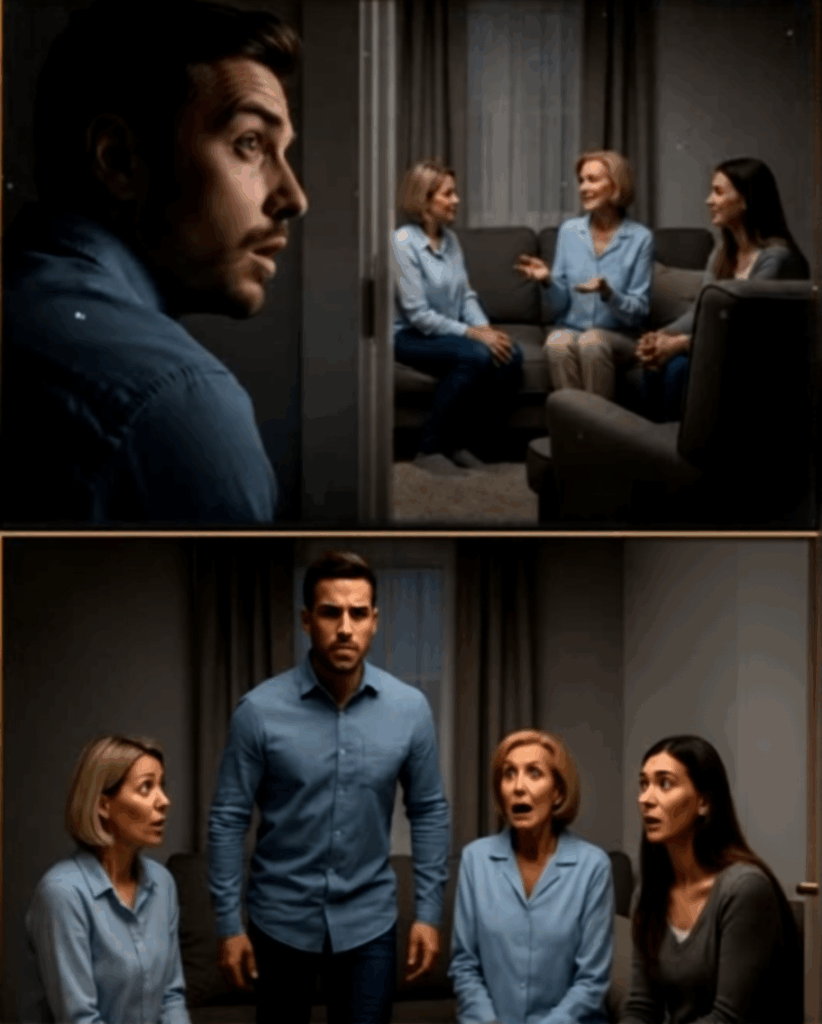
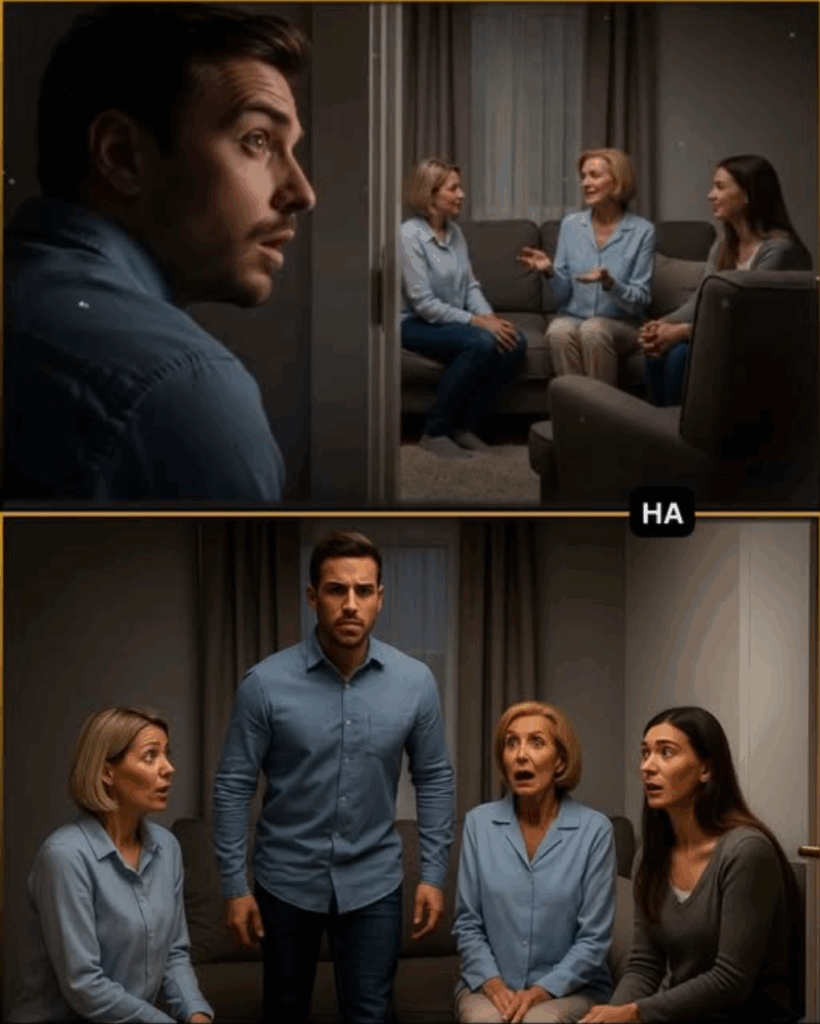
So I followed her.I parked across the street from the restaurant she mentioned and watched her through the window. Under the warm glow of hanging lights, she sat with her college friends—no men, no suspicious shadows.
Relief struck me first, sharp and humiliating. Maybe I had imagined everything. Maybe I had wanted to imagine it.But then one of her friends leaned forward and said something, and Ila—my Ila, the one who’d once laughed so easily—pressed her fingers to her eyes and began to cry.
I moved without thinking, stepping toward the opened side window where their voices drifted out in fragments.“He’s not himself anymore,” Ila whispered. “He sits like he’s somewhere far away.”
“Do you still love him?” her friend asked.Her laugh was brittle as cracked porcelain. “I don’t know. I remember why I fell in love with him… and that’s what hurts. He looks lost. He doesn’t argue. He doesn’t even try. It’s like he gave up—on himself, on us.”
My stomach dropped.“I’ve been distant too,” she admitted, voice trembling. “Not because I stopped loving him… but because I don’t know how to reach him anymore. Sometimes I think he deserves someone who believes in him more than I’ve managed to lately.”
Something in me collapsed. All the suspicion I’d nursed—self-righteous, poisonous—evaporated under the weight of her honesty. I slipped back into the car and sat there, gripping the wheel until my hands ached. In the passenger seat, the divorce envelope stared at me like a bad joke.
When Ila came home later, I was in the kitchen boiling water—an absurd, trembling peace offering. She hovered in the doorway, cautious.“You’re still awake?”“Couldn’t sleep.”Silence pooled between us, thick and unfamiliar.
Then, from nowhere, a memory surfaced. “Remember our first apartment? The heater that broke every winter?”Her face softened with a ghost of a smile. “We used to boil water in pots and pretend it was charming.”
“You’d shove your freezing feet under my legs,” I said. “You said I was your personal radiator.”She laughed—quiet, startled—and something loosened inside both of us.I reached for her hand. She hesitated, then let me hold it. Her fingers were stiff but not retreating. It felt like touching something delicate and long forgotten.
We didn’t speak of the divorce papers. We didn’t unspool the months of silence in a single night. But something subtle shifted—like a window cracking open in a long-sealed room.
Over the next weeks we tried—clumsily, awkwardly—to find each other again. We tripped over old habits, apologized, tried again. Went to counseling. Cried in front of someone paid to witness it. Ila admitted she feared I no longer saw her. I confessed I feared she’d see me as a failure.
Slowly, painfully, we relearned honesty. We relearned touch. We relearned the art of not flinching.A few months later, while cleaning the car, I found the divorce papers again—creased, curled, pathetic. I stared at my signature, the signature of a man convinced he knew the whole story.
I tore them. Slowly. Deliberately. The pieces fluttered like brittle leaves, drifting into the gutter.Rebuilding is not romantic. It’s repetitive, humbling work. Sometimes ugly work. But we kept choosing it: showing up to conversations that scared us, reaching for each other even when it felt easier to shut down.
One evening, long after the worst of it had passed, Ila asked, “Do you remember that goofy guitar song you used to sing to make me laugh?”I hadn’t played in years. But I fetched the old, half-cracked guitar, strummed clumsy chords, and croaked out a terrible version of the song.
She laughed until she cried.And for a moment, I felt like the boy who once tucked her cold feet beneath his legs on a threadbare sofa and believed that small acts could hold a world together.
Marriage, I’ve learned, isn’t the absence of breaking. It’s the courage to stitch the broken parts together again. Not because you’re unbroken—but because the light leaks through the seams.And sometimes love is nothing more than a quiet voice murmuring in the dark:
“I still believe in you.”