I stood by the grave, my hands trembling as I clutched Berta’s cold, worn collar. The damp earth thudded softly on the coffin, each shovelful taking a piece of the past with it. Inside me, a strange, conflicting storm of feelings churned
— the bitter sting of loss, and something quieter, almost peaceful, as if Grandma had finally found her way home, to the place she had always longed for: peace. Berta whimpered softly, tugging at her leash, searching for a gaze that would never answer again.
The pain of loyalty and absence hung heavy in the air.Grandma had brought Berta into my life when I was still a little girl. I remember the tiny brown-eared puppy scurrying across the living room and Grandma laughing like a child who had just rediscovered joy.
From that moment, they were inseparable. “She’s my best friend,” Grandma always said. And she truly was. When Grandpa passed, Berta became her anchor — the last gentle companion who would never abandon her.
As Grandma fell ill, I visited more often. The house smelled of medicine mingled with the lingering scent of old pine furniture and vanilla pastries. Everything was in its place, as always — she never complained, never asked for help.
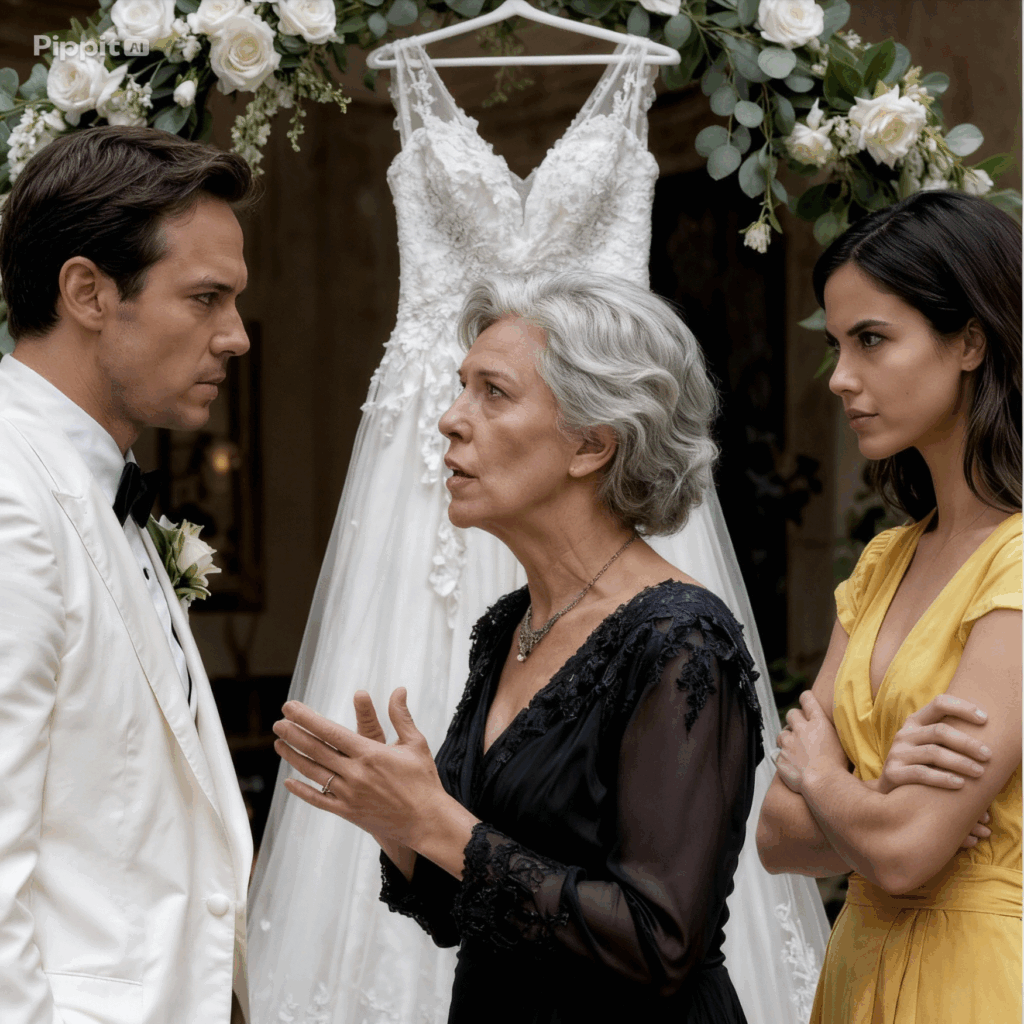
“Meredith, don’t waste your life on me, sweetie. Live!” she often said, but I couldn’t let go. I knew that besides me, she had no one. Our relatives had long since turned away, each locked inside their own selfishness.On the day of the funeral, the family gathered once again.
For the first time in years. Everyone dressed neatly, faces proper, but in their eyes gleamed a certain greed, the way people do when calculating what they stand to gain or lose. It was clear their minds were not on the farewell, but on the will.
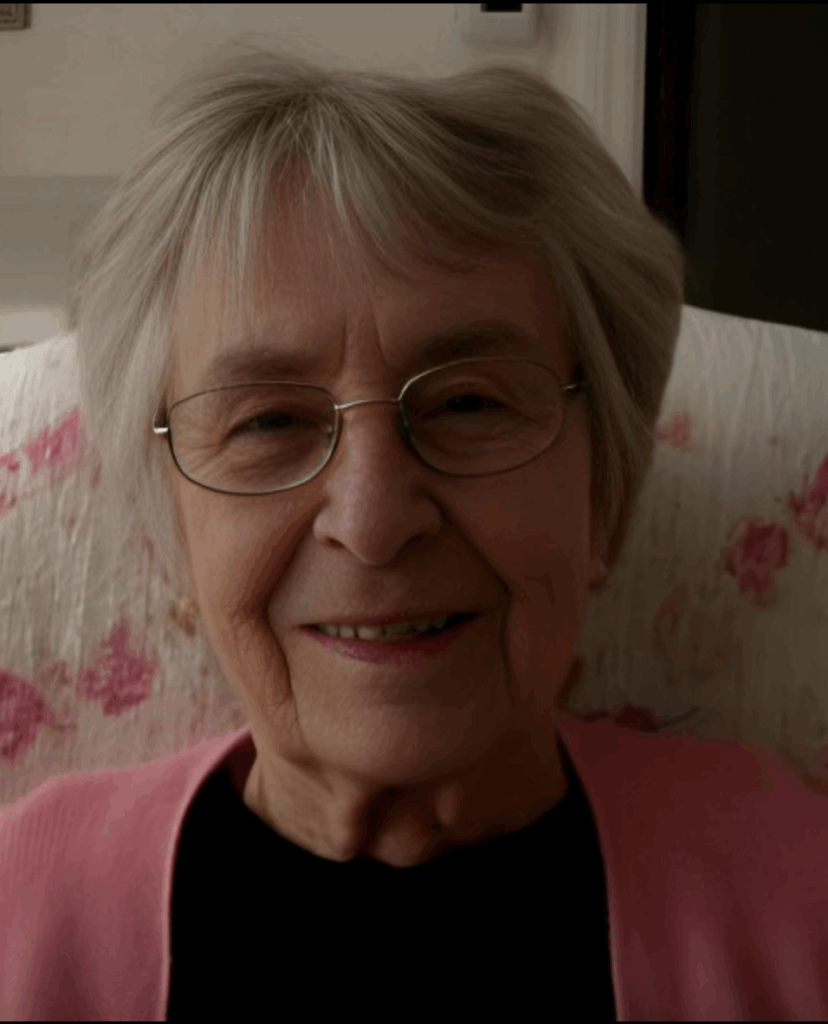
When the lawyer read Grandma’s testament, the silence that followed cut sharper than any word: “All of Cassandra West’s assets are not to pass to family members.” The air in the room froze. My mother was the first to scream, “This is impossible!” But I wasn’t surprised.
I just stroked Berta’s head, who panted uneasily at my feet, as if she too felt the weight of the truth.The argument escalated quickly. Words snapped like whip cracks — about justice, law, fairness — but all I saw in their eyes was the flame of possession.
When they finally fell silent, I whispered softly:— Grandma didn’t want you fighting.But no one heard me.Late that night, when the house finally quieted, I sat alone in Grandma’s old armchair, where she once knit, gazing at the pictures on the wall.
Her smile radiated from them even now. Neighbors had often told me about all the good she had done: paying for the education of unknown children, delivering food to the elderly, quietly helping wherever she could. The family had no idea — or perhaps didn’t want to know.
A few days later, my mother came to me, sharp and cold:— Did Grandma leave you anything?— No, — I answered softly.— Then why are you so calm?I didn’t reply. I just felt, deep down, that Grandma’s message was still waiting for me.
Weeks passed. Berta stayed with me — and somehow, so did Grandma’s spirit. But life was hard. Rent climbed, work exhausted me, and nights were spent on hospital duty. Sometimes, when I came home, I could cry simply from fatigue.
One night, Berta behaved strangely. She paced back and forth, then fixed her gaze on an old chest where Grandma’s memories rested. I opened it. A lace doily, a small jewelry box, and tucked deep inside — a tiny package. Inside was a key, and a note in Grandma’s handwriting:
“Meredith, if you are reading this, I am no longer there. Take care of Berta. She knows who can be trusted. Follow her. — K.”The key was engraved: Locker 153. My heart raced. I knew Grandma had rented a locker at the train station years ago.
The next day I went there. The lock opened easily. Inside were a folder, an envelope, and a pendant. The envelope had my name on it.The letter confirmed everything I had suspected:
“I left nothing to those who only wanted my name.
Everything is yours, Meredith — because you loved me, not for money, but without condition, from your heart. Berta is my witness. While she lives and you care for her, all is yours. But remember: wealth is just a tool. Use it to do good.”
My hands shook, tears dropping onto the paper. They weren’t tears of joy — but gratitude, that she had seen me, understood, and believed in me.A few days later, the lawyer confirmed it: everything was legal. Grandma had quietly prepared it all.
She left me the house, the accounts, and a fund for the hospital where I worked.Returning home was painful. Every object, every scent, reminded me of her. But slowly, I learned to live again. I used the money as she had requested — for children’s care, medical equipment, aid for those in need.
And every time I helped someone, I felt as if Grandma’s smile shone on me from somewhere in the background.Berta aged, too, but as long as she lived, every evening she lay by Grandma’s old armchair — as if guarding her. And sometimes,
when the afternoon sunlight turned the room golden, it felt as though Grandma was truly there — with the scent of lemon tea, a soft scarf on her shoulder, and that quiet, all-understanding smile.Grandma was gone, but she left me the greatest inheritance:
the belief that goodness asks for no praise, seeks no reward. It quietly endures in those who still know how to love with their hearts.