When I was lying in the hospital after my hip surgery, there was only one thought that occupied my mind: I wanted to go home. I dreamed of the quiet of my own house, the scent of jasmine in the garden, the old armchair by the window where Andrés and I had spent
so many happy hours together—reading, talking, or simply listening to the soft hum of the world outside.The ten days in the hospital felt endless. I counted every minute, watched the clock as the doctors processed the paperwork, confident that my son
Daniel and my daughter-in-law Valeria would be there to take me home. They knew how hard it had been for me.But no one came. I didn’t hear a doorbell, a phone ringing, or any footsteps. Only silence remained.Finally, I handled the paperwork myself,
called a taxi, and as I clutched my bandaged leg, I kept repeating to myself,“Surely they’re busy… everything must be fine at home. Everything will be fine.”When the taxi turned onto Jacaranda Street, my heart almost leapt from my chest.
There it was—our house. White walls, a blue gate—this was home. Here, Daniel had grown up; here, Andrés and I had sat in the garden and dreamed of growing old together.But at the gate, a strange unease met me. A black SUV I had never seen before was parked there,
and the garden gate was half open, as if waiting for something.I knocked, my heart pounding. Daniel opened the door—my son, the one I had once cradled in my arms, measured his temperature, walked to countless exams with. But his gaze was strange,
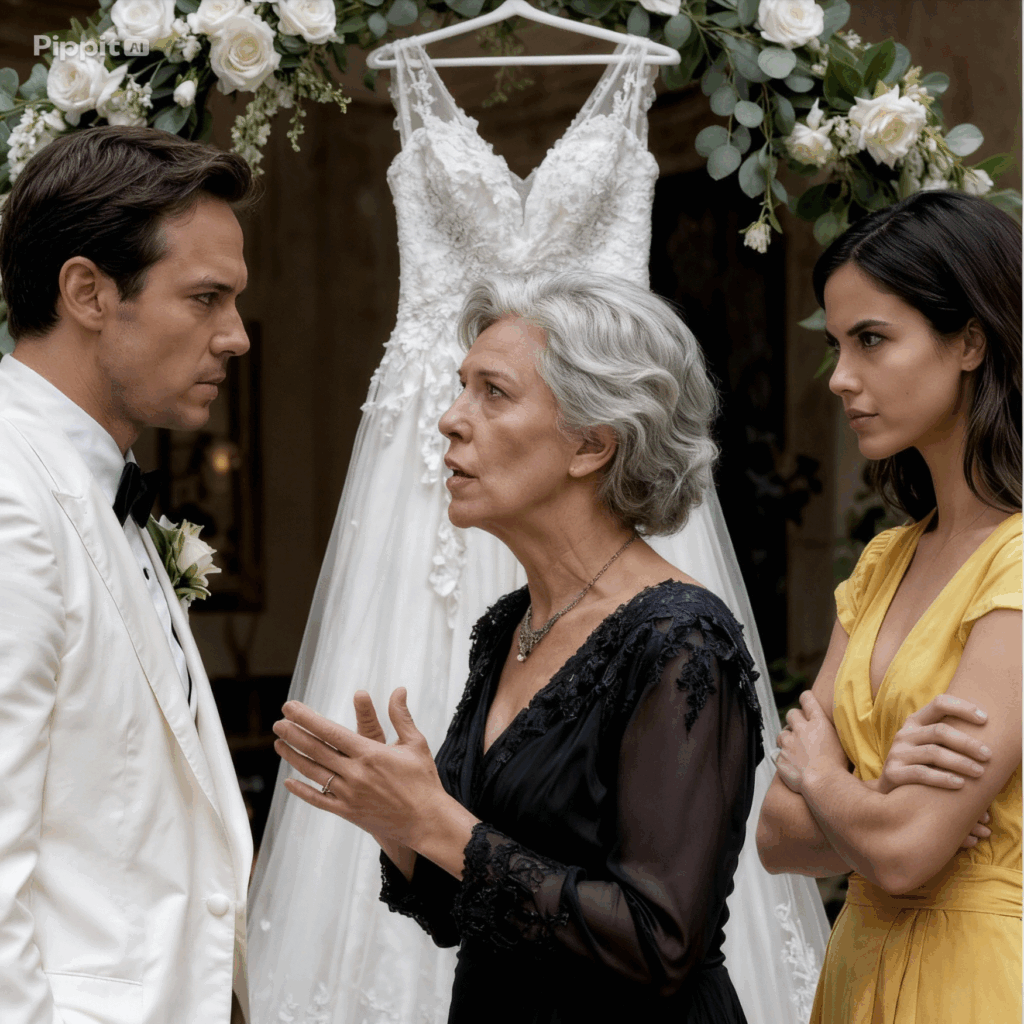
cold, as if a completely different man stood before me.“Mom,” he said flatly, without warmth, “you can’t come in.”I was stunned.“What did you say, my son? This is our home…”Behind him appeared Valeria, carrying my granddaughter, Camila.

“From today, my parents live here,” she said calmly, as if it were the most natural thing in the world. “We’ve already taken your things out.”I couldn’t believe my ears.
“Valeria, this must be some kind of joke! I just got out of the hospital!”
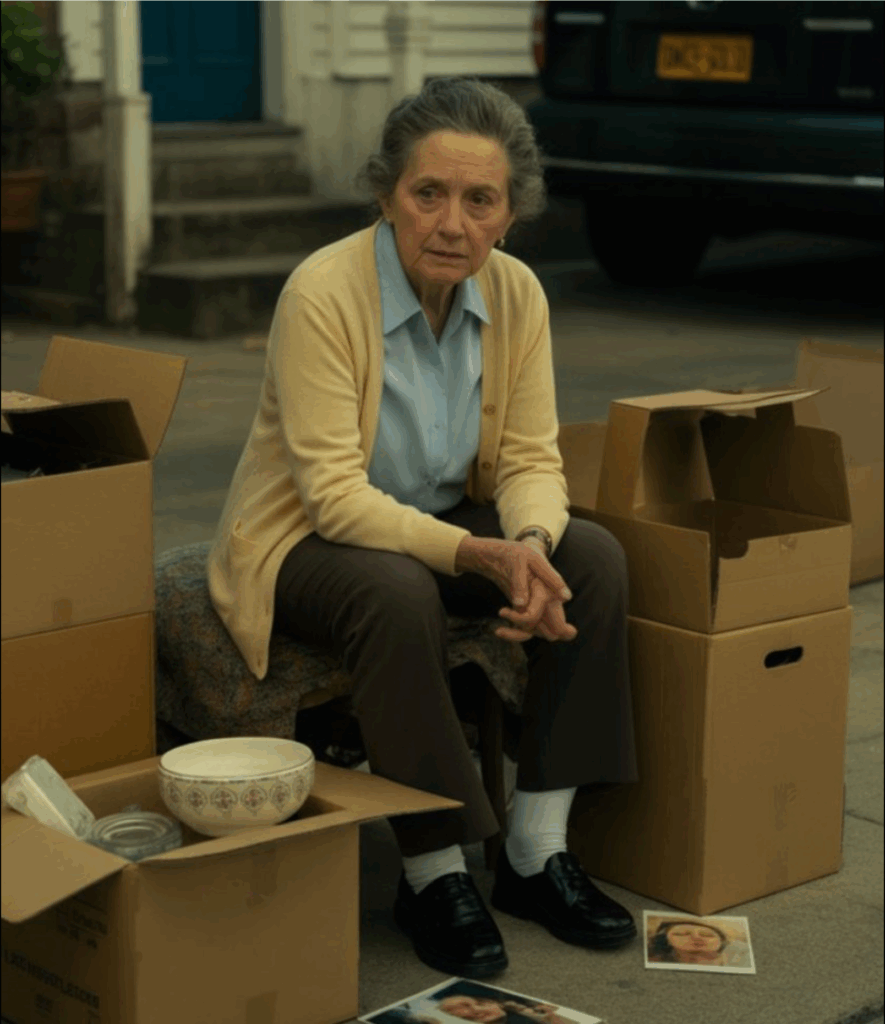
Her eyes were cold, showing no trace of pity or compassion. On the steps were boxes—my memories, my past, the wool blanket Andrés had given me, old photographs, the porcelain cup my mother had given me—all now sitting in boxes labeled with black marker: “C.M.”
“You have no right!” I whispered, my legs trembling.“It’s all legal,” Daniel replied, tossing some papers onto the ground. “You signed them yourself.”I sank to my knees, my hands shaking as I looked at the documents. Power of attorney… my signature.
A memory flashed in my mind: Valeria at the hospital, smiling, telling me these were “insurance papers,” and I had signed without reading, just to avoid holding up the nurse.And that’s how I had handed everything over—my house, my savings,
my accounts. Pieces of my life, given away.From that night on, a new life began—without a home, without a family—but with one purpose: to reclaim what was mine and to regain my dignity.I rented a small, cheap room in downtown Querétaro.
The walls were pale, the air smelled of disinfectant and dust, but I lit a candle and took out our old wedding photo—Andrés holding my hand—and I cried quietly.An hour later, my old friend Marta arrived. She had known me all my life.
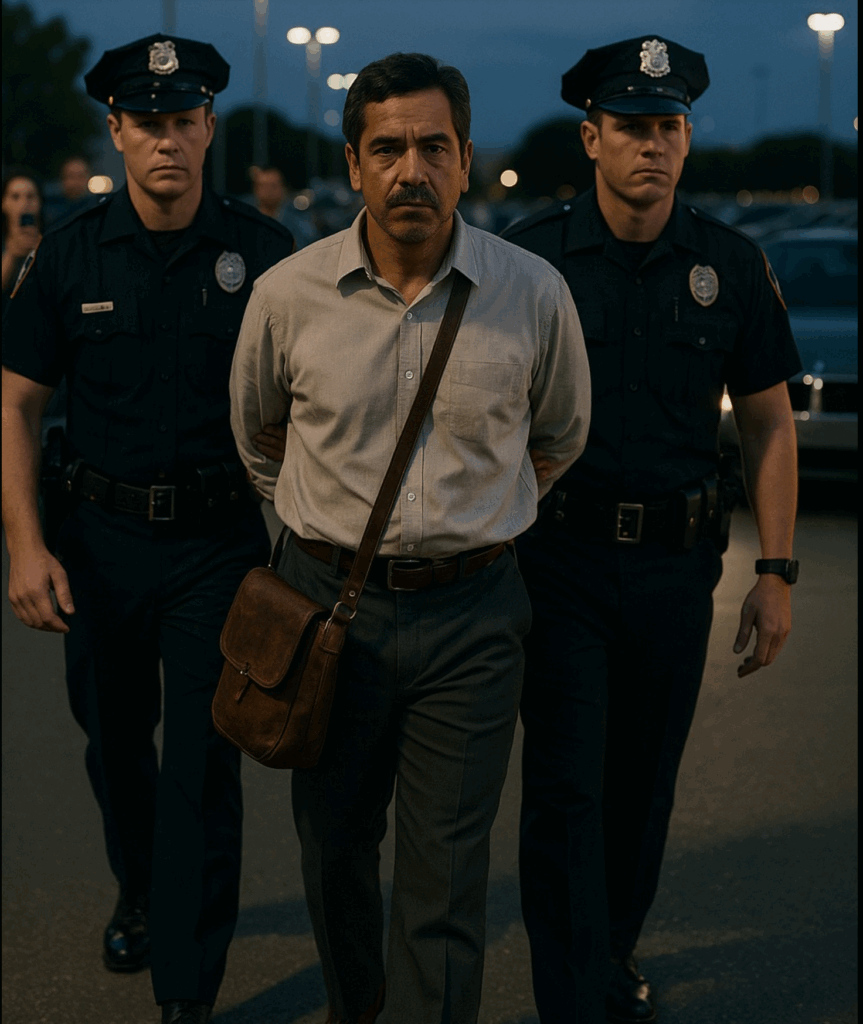
“Clara,” she said, opening a briefcase, “while you were in the hospital, Valeria wiped out your accounts and transferred the money to her father’s company.”It felt like the ground had disappeared beneath me. This wasn’t just theft… it was betrayal.
“Why?” I whispered. “I trusted them…”Marta took my hand.“Because you have a good heart, Clara. But now isn’t the time to cry—it’s time to act.”We filed a report, collected evidence. We discovered that they had treated other elderly neighbors the same way.
Day by day, my determination grew. Andrés’s words echoed in my mind:“You’re strong, Clara. Don’t let anyone humiliate you.”The investigation was long—court sessions, documents, witness testimonies—but the truth prevailed.
The papers had been signed under false pretenses, the money had been taken illegally, and the power of attorney was invalid. My house was returned to me.When I walked back inside, the walls seemed to whisper,“Welcome home, lady of the house.”
I cried—relieved, heartbroken, overwhelmed all at once.Neighbors came with flowers and cakes, helping me set everything right. One day, Camila ran into the garden without Valeria andhugged me tightly.
“Grandma, is everything okay now?” she asked.“Yes,” I whispered, stroking her hair. “Now it is.”Life slowly returned to the house. But I was changed. I had learned never to trust blindly, to read every line, and to stand up for myself.
With Marta’s help, I founded the Andrés Montiel Foundation, to help elderly people review documents before signing anything.Sometimes, I go out to the garden at night, when the jacarandas bloom, and light a candle in front of Andrés’s portrait.
“I did it, my love,” I whisper. “I survived betrayal and found the strength to live again.”The wind stirs the purple petals, and now I feel not pain, but gratitude—for friends, for second chances, and for life showing me that even after the deepest betrayal,
it’s possible to reclaim home, respect, and faith in humanity.Because true strength isn’t in never falling—it’s in always finding the courage to rise again.