You built your empire in silence—brick by brick, deal by deal, sleepless night by sleepless night. You are Antonio Mendoza, sixty years old, and everyone in Mexico City knows your name, even if they pretend they don’t.
Your house in Las Lomas glows like a crown no one is allowed to touch, especially on nights when cameras hover. Tonight is supposed to be your celebration: strings by the fountain, orchids imported like groceries, champagne poured like water. But you didn’t come to be celebrated. You came to see who would recognize you if you stopped being useful.
You arrive on foot, a ghost among the glitter. Your beard is wild, shoulders hunched under a torn blanket, shoes mismatched on purpose. Perfume drifts from the mansion—so rich it could pay a year’s rent for someone in Tepito.
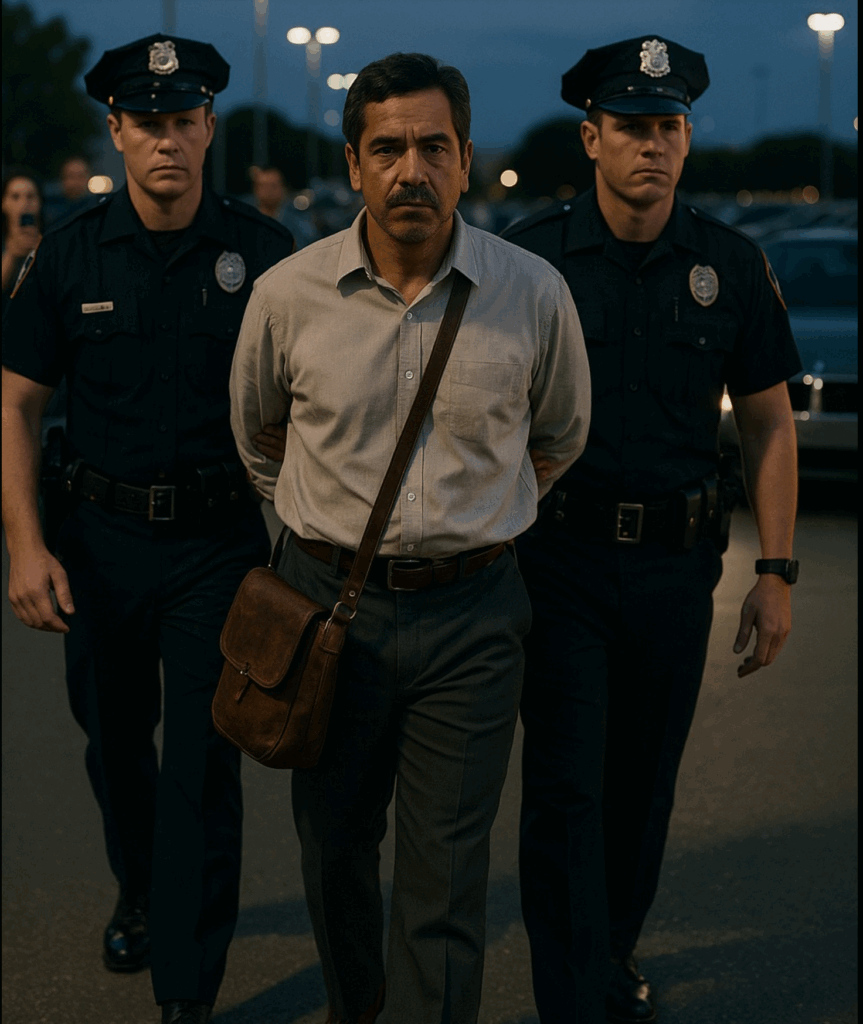
Two guards stare at you like you’re a stain, hands hovering over radios. One asks what you want. “I’m here for my party,” you say, voice roughened by weeks of invisibility. He laughs once, sharp as a whip. “Go before we call the police.”
The second guard steps closer, as if your breath might corrupt the event. Your heart doesn’t race—you rehearsed this. But the sting of being treated like trash on your own property is sharper than any fight overseas.

Then the head of security arrives—a thick-necked ex-cop with eyes that expect obedience. He doesn’t recognize you under the grime, and that is the point. He doesn’t ask, he commands: “Get him out of here.” Firm hands grip your arms.
You let them. Resistance would make this a story they could justify. Inside the gate, music falters, as if the night itself is holding its breath. And in that pause, you see the truth: without money attached, this is what you look like to them.
Then your eldest son appears, perfectly on cue. Carlos Mendoza in an Italian suit that costs more than most people’s cars, smiling like the world owes him room to breathe. He doesn’t see a father—he sees an inconvenience.
“What are you waiting for?” he says loud enough for everyone to hear. “This isn’t a soup kitchen.” His words land like ice behind your ribs. You realize you taught him that harshness pays, that mercy is weakness.
Pablo, the middle son, follows. He tilts his head, squints, and settles on cruelty. “It’s a scam,” he announces calmly. “They pretend to be family to get money.” He signals the guards to call the police.
You remember the restaurants you quietly kept alive, debts you quietly paid, mistakes you quietly cleaned up. You realize now: support without boundaries is just permission. And your sons have been living on permission for years.
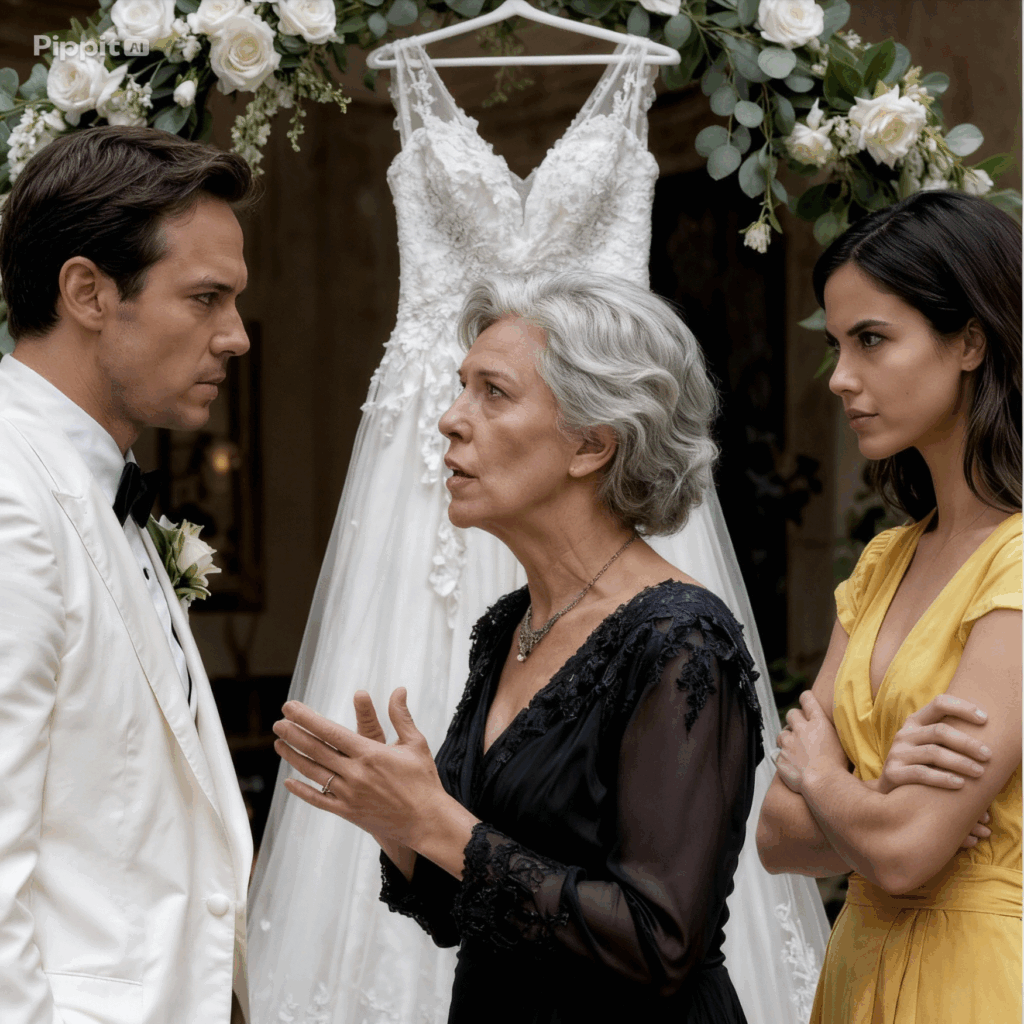
Your wife, Mónica, arrives last—always when she knows eyes are watching. Red couture, face perfected in disdain. She doesn’t ask if you’re hurt. She looks at you like you’re a stain on her dress. “What kind of cheap joke is this?” she hisses. “Get him out.” Names make people real. You are a problem, not a person.
Then a voice cuts through the night like lightning. “Let him go!” Lucía, your youngest, storms forward. No designer labels, no jewels, just fury and love intertwined. Her hair is tied back, eyes blazing.
She throws her hand between you and the guards and looks at you, really looks. She sees you, not the blanket, not the dirt, not the street smell. “Dad,” she whispers, and the world tilts.
Pride falters. The mask cracks. Tears, long denied, break free. She clings to you, unafraid of who is watching, unafraid of the whispers and phones raised for video. She recognizes the man who carried her, clapped at her graduation, was always “busy” but never absent in her memory.
And for the first time in years, you feel something stronger than power: love.Your family is frozen. Mónica’s color drains. Carlos is stiff, calculating how to escape shame. Pablo opens his mouth, closes it. They didn’t reject a stranger—they rejected you.
You step back from Lucía, wipe your face on a dirty sleeve, and address the crowd who wears your name like a designer brand: “I didn’t come to ruin a party. I came to see who would recognize me when I wasn’t a walking bank account.”
Three months ago, you staged a collapse—frozen accounts, whispers of ruin. Only your attorney and doctor knew. You walked the city as a ghost. You watched friends vanish when your wealth was taken away.
And you watched your family react: panic not for your safety, but for their lifestyle. Mónica never filed a missing person report. Carlos worried about inheritance. Pablo begged for money. Only Lucía searched, quietly, relentlessly.
You tell your family what happened, not to punish, but to document truth. And you act. Divorce is filed—not revenge, but clarity. Mónica loses control. Carlos loses entitlement. Pablo gets a chance at humility: start at the bottom, earn your way. Lucía? She asks for one thing: “Don’t disappear again.” You promise her you won’t.
A year later, your birthday is small. Lucía brings a cake with one candle. No cameras, no orchestra, no false applause. You wish quietly. She hands you a list—people helped by your money, quietly, purposefully. You feel rich for the first time in decades.
You realize the real ending wasn’t revenge, or humiliation, or even forgiveness. The real ending is this: when the world tried to reduce you to nothing, one person still called you Dad. And in that, you built a life that can’t be bought, borrowed, or thrown out at the gate.