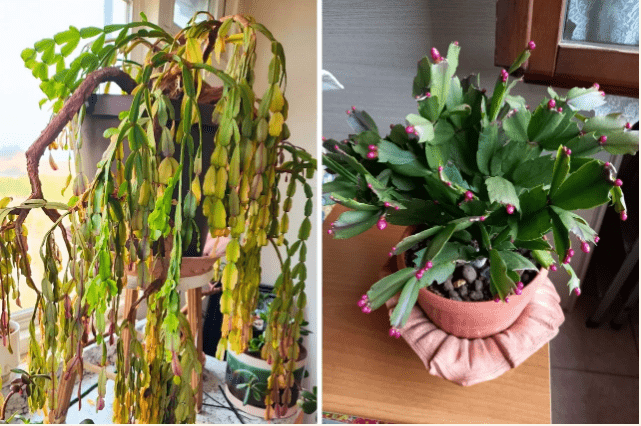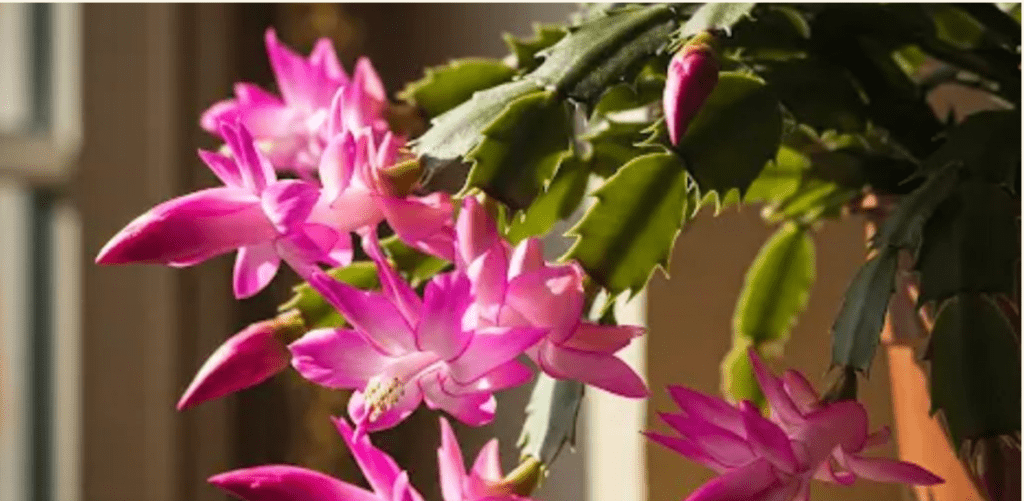
Understanding the Christmas Cactus: A Guide to Thriving BloomsUnlike the typical desert cacti you might be familiar with, the Christmas cactus hails from the lush rainforests of Brazil. There, it thrives in humid, shaded environments—conditions quite different from those of arid deserts.
To help this tropical beauty flourish and produce its spectacular blooms, it’s essential to mimic its natural habitat as closely as possible.Why Isn’t My Christmas Cactus Blooming?If your Christmas cactus isn’t putting on a show, several factors could be at play:
Insufficient light – Bright, indirect light is crucial. Too little light can prevent buds from forming.Incorrect temperature – Flowering is triggered by cooler night temperatures, ideally between 10–15 °C.Improper watering – Overwatering or underwatering stresses the plant and can make buds drop.
No rest period – Like many tropical plants, it needs a period of rest with reduced water and darkness to set buds.Step-by-Step Care for Gorgeous Blooms1. Give it the right lightChristmas cacti love bright, indirect sunlight. Place yours near a north- or east-facing window in spring and summer.
In the weeks before flowering, limit exposure to artificial lights at night—the plant needs long, uninterrupted dark periods to form buds.2. Watch the temperatureDaytime temperatures around 18–21 °C and cooler nights of 10–15 °C encourage flowering. Avoid placing your plant near heaters,
radiators, or drafty spots, as sudden temperature changes can make buds drop.3. Master the watering scheduleKeep the soil slightly moist but never soggy. During autumn and winter, reduce watering and allow the top layer of soil to dry between waterings.
Overwatering leads to root rot, while underwatering can dry out buds.4. Allow a rest periodStarting in early autumn, give your Christmas cactus a “mini-vacation.” Reduce watering and place it in a cool, dark spot for 6–8 weeks, giving it 12–14 hours of darkness daily. This dormancy triggers the plant to develop flower buds.
5. Choose the right soil and fertilizerA well-draining soil mix—like succulent soil or a combination of potting soil, sand, and perlite—is perfect. Fertilize monthly from spring to early autumn with a balanced, diluted fertilizer (10-10-10). Stop fertilizing in mid-autumn to encourage blooming.
6. Repot sparinglyChristmas cacti prefer a slightly cramped home. Repot only every 3–4 years or when the soil becomes compacted, choosing a pot just slightly larger than the current one. Fresh soil will rejuvenate the roots without stressing the plant.
7. Patience and gentle observationOnce buds appear, resist moving the plant or exposing it to temperature extremes. Keep watering lightly and provide bright, indirect light to support healthy flowering.Common Challenges and How to Solve Them
Buds fall off before blooming – Usually caused by sudden temperature changes, overwatering, or moving the plant too often.Leaves shrivel or wilt – A sign of underwatering; gradually increase watering frequency.No buds at all – Likely due to too little darkness, incorrect temperatures, or nutrient deficiencies.
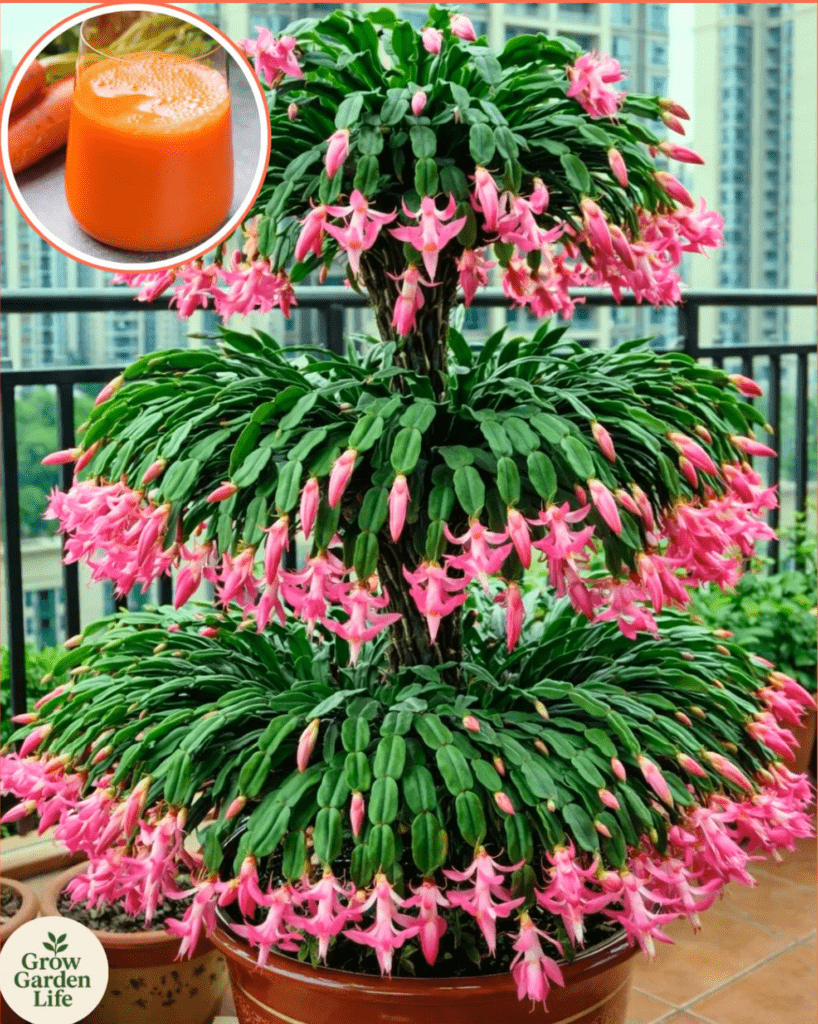
Final ThoughtsWith a little attention to light, temperature, and watering, your Christmas cactus can thrive year after year. Follow these tips, and you’ll be rewarded with a dazzling display of blooms that will bring festive cheer and tropical beauty into your home season after season.