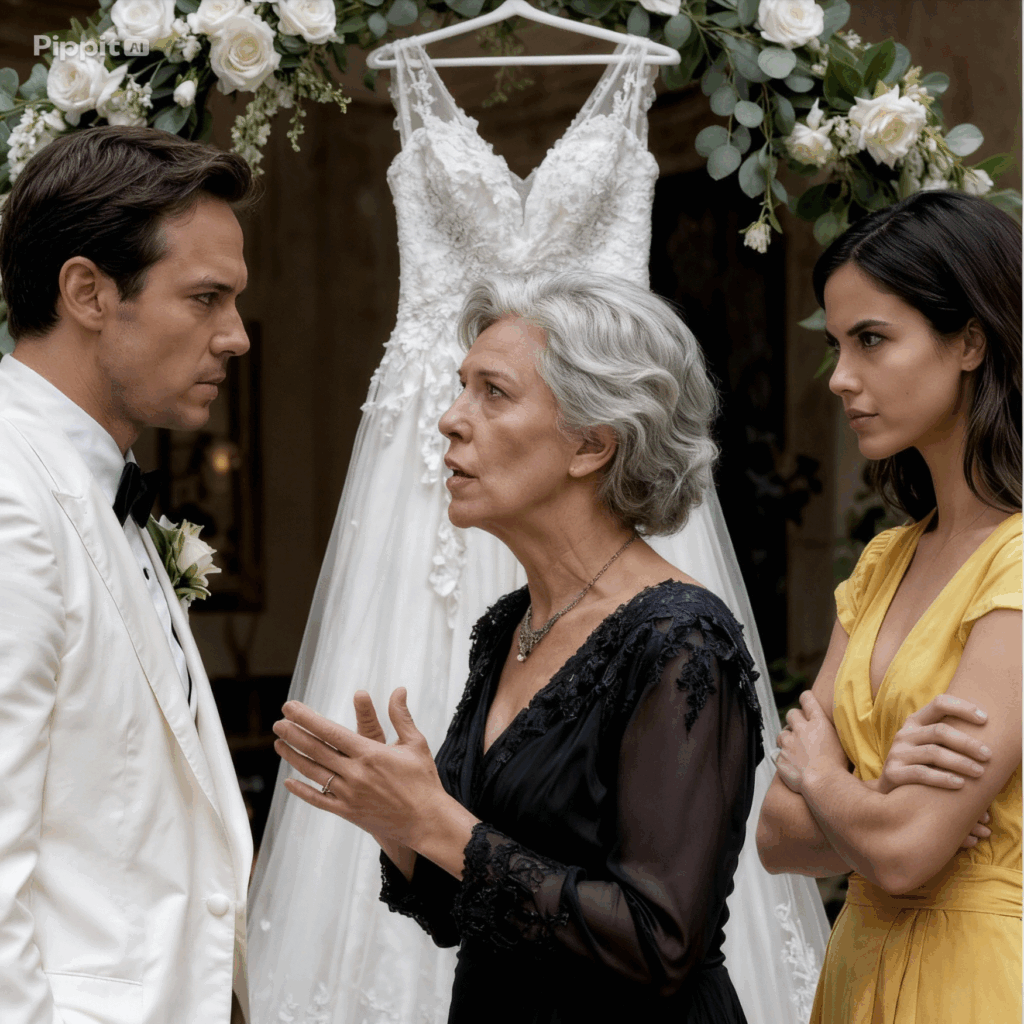
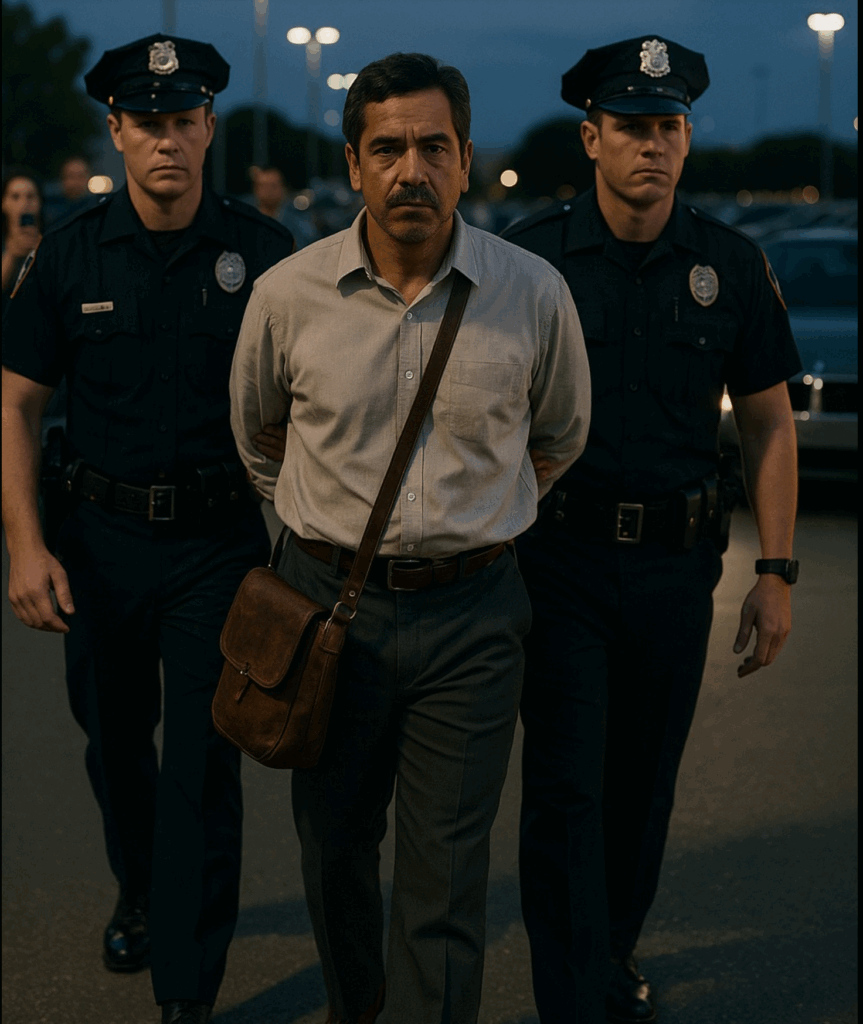
When Fyodor finished university and finally stood on his own two feet, one thing was crystal clear to him: he would never return to the house that had never felt like home. The walls that once promised protection were now only barriers of coldness and indifference.
He had spent years merely existing in that house, yearning for a spark of genuine love—and had always been disappointed. Then, one day, the phone rang.
It was his mother. She asked to meet. Her voice was soft, almost regretful, as if it came from the depths of a broken heart. “I’m sorry,” she said—so quietly, yet so heavy, that it struck Fyodor’s heart. For the first time in his life, he heard the words he had longed for so desperately.
And he believed her. Like a drowning man clutching at hope, he clung to the possibility that perhaps everything had changed, that she might have loved him all along—she just never knew how to show it. The thought was intoxicating.
Perhaps now things would be different. Perhaps she would finally be the mother he had always needed.
Soon, the calls became regular. Invitations to family gatherings, questions about his life, little conversations that made him feel seen for the first time. Fyodor soaked up the attention like a parched desert absorbs its first rain.
Finally, he was no longer the overlooked child standing in the corner. He was finally part of the family.
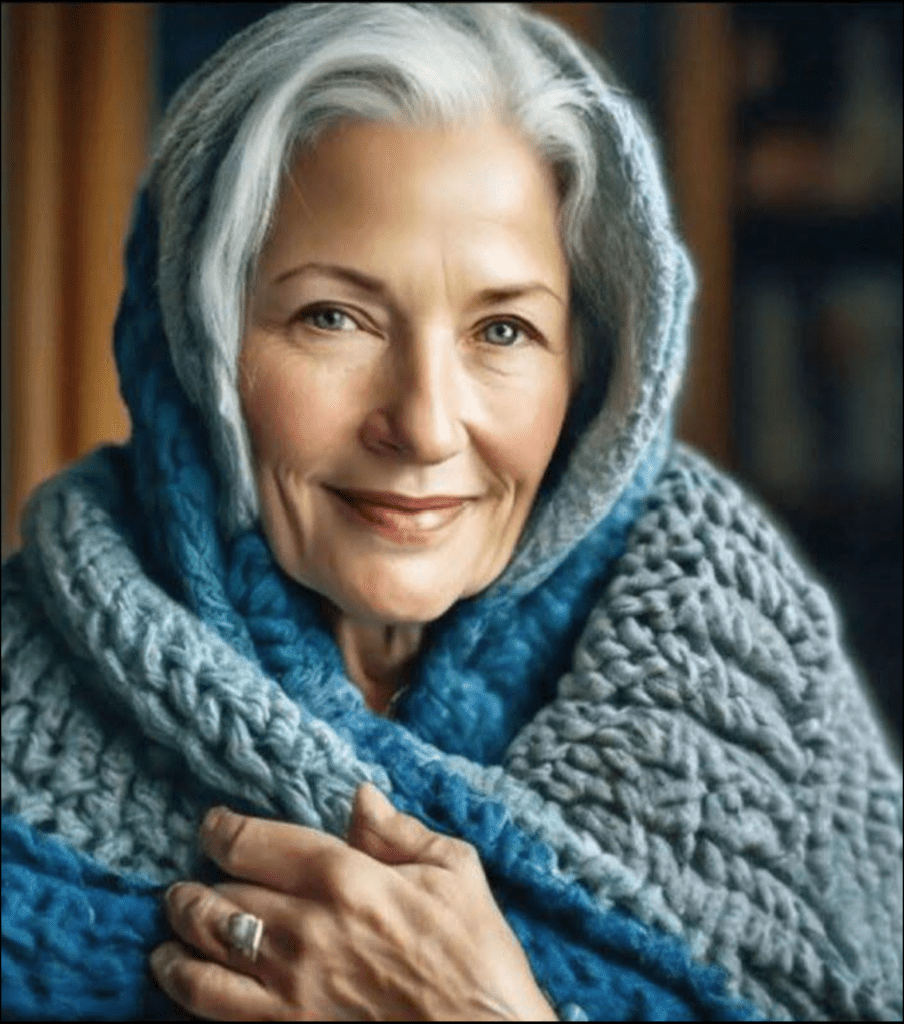
But, as water flowing gently into a valley can turn into a torrent, these waves of happiness soon became a raging current.
It began with small favors: “Fyodor, could you help Alexei with his studies? He’s struggling at university.” Naturally, he helped. Soon came requests for homework, essays, even entire seminar papers.
The demands grew, and Fyodor allowed himself to be drawn in, intoxicated by the feeling of being needed.
Every word of praise from his mother was like a drop of gold. “Without you, we’d be lost,” she said, in that warm, maternal voice he had longed for his whole life. She had never praised him for excelling at school, never for fighting through university.
But now, every word mattered. Every compliment caressed his soul.When Alexei finally graduated—thanks to Fyodor’s help—the tone changed. Suddenly, there were crises, debts, urgent financial problems. And Fyodor gave. Again and again.
Then Nikolai, his stepfather, left his mother. “I can’t do this anymore,” he said and disappeared. Fyodor, faithful as a dog, promised never to abandon his mother.
He gave up everything—new clothes, free time, his own happiness—just to keep the family “happy.” But on a freezing winter day, when he asked for a warm coat for himself, the facade crumbled.
“I can’t help this time,” he said cautiously.The response hit him like a slap: “How can you be so heartless?!”Fyodor froze. After all those years, all that sacrifice, he was suddenly nothing more than a tool, a means to an end.
A few days later, he sat in a café with Svetlana. She had known him since seventh grade, the only one who truly understood him. “Fyodor, wake up,” she said. “Your mother is using you.”He laughed bitterly. “No… that can’t be true.”
But deep down, he had long known the truth.Then came the moment that changed everything. Svetlana called him, crying. Her father was gravely ill and urgently needed heart surgery; insurance would take too long. A loan was the only chance.
“Fyodor… can I list your number as a contact?”Something tightened in his chest. If he hadn’t spent his whole life sacrificing for his mother and Alexei, he could help now. But this time he said: no. Enough.
He went to his boss, requested an advance—his boss was tough but fair. Minutes later, it was arranged: 20% of his salary would be deducted until the debt was repaid. For Fyodor, all that mattered was that Svetlana and her father now had a chance.
When he told her, Svetlana fell into his arms, sobbing. “I’ll pay you back every cent!”“Don’t even think about it,” he said. “All that matters now is your father’s health.”
Hours later, they waited at the hospital for the surgery outcome. Fyodor, who had never prayed, closed his eyes and did. When the doctor came out smiling, he felt a relief that surpassed everything.
And then Svetlana’s mother said something that touched Fyodor’s heart forever: “Thank you, Fyodor. You are part of our family. Did you know Svetlana has been in love with you since seventh grade?”
Fyodor’s heart raced. Svetlana blushed, and he knew he needed to talk to her—but first, her father had to get better.
When he returned home, his mother was at the door. Arms crossed, face a mask of anger and accusation: “Why didn’t you answer the phone?! Your brother is in trouble. You must take responsibility!”
Fyodor stopped. For a moment, his whole life played before him like a film—neglect, exploitation, endless longing for love.Then he laughed. Laughed at the absurdity. Laughed because he finally saw clearly. He stepped back, looked at his mother, and said:
“You know what, Mom? You never had a mother.”He turned and walked away. In his heart, there was no more pain. Only freedom.