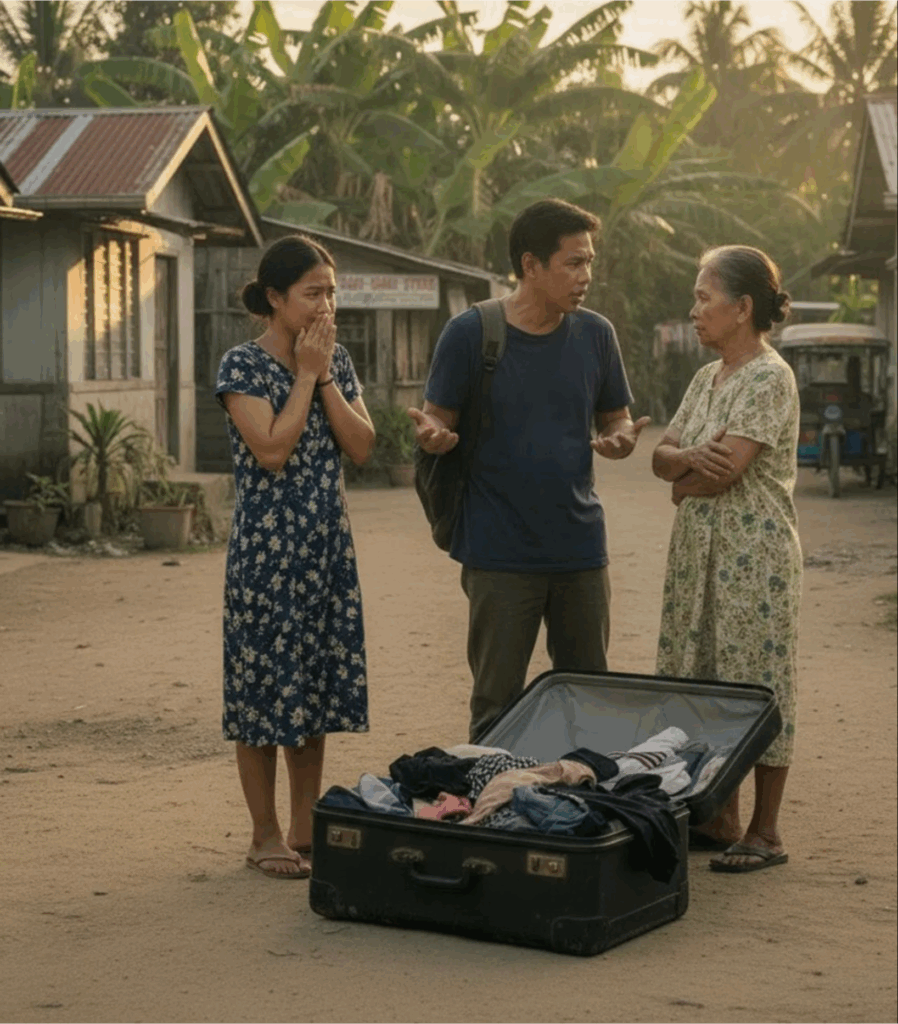
— “Don’t take it personally, Marinichka, but Larissa needs it more,” the words were written in my mother-in-law’s neat handwriting on the back of an electricity bill. The paper was wedged into the narrow gap between the gate and the post, pale and deliberate, as if placed there so I couldn’t possibly miss it.
I stood there staring.
In my hands were heavy bags of varietal hydrangeas—cool, damp, smelling of peat and soil. The scent clung to them like they still belonged to the place they were meant for.
Above the note hung a new lock.
Shiny. Brazen. Expensive-looking in a way that wasn’t about protection, but ownership. My old lock—the little “crab” one I used to oil every spring with my own hands—lay in the dust. Cut clean through with a grinder.
For a second, something inside me short-circuited. Like an old television set cutting to white noise.
“Galina Petrovna…” I whispered into the empty air, “you shouldn’t have done this.”
I had warned them.
If it came to cruelty, I would take everything I brought here. Every last nail.
From behind the neighbor’s fence, movement.
Nyura appeared, always with her teacup, always half-curious, half-amused by other people’s lives.
“Marin, is that you?” she asked. “What happened?”
“They changed the lock,” I said quietly.
Nyura sipped her tea and looked at the gate.
“Yesterday there was a whole parade here. Galina Petrovna, Larissa, her husband. They were walking around like they already owned the place. Larissa kept touching your patio furniture, saying, ‘It’ll be so nice here in summer.’ And her mother kept saying, ‘Everything’s ready, just move in.’”
My hands suddenly felt чужими—foreign.
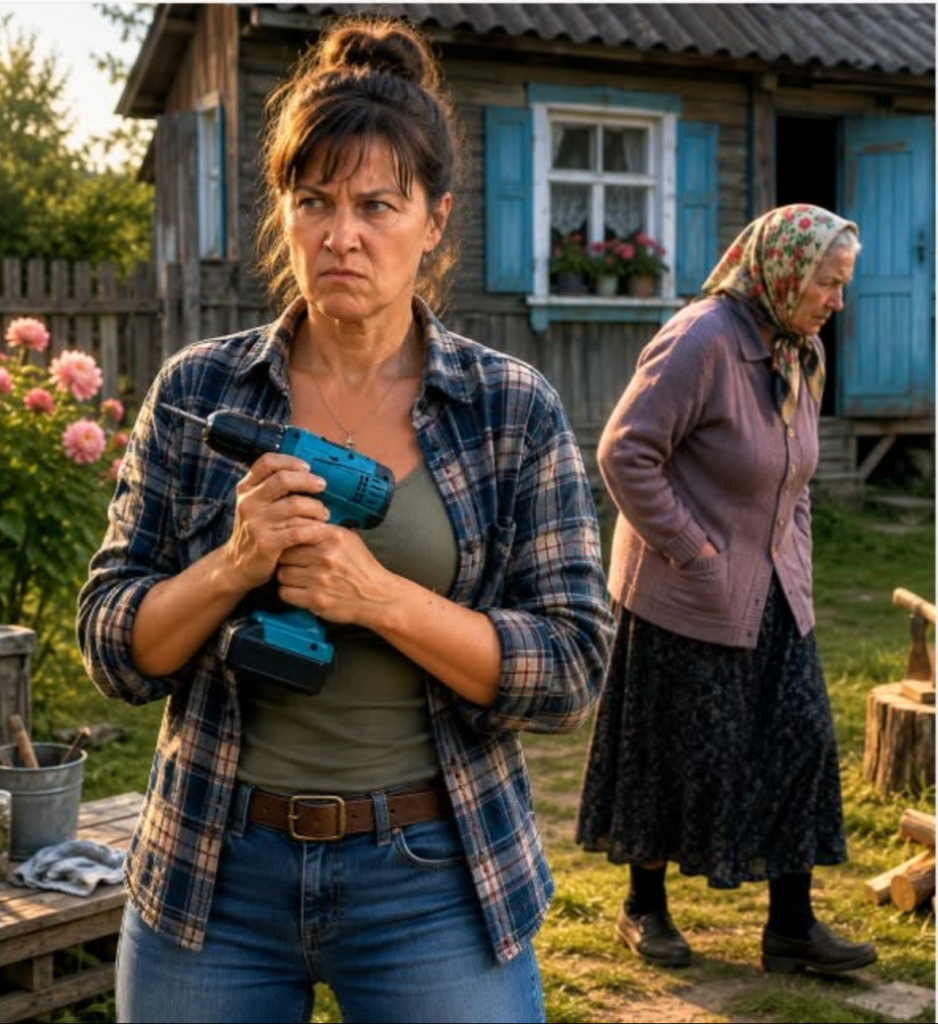
On my right index finger was a thick callus from pruning shears. Dirt under my nails that no manicure had erased for months.
Ten years.
Ten years of building this place with every bonus, every extra shift, every sacrifice I told myself was temporary.
Greenhouse. Irrigation system. German pump. Soil. Seedlings. Repairs. Upgrades. Constant work.
And now a note that said: *Larissa needs it more.*
I got into the car and called my mother-in-law.
The ringing went on too long. Then she answered, her voice sweet, almost theatrical.
“Hello, Marinichka? Are you at the dacha? Oh… I forgot to tell you…”
My stomach tightened.
“What is this note on the gate? And why is there a new lock?”
A sigh. Deep, practiced.
“You understand, dear… Larissa has financial difficulties. The plot is in my name, you know that. I had to help. We sold it to her. Symbolically, really. It’s already in her name legally. You’ve always been so kind, Marinichka. We are family.”
The word *family* hit like a slap.
“Family?” I said slowly. “I built this place for ten years.”
Her tone hardened.
“It is my property according to documents. I have every right. Your things will be moved to the garage.”
The line went dead.
The engine ticked as it cooled.
I sat there listening to it fade.
Then one clear thought formed:
Fine.
If Larissa “needs it more,” she can have it. But only what is truly hers.
An hour later the truck arrived.
Two men stepped out, tired eyes, no questions asked. They’d seen this kind of story before.
“What are we doing here, ma’am?” one asked.
“We’re taking back what I brought,” I said calmly. “I have receipts for everything.”
And we began.
The screwdriver buzzed through the silence. Metal groaned. Plastic snapped. Silicone sealant peeled away like skin.
The door came out first, reluctant, then obedient.
Then the windows—expensive, insulated, carefully chosen—frame by frame, memory by memory.
“This is serious,” one of the men muttered.
“This is precise,” I replied.
At the greenhouse, the bolts resisted. Rust had fused everything together. For a moment, even they hesitated.
“Leave it,” one said.
“No,” I said.
And we continued.
By midday, sweat soaked my back. Dust rose from the ground like the earth itself was protesting.
The garden was disappearing.
Shrubs were dug up. Hydrangeas carefully wrapped. The pump was pulled from the well with a final reluctant sound, like a breath being taken away.
“This is too much,” one of the men said again.
“It’s mine,” I answered.
And we kept going.
By late afternoon, there was nothing left that resembled life.
Only empty structures.
A hollow outline of what used to be a home.
I held a knife I had used for cutting roots and walked into the shed.
Inside, on a dusty shelf, stood the only thing I hadn’t touched: an old enamel teapot. Chipped. Faded. Somehow still dignified.
I took it outside and placed it in the center of the bare ground.
Then I stuck a thorny thistle beside it.
“This is all that remains,” I whispered.
The driver nodded.
“Where to?”
“To the city. To storage.”
Later, the phone exploded.
Screaming. Accusations. Panic.
“You stole the house!” Larissa screamed.
“I didn’t steal anything,” I said calmly. “I took what I paid for.”
My ex-husband called next.
“This is too much…”
“That was too much,” I said, “when you took what was mine.”
Silence.
I hung up.
A month later, I sat on my city balcony.
The hydrangeas were alive in pots, thriving as if nothing had been lost. As if they had simply moved with me.
The garden stayed behind—empty, stripped, unfamiliar. A place that no longer recognized itself.
And I was here.
With coffee. With quiet. With something steady returning inside me.
Because in the end, you don’t lose a garden like that.
You only move it.
And what you built with your own hands doesn’t disappear.
It follows you.