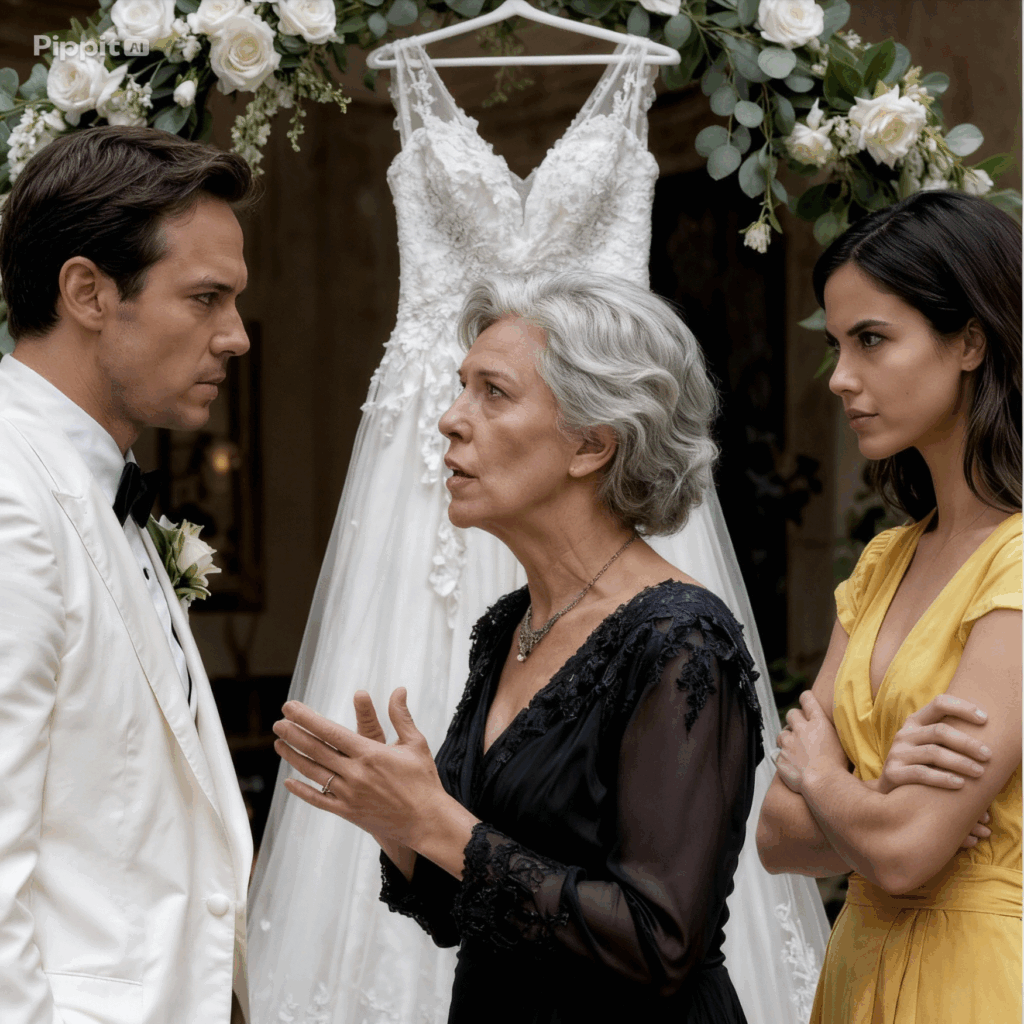
When my child said that this Christmas I was no longer part of their plans, I didn’t argue. I didn’t question, I didn’t cling to their words, I didn’t try to salvage what was already slipping from my hands. I simply smiled.
I wore that quiet, familiar smile that mothers put on when they know: speaking now won’t bring anyone closer—it will only push them further away. I nodded, wished them a happy holiday, and as they continued speaking calmly, politely, something inside me silently cracked.
It wasn’t drama. There were no tears, no sharp pangs of pain. It felt more like the moment when a hairline crack appears on glass—barely noticeable, yet you know exactly that from this moment on, nothing will ever be the same.
They told me that this year it would just be them. Their small family. They wanted peace. And I understood. Not just the words spoken, but everything left unsaid. I knew this wasn’t about a single Christmas—it was a long, slow distancing that had begun years ago. And still, I said nothing.
Mothers often don’t remain silent because they have nothing to say, but because they have too much.
As I left, memories followed me like shadows. The bills I paid in their place when it was “just a temporary difficulty.” The sofa we chose together because I wanted them to feel at home in their new life. Those “small amounts” that were never really small.
The automatic “of course,” “don’t worry,” “we’ll handle it.” Everything I called love, while I slowly stepped back, shrinking, fading.I never counted. I never demanded. I just gave—and in doing so, I lost myself.
The city was drowning in Christmas lights. Behind windows, warm dinners, laughter, people clinging together. Decorations sparkled as if happiness were endless and available to everyone—except me.
The soft melodies on the radio that once comforted me now reminded me of something lost, something I couldn’t name, only feel. I told myself: this is life. Children grow up, leave, find new centers.
But when I entered the empty apartment, the silence didn’t let me go. It was heavy. Dense. Tangible.I didn’t cry. I didn’t call anyone. I didn’t run away. I sat at the table, opened my laptop, and confronted everything I had been avoiding for months:
numbers, dates, statements. The marks of years. It wasn’t just money—it was time, attention, presence, postponed desires. That’s when I realized the love I gave had slowly become expectation. Not out of malice, but because it was always there. Like air. Invisible. Natural.
And I was so afraid of the day I wouldn’t be needed that I nearly lost myself entirely.That evening, I made a decision. Not out of anger. Not out of resentment. Out of exhaustion. Pure, quiet exhaustion. I would no longer give more than I could bear.
I didn’t announce it. I didn’t explain. I didn’t justify myself. I simply stopped. No more sending money. No more offering solutions. I stopped holding other people’s lives in my hands. Not because I didn’t love, but because for the first time, I didn’t abandon myself.
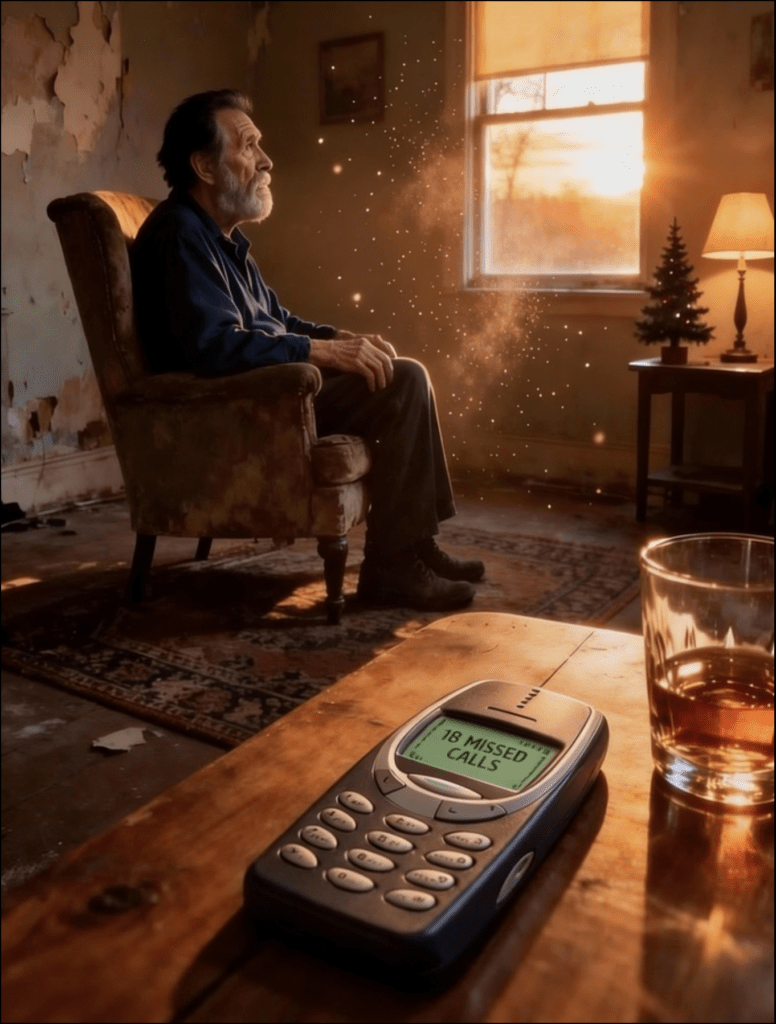
Two days later, my phone nearly caught fire. Call after call, messages, missed calls again and again. Their name echoed silently across the screen. At first confusion. Then irritation. Finally, fear.
When I answered, their voice was different. Not firm. Not confident. Fragile.“Mom, are you okay?”They didn’t ask why I had stopped helping. They only cared whether I was alright.
We talked. We didn’t argue. We didn’t blame each other. We said what we had been avoiding for far too long. They apologized—awkwardly, but sincerely. I told them that I had believed for too long that the cost of love was self-destruction.
That I had been afraid of what would remain of me if I no longer held everyone else’s world together.They listened. They didn’t defend themselves. And for the first time, I didn’t need to prove that I was important. I knew.
After that, the silence changed. At first it was empty, then gradually it became space. I started cooking for myself again. Sleeping through the nights. Noticing the morning light on the wall, the sound of water boiling,
the rhythm of my own breath. Small things—but finally, they had a place inside me.Meanwhile, my child stumbled along. Called less often. Made mistakes. Handled some things on their own. Learned. And I allowed it.
In spring we met. They looked tired, but stronger. During lunch, they suddenly said they couldn’t comprehend how much I had done for them. They had assumed it all just happened by itself. I only nodded. That’s how choices disappear from view.
By summer, everything became lighter. I walked, I read, I talked. I wasn’t busy—I simply existed.
In December, they called. Invited me. Not out of obligation. Not out of habit. Christmas was calm and real. I proved nothing. I accomplished nothing. I simply was there.
Returning home, the lights no longer signaled someone else’s celebration—they reflected a life that had finally made room for me too. And then I understood: sometimes the greatest turning point is not born from what we add, but from the moment we finally stop disappearing—and we remain.