He Left His Wife One Month After the Wedding Because They “Didn’t Belong Together” — Thirty Years Later, He Met Her Again on a Train
They did not argue.
There were no tearful scenes.
No slamming doors, accusations, or desperate pleas.
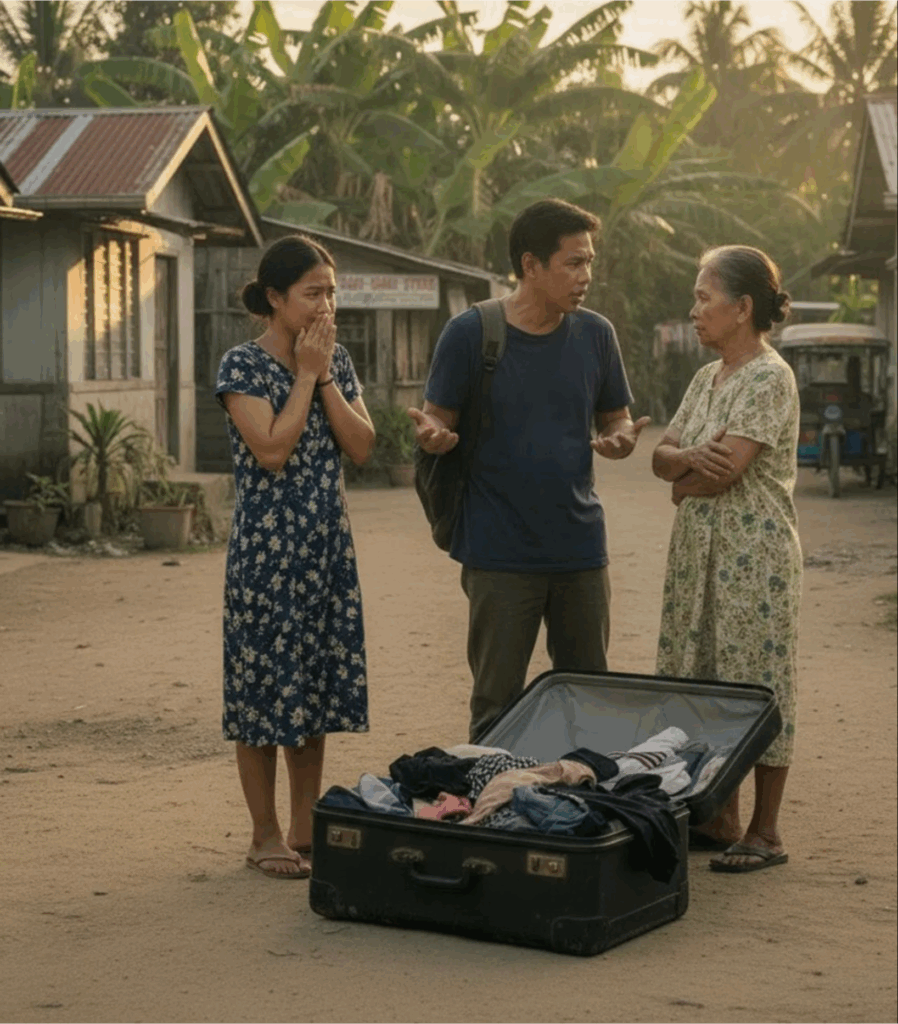
One morning, he simply packed his suitcase and left a short note on the table:
“Forgive me. This is for the best.”
Then he left.
He returned to the city. To the life he had stepped away from for only one short summer — the life he now wanted to return to forever.
The girl’s name was Valentina.
She came from a distant northern village, from a land where the river made enormous bends before disappearing into the endless taiga. She was a simple girl, like a wildflower in a field.
She spoke softly, with a gentle northern accent. She laughed loudly and sincerely. She was embarrassed by her hands — rough from work, with short nails, hands that did not resemble those of city women.
But Viktor did not look at her hands then.
He looked at her eyes.
Those clear blue eyes, filled with a sincerity he rarely saw in the city.
And that sincerity completely captivated him.
Viktor was a twenty-five-year-old young engineer. He came from a good family, and everyone predicted a bright future for him. He had arrived in the countryside for an internship at a forestry company.
He first saw Valentina in the office.
She was sitting at a desk, filling out papers, so focused that she even stuck out the tip of her tongue while working.
Viktor fell in love at that very moment.
The love was fast and stormy.
June. July.
White nights, fog over the river, dew-covered grass in the mornings.
Viktor told her words that made her dizzy with happiness.
Valentina believed him.
She believed him with all her heart.
The way only an eighteen-year-old can believe.
Their wedding was simple. It was held at the village council building, with a few witnesses and several bottles of sweet wine.
Valentina spent the entire night sewing her dress.
It was white, decorated with lace, with a slightly uneven hem.
Viktor wore a light-colored shirt, and at that time he still looked at her with love.
Back then, everything was real.
It just did not last long.
Because after a few weeks, Viktor woke up from the dream.
He saw the old wooden house.
The stove.
The washbasin.
He saw Valentina kneeling on the floor, washing it. Her wet hair stuck to her forehead, and her hands were red from the cold water.
He saw their simple meal:
potatoes, bread, milk.
He saw Valentina’s parents — elderly people in padded coats, speaking with a mixture of Russian and Komi words.
And suddenly he understood:
**This was not his life.**
It was a foreign world.
A mistake.
Valentina was too simple.
Too rural.
Too different from him.
And Viktor left.
The city welcomed him back.
With noise. With lights. With opportunities.
He quickly forgot Valentina.
Or rather: he forced himself to forget her.
He buried himself in work. Built a career. He never became world-famous, but he became a successful man.
Later, he divorced Valentina.
He married again.
And then again.
First, he married the daughter of a high-ranking official. After five years, they quietly divorced.
Later, he married a young, beautiful, ambitious woman.
That marriage lasted three years.
No children were born from either marriage.
Why?
Even he did not know.
Maybe he did not want them.
Maybe he searched for happiness in the wrong places.
Maybe something inside him had already broken thirty years earlier, when he closed the door of that wooden house behind him.
By the age of fifty-five, Viktor was alone.
His apartment was beautiful, but cold.
The furniture was expensive, but nothing in it told a story about him.
His work no longer brought him joy; it was only a habit.
His friends had disappeared from his life.
Some had died.
Some had moved away.
Some simply stopped calling.
And one day Viktor realized:
no one was waiting for him to come home.
Loneliness arrived slowly.
Like water silently seeping beneath the foundation of a house.
At first, he did not notice.
Then he did.
When, on weekends, he had no one to tell his stories to.
When, on his birthday, only an old colleague called him — by mistake.
When he saw in the mirror a tired, aging man who had no one to pass his memories on to.
And then he began thinking of Valentina again.
Not often.
Only sometimes.
In a dream.
When he heard an old melody.
In a moment when he suddenly saw the young girl with blue eyes standing before him.
And he heard her voice:
“Vitya, where are you going? Will you come back soon?”
He pushed those thoughts away.
He was ashamed of them.
But they always returned.
Meanwhile, Valentina lived her life.
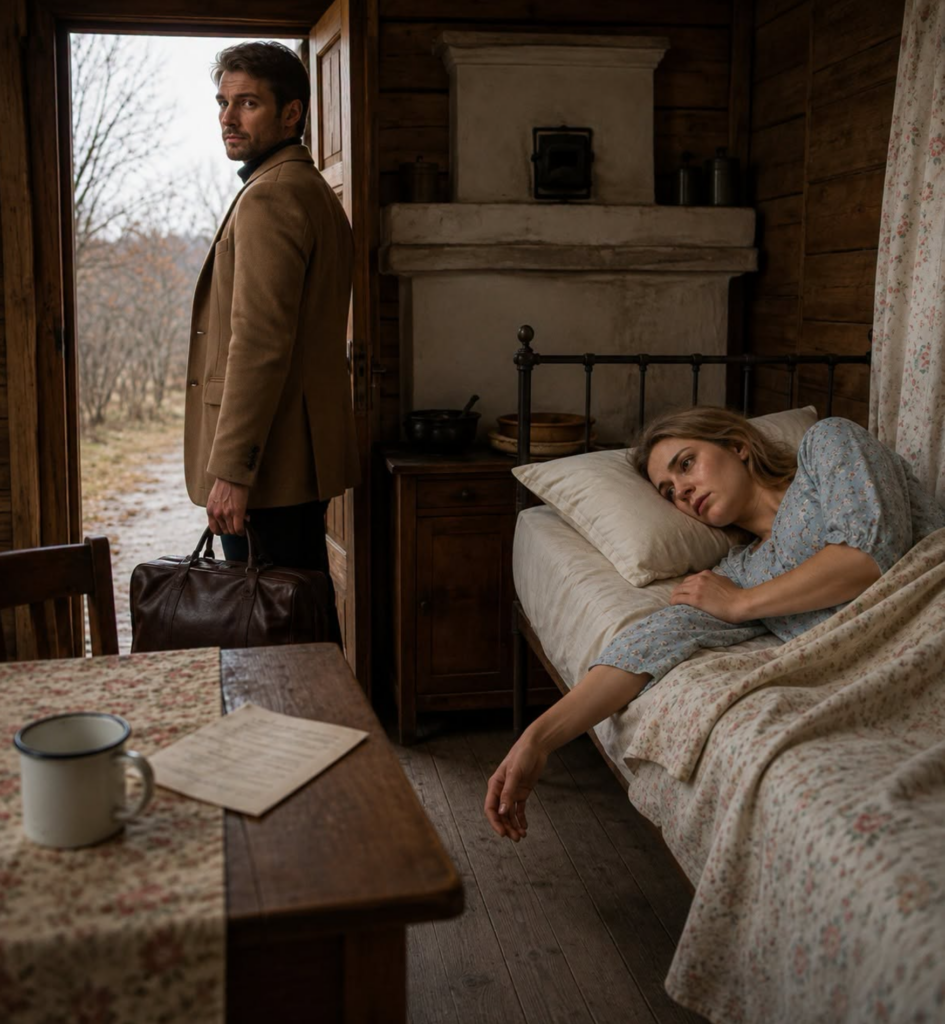
After Viktor left, she spent a week lying in bed, facing the wall.
She did not eat.
She did not drink.
Her mother cried beside her.
And the village whispered:
“The city man abandoned her. He played with her feelings and then threw her away.”
But Valentina got up.
Slowly.
Through the pain.
A year later, she married Ivan, a local widower who had two children.
Ivan did not promise her stars in the sky.
He did not make grand declarations.
He simply held Valentina’s hand with his large, warm palm.
And in that quiet gesture, there was more love than in all of Viktor’s confessions.
They had three children together.
The house filled with laughter.
Children’s voices.
Diapers.
The smell of freshly baked bread.
Valentina worked, became tired, and often had almost no time for herself.
But she was happy.
Truly happy.
The kind of happiness that does not need to prove anything.
Thirty years passed.
Valentina turned fifty.
She sat by the train window, smiling as she watched the forests rushing by.
In her bag were gifts for her grandchildren:
gingerbread,
knitted socks,
dried berries.
She was traveling to help her daughter with the little grandchild.
Her heart was peaceful.
Because she knew:
she had a home.
There were people waiting for her.
There were people who missed her.
The train was old.
Yellow curtains hung by the windows, and the smell of coal filled the air.
Viktor ended up on this train by accident.
His flight had been canceled, so he had no choice but to travel by rail.
He sat by the window, holding a book, but he did not read a single line.
He thought about his life.
About how perhaps he had walked past everything important.
Then, at one station, a woman boarded the train.
She was no longer young.
She wore a simple floral dress, a knitted cardigan, and a light scarf on her head.
She sat across from him.
And Viktor’s heart stopped for a moment.
Those eyes.
That smile.
That laughter.
There was no mistake.
It was Valentina.
Thirty years later, she was sitting right in front of him again.
Alive.
Happy.
But she did not recognize him.
She looked at him politely, like a stranger sitting nearby, then continued her conversation.
Viktor froze.
What could he say?
“Hello, Valya. It’s me. The man who broke your heart?”
No.
She no longer needed that.
Valentina had everything.
He listened as she spoke.
“I have five grandchildren,” she said with a smile. “I’m going to my daughter’s house to help.”
The other passenger smiled.
“Your husband must be a good man.”
Valentina’s eyes lit up.
“He is. A very good man. We have been together for thirty years. We went through many things, but he never hurt me. Not even once.”
Pain tightened in Viktor’s chest.
Thirty years.
And he had remained alone.
When Valentina stood up to get tea, she walked past him.
She accidentally touched his shoulder.
“Sorry,” she said simply.
And continued walking.
Viktor began to cry.
Silently.
Unnoticed.
Because then he finally understood:
It was not money he had been missing from his life.
Not his career.
Not success.
What he had been missing was having someone who needed him.
That night, the train arrived at Valentina’s station.
The woman picked up her bag.
Adjusted her scarf.
Said goodbye:
“Take care!”
She nodded to Viktor as well:
“Goodbye.”
He stood up.
He wanted to follow her.
He wanted to say something.
Anything.
“Forgive me.”
“I was wrong.”
“I will regret this for the rest of my life.”
But why?
Valentina already had a family.
She had a husband.
She had a home.
She had happiness.
The train departed.
And Viktor remained there.
In the darkness.
Listening to the endless rhythm of the wheels.
And only one word echoed inside him:
Too late.
Because life truly is like a train.
You can travel on it.
You can arrive at new stations.
But some moments never return.
And the most painful thing is not losing your past.
It is when your past sits across from you…
smiles at you…
and no longer recognizes you.