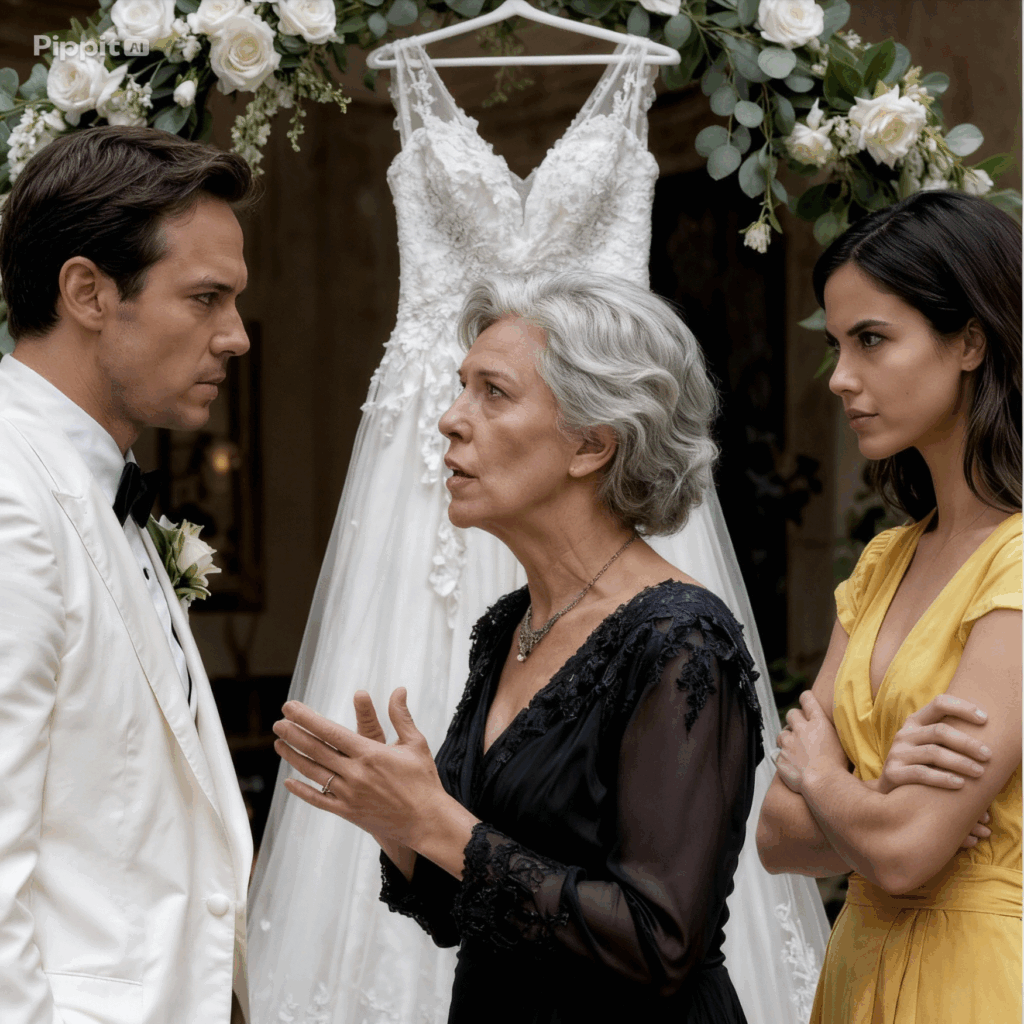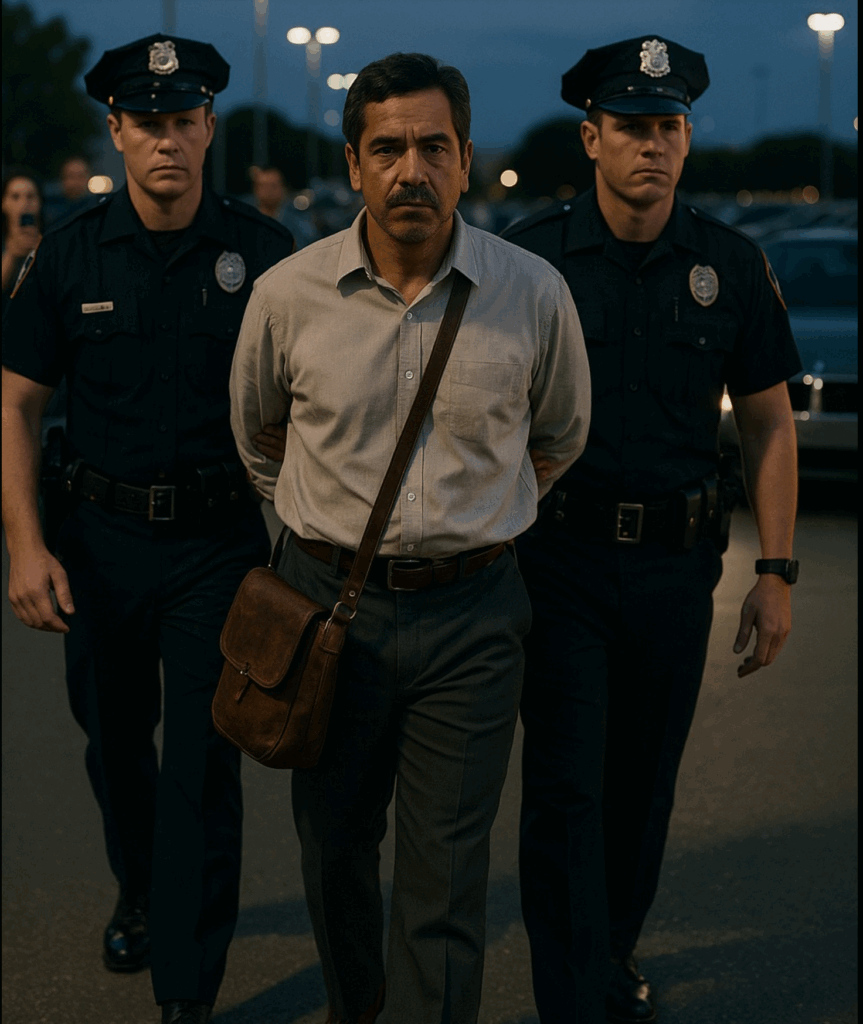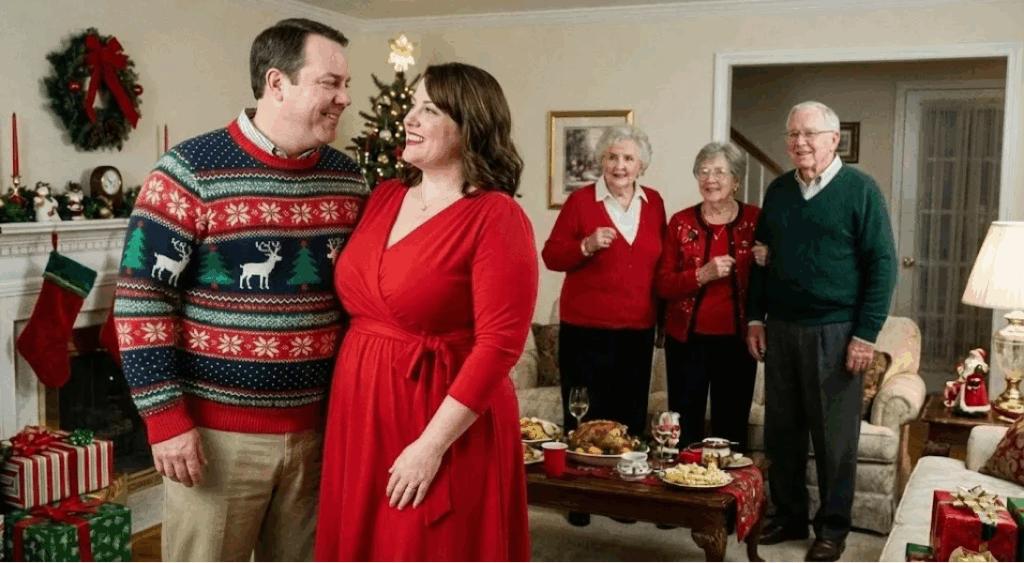
When I was ten, my father, Edward, remarried. His new wife, Lynette, brought her eight-year-old son, Henry, into our home, and just like that, we became a “blended family,” as polite society calls it. On paper, it looked perfect:
two kids, two parents, one picture-perfect suburban household. Inside our walls, though, the story was very different. From the first day, a hierarchy was silently established. I became the responsible, self-sufficient child.
Henry became the one who required constant attention, reassurance, and indulgence.
The pattern took root immediately and persisted with exhausting regularity. At twelve, Henry expressed an interest in guitar lessons; my father signed him up without hesitation. At fourteen, I asked to join the school debate team.
“You’re smart enough to figure it out on your own, son,” he said, dismissing me without a second thought. Henry received new clothes every season; I learned the art of stretching hand-me-downs another year.
When Henry struggled in math, a private tutor arrived at sixty dollars an hour. I taught myself calculus using books borrowed from the public library. Lynette’s favorite refrain: “You’ve always been so self-sufficient, Dorian.”
I didn’t complain. I didn’t throw tantrums. I observed, cataloged, and adapted. By sixteen, I had mastered the art of expecting nothing and preparing for everything. I worked part-time, saved every penny,
and paid my own way through community college before transferring to the University of Washington. Meanwhile, Henry’s college expenses were fully funded—$35,000 ready for him, courtesy of my father’s careful planning. I was left to navigate my education alone.
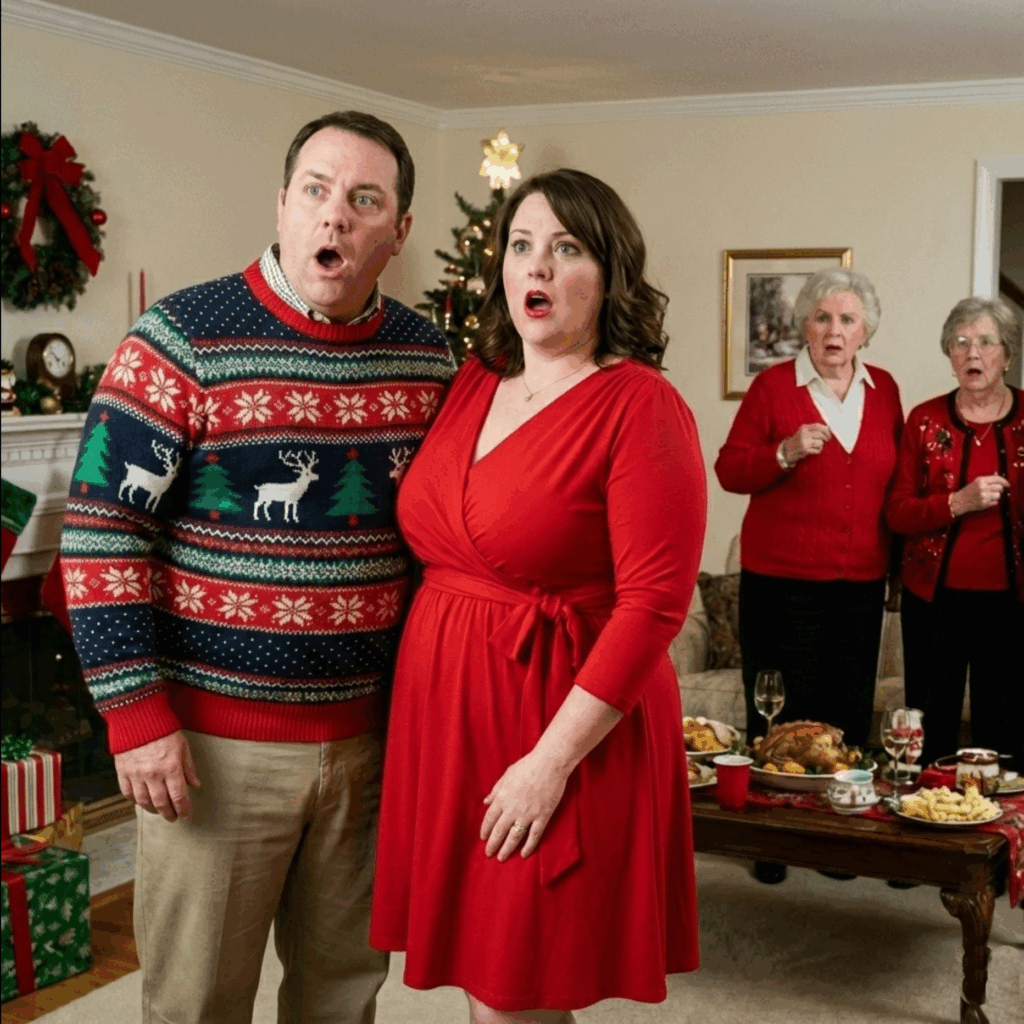
Then came Christmas 2023. I was thirty-two, established in my career as a data analyst, living in my own apartment in Capitol Hill, yet still returning home for the holidays. Henry, now twenty-five and chronically underemployed,
had been dropping hints for months about needing a new car. His old Honda Civic had finally died.
The morning unfolded as always: Lynette’s perfect cinnamon rolls, a flawlessly decorated tree, and presents stacked in neat piles. Henry’s pile was larger than mine, a discrepancy that had stopped bothering me years ago.
I had brought thoughtful gifts: a leather portfolio for Dad, a silk scarf for Lynette, and wireless earbuds for Henry, who complained constantly about noisy neighbors.
Then came the big reveal. Dad and Lynette exchanged that smug, “we know something you don’t” look. “Henry,” Dad said, iPhone ready to record, “check the garage.” Henry’s confusion melted into unadulterated joy
as he rolled up the door to see a brand-new 2024 Honda Civic, fully loaded, with a giant red bow. He cried. Lynette cried. Dad beamed. The gift likely cost twenty-six thousand dollars, and the room was filled with cinematic perfection.
Then it was my turn. Dad handed me a small envelope. “Don’t say we never give you anything, Dorian,” he said with a grin. Inside: a single two-dollar Powerball ticket, with a Post-it note from Lynette: “Maybe you’ll get lucky, huh?” followed by a smiley face.
The room erupted in laughter. Even Henry joined in, wiping tears from his eyes. The joke was clear: responsible, independent me versus baby brother Henry, who received life-changing gifts for Christmas.
I smiled. I even laughed. But inside, something cold settled in—a quiet recognition of the pattern, twenty-two years in the making. I folded the ticket and slipped it into my wallet, mentally filing this moment: car versus lottery ticket, golden child versus afterthought.
Three months later, while cleaning a desk drawer, I found the ticket again. On a whim, I checked the numbers. One matched. Then two. By the third, my hands shook. All six numbers aligned perfectly. December 26th, 2023, Powerball jackpot: $134 million.
For hours, I did nothing but verify, cross-check, and re-check every source. Every single one confirmed the impossible: I had won the largest lottery prize in Washington State history.
I called my lawyer, Jennifer Walsh, a corporate attorney I’d worked with on a freelance project years earlier. Discreet, thorough, and reassuringly expensive, she was exactly what I needed. We set up a blind trust.
By Monday, the Cascade Holdings Trust claimed the prize, leaving me anonymous. After taxes, $72 million was under my control. I invested strategically, kept liquidity, and reorganized my life—not with extravagance, but methodical precision.
My apartment, my 2019 Camry, my freelance work—all remained. To the world, I was still the same Dorian: quiet, reliable, invisible.
Then came the inevitable: family calls. By June, Dad, Lynette, and Henry began probing. Henry was getting married. They were fishing for money. I stayed calm, observed, and let them reveal their intentions.
Two weeks later, Henry called directly, asking for $25,000 for his wedding. A paltry sum relative to my fortune, but irrelevant—it wasn’t about the money. It was about principle. I let him speak, filling the void
with his assumptions before responding with precision. I drafted an email, chronological and devastating: a detailed account of every disparity, every favoritism, every missed opportunity. Guitar lessons for Henry, debate denial for me.
Full college funding for Henry, student loans for me. A car for Henry, a joke lottery ticket for me. Then came the reveal: the lottery ticket had won $134 million. After taxes, I now controlled $72 million.
I ended the email with crystal clarity: no contribution. Henry’s wedding was his responsibility, just as my education, career, and financial planning were mine. The decision was final. For verification, I attached PDFs of the winning ticket and official lottery documentation.
The response was predictable: shock, pleas, and manipulation. Dad left voicemails ranging from stunned—“Dorian, we need to talk immediately”—to pleading—“Son, there’s been a misunderstanding”—to near threats:
“This is family. Family doesn’t abandon family.” Lynette texted emotional appeals. Henry cycled through denial, anger, and bargaining, even starting a GoFundMe campaign that raised $1,247. I didn’t respond. I watched, fascinated by patterns repeating themselves.
By February 2025, Henry and Sarah had a small wedding: fifty guests, potluck, intimate. I wasn’t invited—and it didn’t matter. I had bought a house in Portland, started the Thatch Foundation for overlooked children from blended families,
and begun a relationship with Jennifer Walsh. My life became measured, intentional, and purposeful.
Months later, Henry sent an email—not asking for money, only acknowledgment. Recognition of the disparities, of my silent endurance, and of the assumptions they had made. I haven’t responded. Some apologies demand nothing.
Others require reflection. This one sits somewhere in between. Two dollars had taught me more than $134 million ever could. Justice doesn’t always come as revenge. Sometimes it comes as boundaries.
Sometimes it comes as building something new rather than repairing what’s broken. And sometimes, it’s simply watching people finally understand the consequences of their own choices.