How to Remove Toilet Limescale Easily Without Hours of Scrubbing
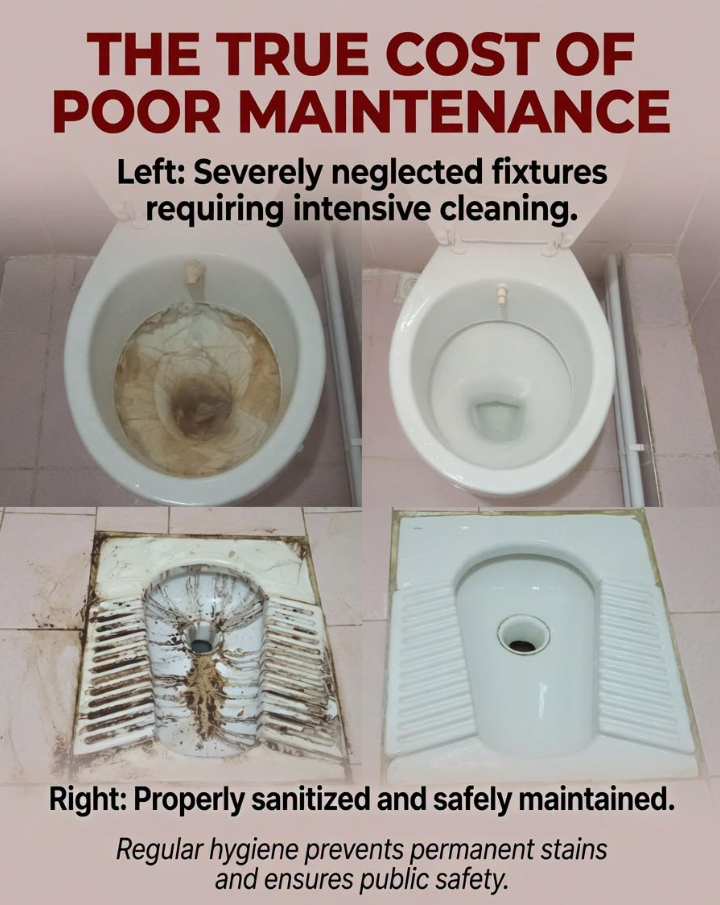
Have you ever cleaned your toilet, only to notice ugly white or brown stains coming back a few days later? That stubborn buildup is usually caused by limescale — minerals left behind by hard water that slowly stick to the surface of your toilet bowl.
For many people, removing limescale feels like an exhausting chore. Scrubbing for hours, using strong chemicals, and still seeing stains remain can be incredibly frustrating.
But there is good news: you don’t need expensive cleaners or harsh bleach to get your toilet sparkling clean. Simple natural ingredients can help dissolve limescale and make cleaning much easier.
The key is to act before the buildup becomes too thick. Regular cleaning prevents limescale from becoming a serious problem, but if your toilet is already covered with stubborn deposits, these easy methods can help.
Baking Soda and Citric Acid: A Powerful Natural Solution
One of the easiest ways to fight limescale is by combining baking soda and citric acid. Baking soda helps remove residue, while citric acid works to break down mineral deposits.
You will need:
- 2 tablespoons of baking soda
- 1 tablespoon of citric acid
- A few drops of tea tree essential oil (optional)
How to use it:
1. Mix the baking soda and citric acid in a small bowl.
2. Add a few drops of tea tree oil if you want a fresh smell.
3. Pour the mixture into the toilet bowl, focusing on areas with limescale.
4. Leave it to work for 20 minutes to 1 hour.
5. Flush the toilet.
You should notice that the stains become much easier to remove. This natural mixture helps clean the bowl while leaving behind a fresher scent.
White Vinegar: The Old-Fashioned Cleaning Trick
White vinegar is one of the most popular natural cleaning solutions, and for good reason. Its acidity helps dissolve limescale while also reducing unpleasant odors.
For light or medium buildup, try this method:
1. Mix one part white vinegar with two parts hot water.
2. Pour the solution into a spray bottle.
3. Spray it around the inside of the toilet bowl.
4. Let it sit for 2–3 hours.
5. Gently scrub with a toilet brush.
6. Flush the toilet.
If your toilet has bad odors, sprinkle some baking soda into the bowl afterward. Leave it for a few hours or overnight, then flush. It will help absorb smells and leave your toilet feeling fresh.
A Simple Step That Makes Cleaning Work Better
Before applying any cleaning solution, try removing some of the water from the toilet bowl first.
Why? Because when the bowl contains less water, the cleaning ingredients can directly reach the limescale instead of becoming diluted. This allows them to work more effectively.
For Very Thick and Stubborn Limescale
Sometimes limescale has been building up for a long time and becomes hard like stone. In this case, you may need a little extra help.
A fine sandpaper can carefully remove stubborn deposits:
1. Choose a gentle, fine-grit sandpaper.
2. Lightly rub the affected areas.
3. Remove the loosened buildup.
4. Follow with white vinegar or the baking soda and citric acid method.
5. Flush the toilet well.
Remember to be gentle. Scrubbing too aggressively can scratch the porcelain surface.
How to Prevent Limescale From Returning
The easiest way to deal with limescale is to stop it from building up in the first place.
A quick toilet cleaning once or twice a week can prevent mineral deposits from becoming difficult stains. Regular maintenance takes only a few minutes but saves you from hours of hard work later.
A clean, fresh toilet doesn’t require expensive products or endless scrubbing. With simple natural ingredients, a little patience, and a regular cleaning routine, you can keep your bathroom looking spotless and free from stubborn limescale.