“Mom Has Her Pension, She’ll Manage Somehow” — When Her Children Stopped Helping, She Stopped Being Their Free Babysitter
“Mom, you understand how things are for us right now,” Igor said without looking up from his phone. “We’ve got a mortgage, a car loan, and Dani’s soccer classes. Money is tight. You have a stable pension coming in every month. You’ll manage somehow.”
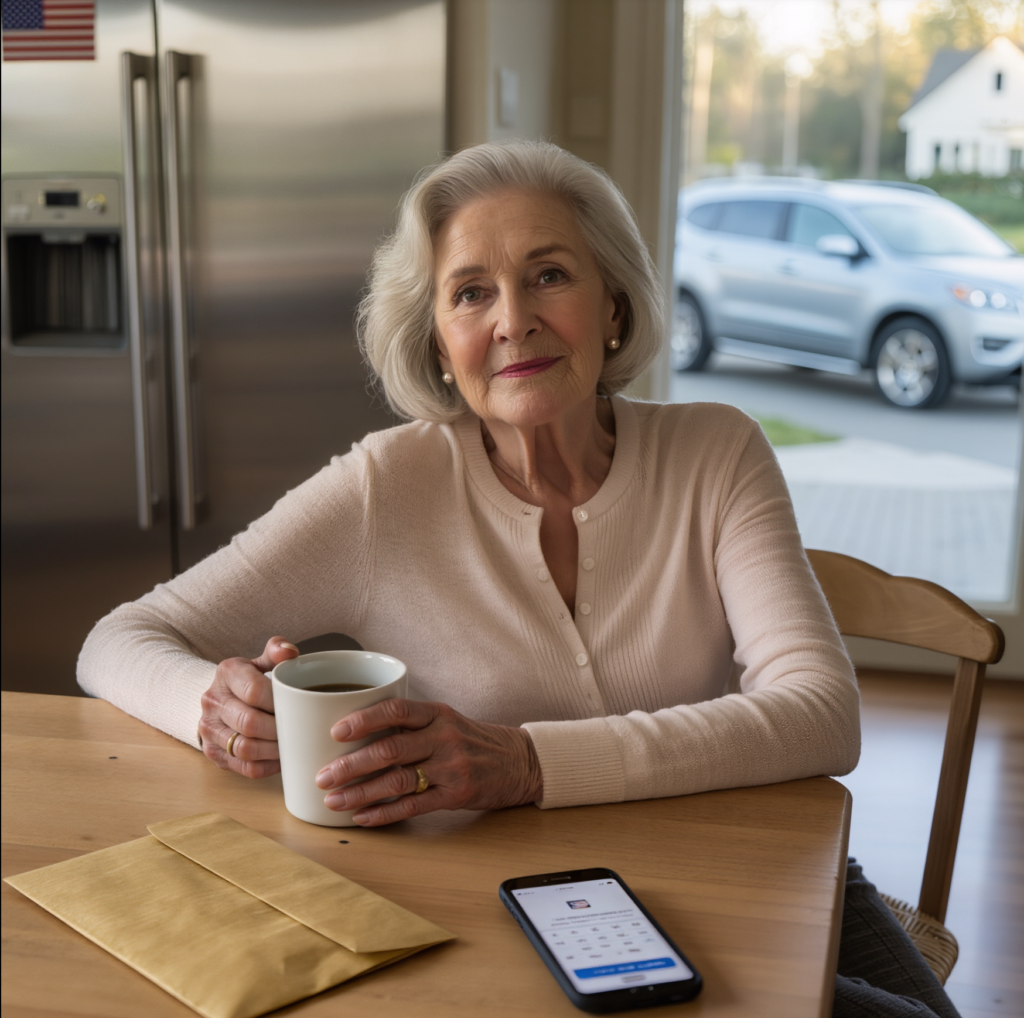
Nina stood by the stove, slowly stirring a pot of soup. She had invited her son over for lunch because she wanted to ask for a small favor. Her doctor had prescribed a new medication for her blood pressure, and the monthly cost was nearly two thousand rubles.
“Igor, could you help me pay for my medicine this month?” she asked quietly.
“Can’t you buy a cheaper version? There must be an alternative. Ask the pharmacist.”
Nina nodded and said nothing more.
After lunch, Igor kissed her on the forehead, thanked her for the meal, and left. The apartment fell silent again.
She sat at the kitchen table for a long time, staring out the window.
Nina had two children. Igor, thirty-eight, was married and had a seven-year-old son named Dani. Her daughter Larisa, thirty-four, was raising four-year-old twins with her husband.
Both children were doing well financially. They owned apartments, drove decent cars, and went on vacations every year.
Just a few weeks earlier, Larisa had proudly posted a picture of her new fur coat in the family chat.
“Feeling like a queen!” she had written.
Meanwhile, Nina was sitting at home wondering whether she could afford both groceries and medicine before the end of the month.
It hadn’t always been this way.
After her husband left when Larisa was only two years old, Nina had raised both children alone. She worked at a garment factory during the day and took sewing jobs at home at night. Most nights she slept no more than five hours.
She denied herself everything so her children could have what they needed.
They never went hungry.
They never lacked school supplies.
They always had warm clothes in winter.
When they became adults, they helped her at first. They brought groceries, paid for medications, and occasionally gave her money for household expenses.
But over time, the help slowly disappeared.
First, they skipped a month.
Then two.
Eventually, they stopped offering altogether.
The only thing that remained constant was the grandchildren.
Every weekend.
Sometimes during the week as well.
“Mom, could you watch the twins on Saturday?” Larisa would ask.
“Mom, can Dani stay with you tonight? We’re going out,” Igor would say.
And Nina always agreed.
She adored her grandchildren.
But she was no longer young.
Her knees hurt.
Her back ached.
Her blood pressure was unpredictable.
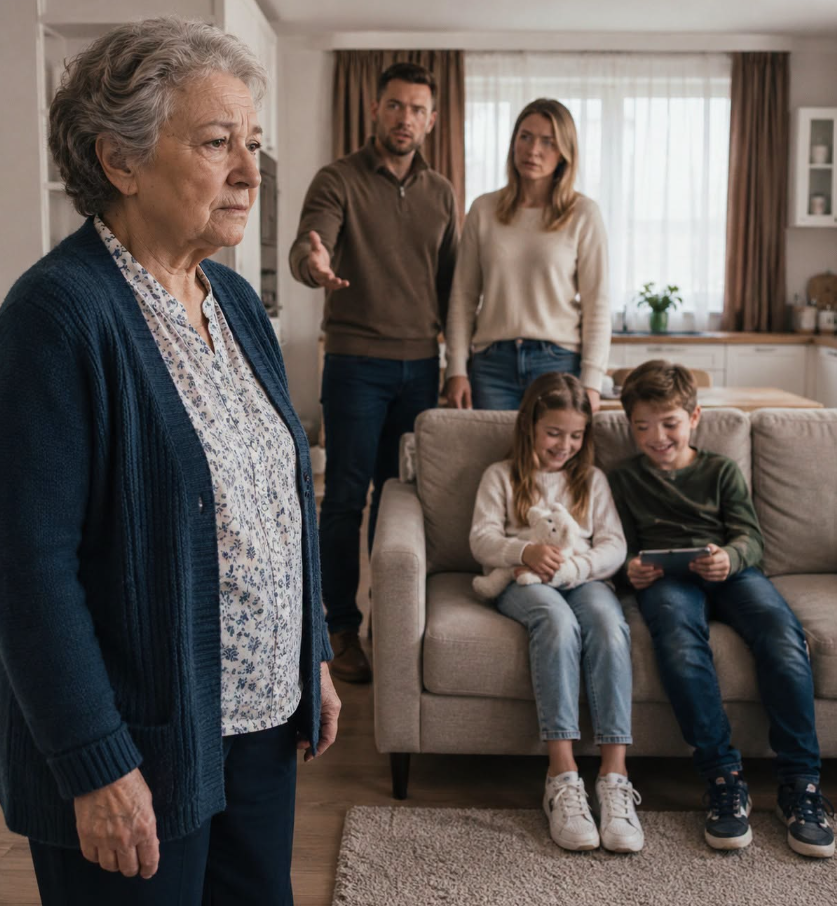
After spending an entire day chasing energetic children around, she often needed two days to recover.
Still, she never complained.
Everything changed one afternoon at the pharmacy.
She handed over her prescription and listened as the pharmacist announced the total.
After paying for the medicine, she opened her wallet.
There was barely enough money left to last until her next pension payment.
Five days.
Five long days.
Nina walked outside and sat on a bench near her apartment building.
Children were playing on the nearby playground.
And for the first time, she allowed herself to think something she had been avoiding for months.
Her children were using her.
Not intentionally.
Not maliciously.
They had simply grown accustomed to the idea that Mom was always available.
Always willing.
Always free.
A free babysitter.
A free cook.
A free helper.
And while they assumed her pension was enough, they never stopped to ask how she was actually managing.
The following Saturday, Larisa called.
“We’ll bring the twins over in about an hour!”
“Not today, sweetheart,” Nina replied.
There was a stunned silence.
“What do you mean, not today?”
“I need to rest.”
“But we already made plans!”
“I understand. I have plans too.”
“What plans?”
“My own.”
Larisa hung up, clearly upset.
Twenty minutes later, Igor called.
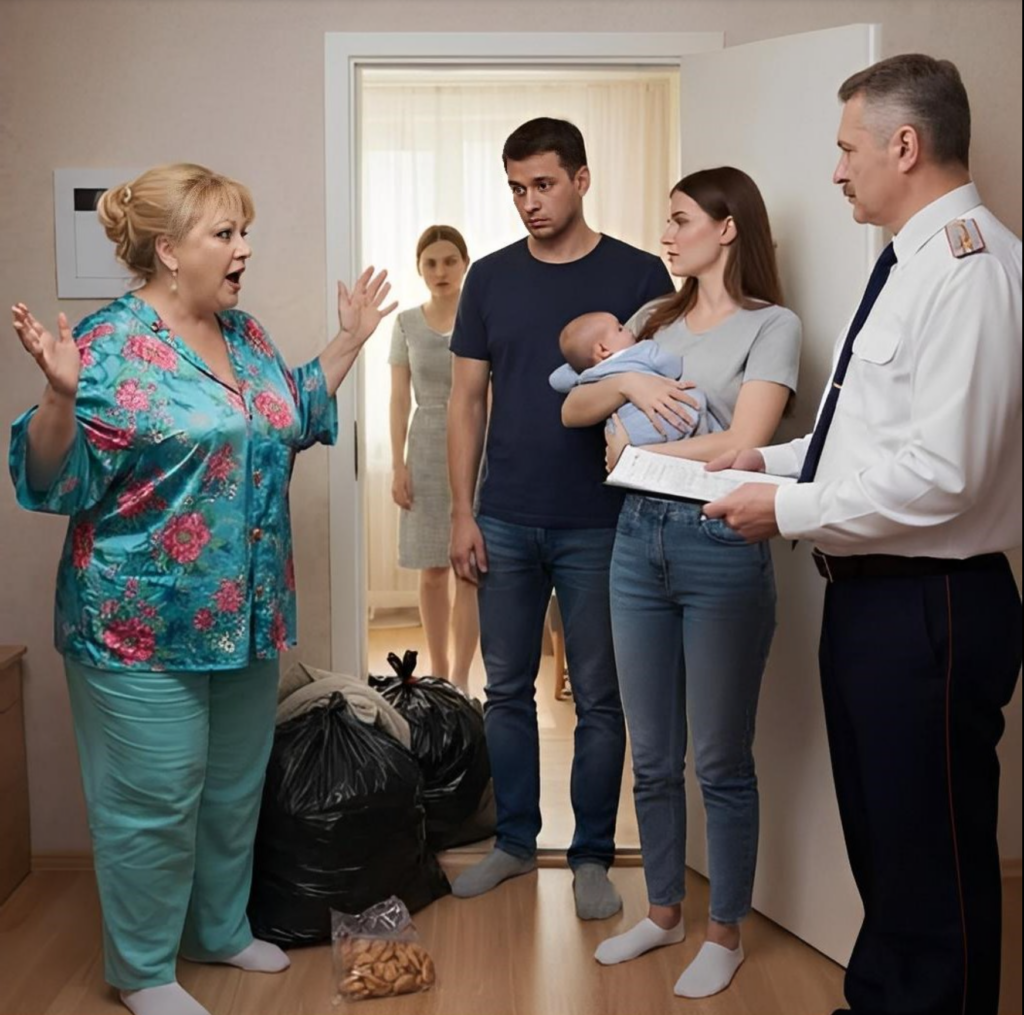
“Larisa says you won’t watch the kids.”
“That’s right.”
“Are you sick?”
“No. I’m tired.”
“Tired from what? You’re retired, Mom. You stay home all day.”
The words hit her harder than she expected.
You stay home all day.
As if she did nothing.
As if pain, loneliness, and constant financial stress didn’t count.
For the first time in years, Nina decided not to stay silent.
“Igor, how much do you think a babysitter would cost for an entire day?”
“I don’t know. Quite a bit, I guess.”
“And I do it for free. I feed the children, entertain them, clean up after them, and pay for everything out of my own pocket. Meanwhile, I struggle to afford my medicine.”
The line went quiet.
Finally, Igor spoke.
“I didn’t realize things were that bad.”
“That’s because you never asked.”
For the next week, neither of her children called.
Surprisingly, Nina found herself enjoying the peace.
She went for walks.
She joined a handicrafts club at the local library.
She met new people and made friends.
For the first time in years, she felt like more than just a mother and grandmother.
Ten days later, Larisa appeared at her door carrying two large bags of groceries.
Her eyes were red from crying.
“Mom,” she said softly, “I’m ashamed of myself.”
She explained that she had told her husband about their conversation.
His response had shaken her.
“He said, ‘Your mother lives on her tiny pension while we spend nearly the same amount on one dinner out. Aren’t you embarrassed?’”
Larisa looked down.
“And I was embarrassed. Truly embarrassed.”
She and Igor had spoken.
They finally understood what they had failed to see.
“We’re going to help every month from now on,” Larisa said. “Not because you asked. Because it’s our responsibility.”
That evening, Igor called too.
“Mom, I transferred some money to your account.”
“Thank you, sweetheart.”
There was a pause.
Then he quietly added:
“I’m sorry.”
Nina closed her eyes.
It was not easy for him to say those words.
That made them mean even more.
The following Saturday, the entire family gathered at her apartment.
Not to leave children behind.
Not to ask for favors.
Just to spend time together.
They ordered pizza, laughed, shared stories, and enjoyed each other’s company.
Little Ksusha sat beside her grandmother drawing pictures.
When she finished, she proudly held one up.
It showed a cozy house with the entire family inside.
And standing near the front door was Grandma Nina, smiling in a pair of brand-new slippers.
“That’s you, Grandma,” Ksusha said.
Nina laughed.
The next day, she went to the store and bought herself a warm, comfortable pair of slippers.
Not because she had suddenly become wealthy.
But because her children had finally remembered something they should never have forgotten:
Their mother was not a service.
She was not a babysitter.
She was not a convenience.
She was a person.
And after spending a lifetime caring for everyone else, she deserved to be cared for too.