At 3:17 a.m., the ICU lights don’t feel like light anymore. They feel like judgment.
That’s where I found my parents again.
Not because they wanted me.
Because my sister was dying—and I was the only match.
They didn’t cry when I walked out of their house at sixteen.
They didn’t cry when they erased me for ten years.
They cried only when they needed something I had inside my bones.
I was sixteen the last time I had a family.
Thanksgiving, South Boston. A pale blue house. A perfect Catholic table. Twelve relatives. Prayers before dinner. Silence after disagreement.
My father believed authority was sacred. My mother believed obedience was love. My older sister Claire was the golden child—successful, admired, untouchable.
And I was the cautionary tale waiting to happen.
Then came the moment that ended everything.
Claire found a sealed box of Plan B in my purse.
She held it up at the top of the stairs like evidence in a courtroom.
And in front of everyone, she said, shaking:
“What did you do?”
I didn’t understand.
I didn’t even know what I was accused of.
But it didn’t matter.
Within minutes, my father had decided I was a disgrace. My mother couldn’t speak. Claire cried in the exact way that made her believable.
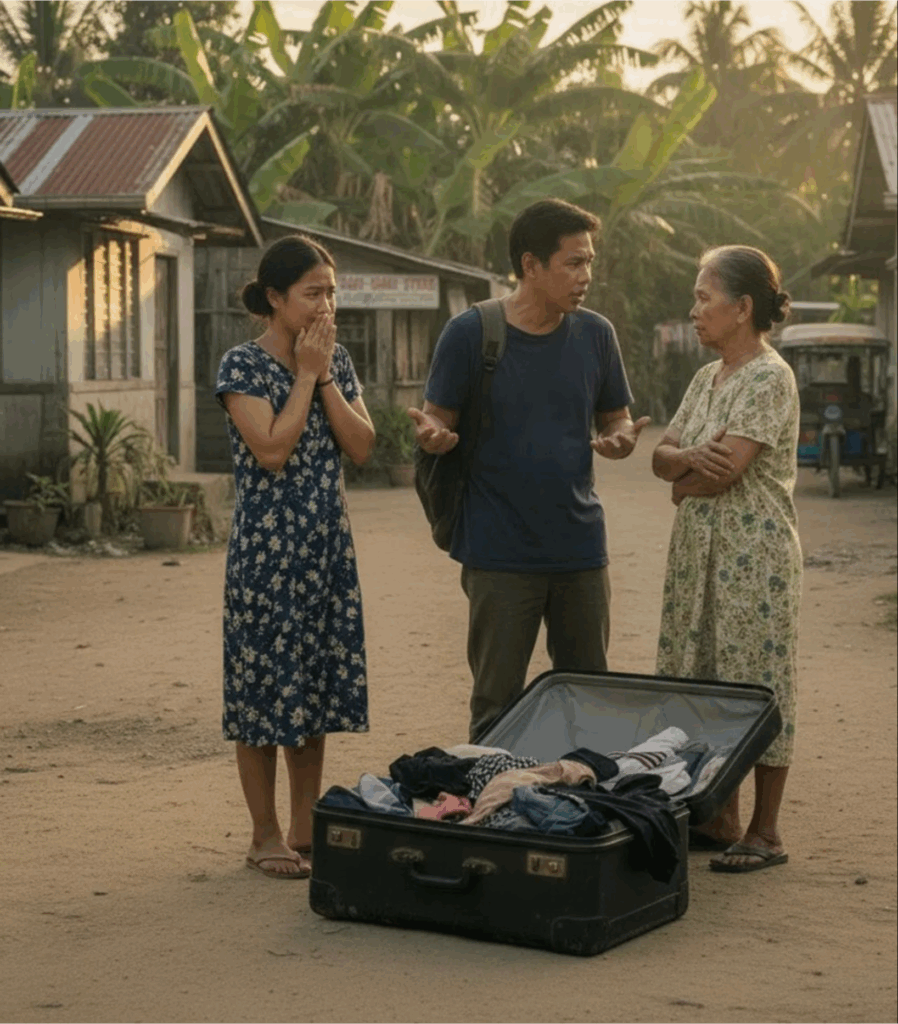
And I was given twenty minutes to pack my life into a trash bag.
“You are not my daughter,” my father said.
And then I was gone.
I slept in my car for forty-seven nights.
Boston winter doesn’t care if you’re sixteen.
I went to school anyway. Showered in gym bathrooms. Ate when I could. Saved $340 for a future I wasn’t sure I’d live to see.
No one called. No one checked.
I was erased so cleanly it felt planned.
Later I learned the truth:
Claire had bought the Plan B herself.
And she had put it in my bag because she was afraid of what our parents would think of her.
So she let them destroy me instead.
I still went to college.
Still became a pharmacist.
Still built a life out of nothing but discipline and silence.
Northeastern PharmD. 3.92 GPA. Scholarships. Research in reproductive health.
I specialized in the exact medication my father once used to define my “sin.”
I didn’t choose irony.
It just followed me.
Ten years passed.
No calls. No letters answered. Forty-seven returned envelopes. Eight hundred ninety-two blocked calls.
My family didn’t disappear.
They just kept rejecting proof that I still existed.
Claire got married. My parents stayed proud. My name became a rumor in church hallways.
And I learned how to survive without becoming anyone’s daughter.
Then the call came.
Massachusetts General Hospital.
Emergency contact listed: Claire.
Diagnosis: chronic myeloid leukemia.
Condition critical.
She needed a bone marrow match.
She needed me.
I almost laughed when I heard it.
Of course.
Of course the only time I mattered again… was when I could save her life.
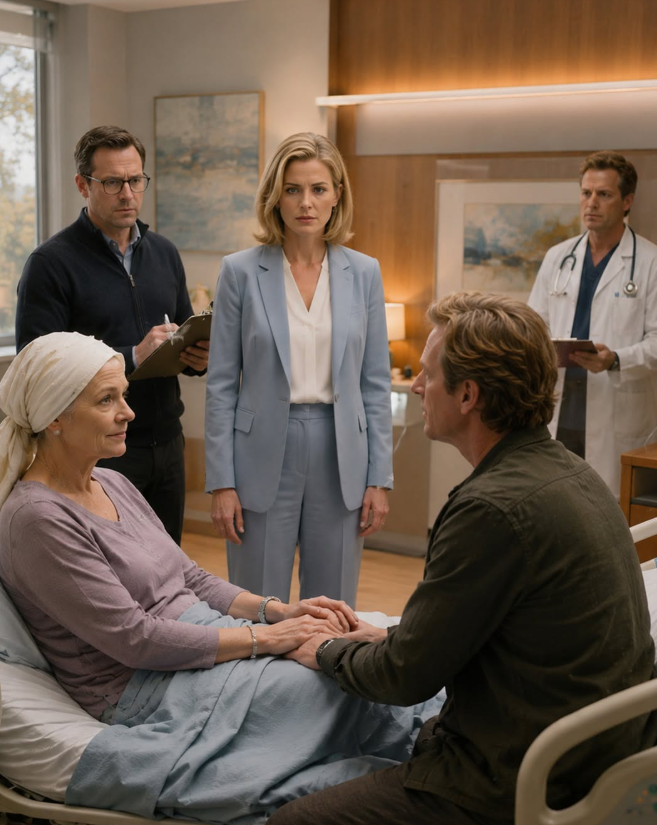
When I walked into the ICU, they didn’t recognize me at first.
Not the woman in a white coat.
Not the pharmacist.
Not the stranger standing between them and hope.
Then my mother whispered my name like it was a ghost.
And everything came rushing back.
Claire was in the bed—bald, yellowed, barely there.
And still alive enough to cry when she saw me.
I didn’t cry.
I checked her chart instead.
Because that was easier than remembering who she used to be to me.
I was a perfect match.
Ten out of ten.
The doctors said it like it was fate.
My parents called it a miracle.
I called it biology.
They asked me to save her.
I said I would think about it.
Because for the first time in my life, I had power over the people who once threw me away.
At 3:17 a.m., I went back to her room.
She was barely conscious.
Machines kept her louder than her voice did.
Then she woke up and looked at me.
And said the words that broke everything again.
“I need to tell you the truth.”
My parents rushed in.
And Claire confessed.
The Plan B wasn’t mine.
It never was.
It was hers.
She had been hiding something.
She was afraid.
So she let me become the sacrifice.
My mother made a sound I had never heard before—like grief finally finding its source.
My father couldn’t even stand.
And I just listened.
Not because I forgave her.
But because I finally understood the shape of my own exile.
I still donated the marrow.
Not for them.
Not for Claire.
But because I refused to become someone who let a dying patient become collateral.
That was the only version of me I trusted anymore.
Six hours of surgery.
Pain I won’t romanticize.
A slow recovery alone.
And somewhere during that time, my body saved the sister who once destroyed my life.
Afterward, I set terms.
Not emotional ones.
Structural ones.
No reconciliation without accountability. No forgiveness without truth made public. No rewriting history into something softer than it was.
They had spent ten years deciding my story.
Now I finally got to define the ending.
Claire survived.
Remission came slowly.
My parents tried to come back into my life in pieces—emails, apologies, therapy sessions, donations, tears.
But grief doesn’t automatically become repair.
And blood doesn’t automatically become family again.
Months later, Claire texted me.
“I’m ready to write my letter.”
I didn’t say no.
I didn’t say yes.
I just said:
“I’ll read it when it exists. That’s all.”
And turned my phone off.
Now I live alone.
Plants on the windowsill. Books on the shelf. A locked door I choose for myself.
I work in oncology pharmacy. I help people survive things that used to destroy them.
Sometimes I see families in waiting rooms that look like mine once did.
I don’t flinch anymore.
I just hope they never learn what it feels like to be erased.
People like to call this a story about forgiveness.
It isn’t.
It’s a story about what happens when someone survives the place that tried to erase her—and doesn’t ask permission to become whole again.
They took ten years.
But they didn’t take me.
And that is the only ending I kept.