ECB Faces Inflation Challenge as Philip Lane Says Price Growth Can Return to 2% Within a Year
The European Central Bank (ECB) believes the euro zone is experiencing a medium-sized inflation shock that requires careful policy action but does not currently justify aggressive emergency measures, ECB Chief Economist Philip Lane said on Friday.
Lane’s comments came after the ECB’s latest Governing Council meeting, where policymakers decided to leave interest rates unchanged while signaling that further tightening may still be needed if inflation pressures continue. Investors and economists are increasingly expecting the central bank to raise rates again, with many market participants betting on a possible rate increase as early as September.
Speaking during a public discussion in Donegal, Ireland, Lane said the ECB remains confident that inflation can gradually return to its target level. He explained that the central bank’s objective is to bring inflation down from its current level of around 3% back to the ECB’s 2% target over the next year or so.
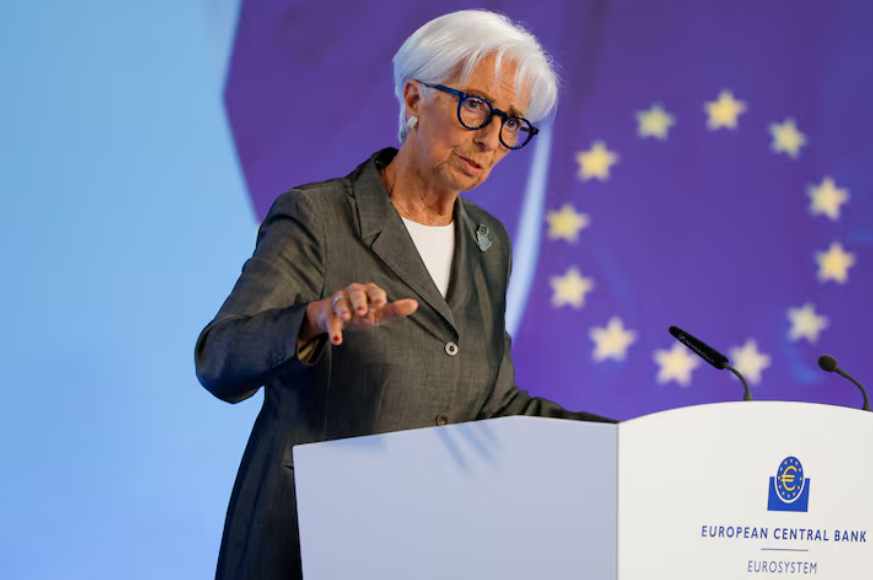
“We will make sure that we guide inflation back from where it is now — 3% — back to 2%, over, let’s say, the next year or so,” Lane said.
The ECB’s approach reflects a delicate balancing act. While policymakers want to prevent inflation from becoming deeply embedded in the economy, they also want to avoid excessive monetary tightening that could weaken economic activity, reduce investment, and put additional pressure on households and businesses.
The current inflation challenge has been largely driven by renewed increases in energy costs, which have raised concerns among policymakers. Lane said the ECB is paying close attention to whether higher energy prices could lead to broader economic effects, particularly through rising wages and additional price increases across different sectors.
These so-called second-round effects occur when businesses respond to higher costs by increasing prices, while workers demand higher wages to compensate for increased living expenses. If this cycle continues, inflation can become more persistent and more difficult for central banks to control.
So far, Lane said the ECB has not observed strong evidence that these secondary effects are taking hold. However, he warned that the risk increases the longer energy prices remain elevated.
The central bank has repeatedly emphasized that temporary increases in energy costs are less concerning than a situation where inflation expectations become permanently higher. If households and companies begin to expect ongoing price increases, inflation can become self-reinforcing, forcing central banks to take stronger action.
Despite these risks, Lane argued that the current situation remains far from the level of urgency seen during the major inflation crisis of 2022, when energy prices surged following Russia’s invasion of Ukraine and inflation reached historically high levels across Europe.
“It’s not for now the kind of red-alert level where you have to move quickly as we did in 2022,” Lane said. He described the current inflation environment as a “medium-sized shock” that requires a measured and carefully calibrated response.
The ECB’s strategy is to adjust monetary policy gradually while closely examining new economic data at each meeting. Lane said policymakers are constantly evaluating whether interest rates are at the right level to ensure inflation continues moving downward and does not become a longer-term problem.
Financial markets, however, remain more cautious than the ECB’s current message might suggest. Investors are pricing in additional rate increases, with expectations for at least two more hikes in the coming months. Market forecasts suggest that further moves could take place by October and again in early 2027.
The possibility of additional rate hikes reflects concerns that inflation may not decline quickly enough without further monetary tightening. Higher interest rates make borrowing more expensive for consumers and companies, which can reduce spending and investment and help slow price growth.
At the same time, the ECB must consider the economic impact of keeping borrowing costs elevated for too long. The euro zone economy has faced weak growth, and prolonged high interest rates could create additional challenges for businesses, housing markets, and consumer confidence.
ECB President Christine Lagarde and other policymakers have repeatedly stressed that future decisions will depend on incoming economic data rather than a fixed path of rate increases. Inflation trends, wage developments, energy markets, and economic growth will all play an important role in determining the ECB’s next steps.
For now, the central bank’s message is clear: inflation is still above the desired level, but the situation remains manageable. The ECB believes it can bring inflation back toward 2% without returning to the aggressive measures used during the 2022 crisis.
However, policymakers remain prepared to act if energy costs create stronger inflation pressures or if price increases become more widespread. The coming months will be crucial as the ECB attempts to achieve price stability while protecting the fragile European economy from unnecessary damage.