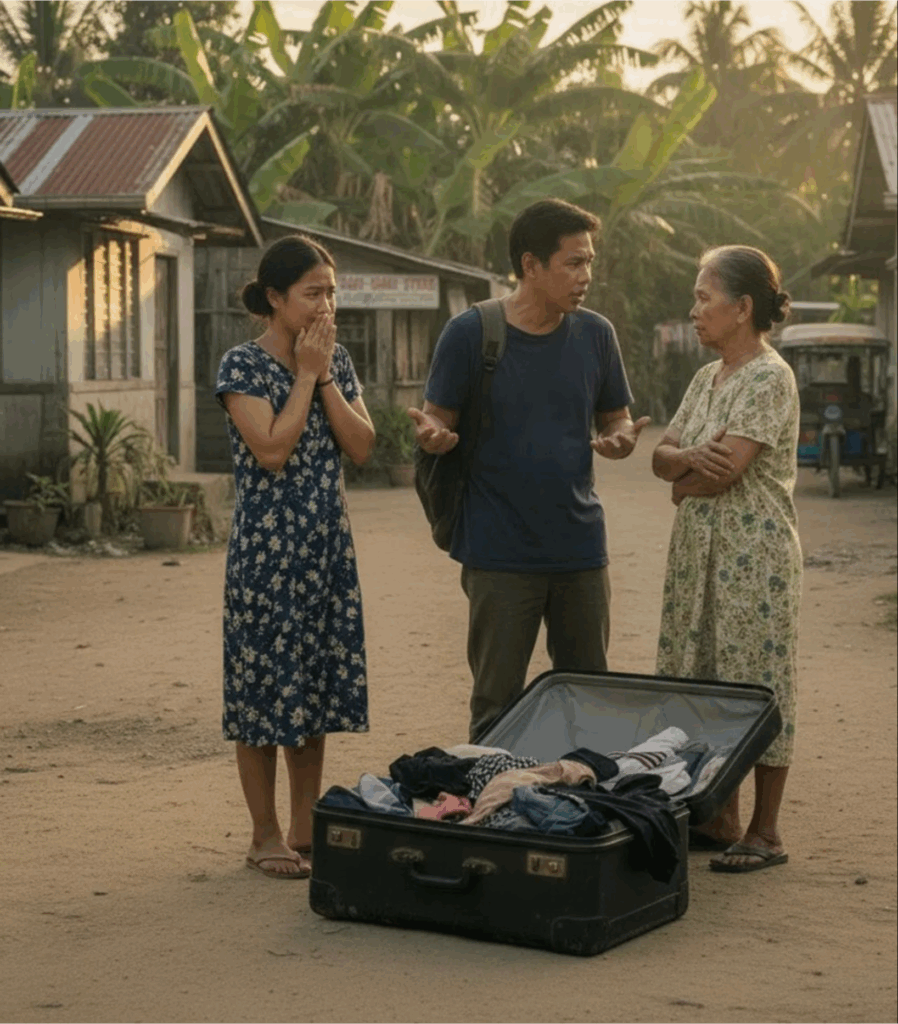
Ludmila stood silently beside the wide living-room window, motionless as a shadow trapped between memory and sorrow. Outside, autumn had wrapped the city in cold gray silence. Rain slid slowly down the glass in silver streams,
twisting into strange patterns before disappearing into the darkness below. The sky hung low and heavy, as though even the heavens were mourning something lost long ago.
Inside the apartment, there was silence too.
Not the peaceful silence of comfort and rest, but a hollow, aching stillness that had slowly settled into every room over the years. Once, Ludmila had loved this quiet home. It had felt warm and safe, filled with shared evenings, soft laughter, and whispered dreams.
But now the silence had become unbearable. It reminded her of everything that was missing — the laughter of children, tiny footsteps racing through the hallway, toys scattered across the floor, bedtime stories, sleepy little voices calling for their mother.
She and Artem had been married for eight years.
Eight long years of hope, doctors, treatments, prayers, and disappointment.
Artem was the kind of man women spoke about with envy — gentle, loyal, patient, and deeply loving. While her friends complained about distant husbands and broken marriages, Artem always hurried home to her.
Sometimes he brought wildflowers gathered on the roadside. Sometimes he needed nothing more than a glance to remind her she was loved.
But at night, when darkness filled the apartment and Artem slept peacefully beside her, Ludmila often buried her face in the pillow and cried silently. The words of the doctors still echoed inside her mind like a sentence she could never escape.
“You may never have children.”
Every treatment had ended the same way.
Hope… then heartbreak.
“One day at a time,” Artem always told her.
But even love could not completely heal emptiness.
That evening, as rain tapped softly against the windows, Artem came up behind her and wrapped his arms around her shoulders.
“What are you thinking about, my little bird?” he asked gently. “Sad thoughts again?”
Ludmila leaned into him, closing her eyes.
“Sometimes the silence feels too loud,” she whispered. “It’s like the apartment keeps reminding me that someone is missing.”
Later that night, her friend Viktoria came to visit.
Viktoria was loud, confident, and brutally honest — the sort of woman who believed emotions should always bow to logic. Over tea and honey cakes, the conversation drifted toward the painful subject that followed Ludmila everywhere.
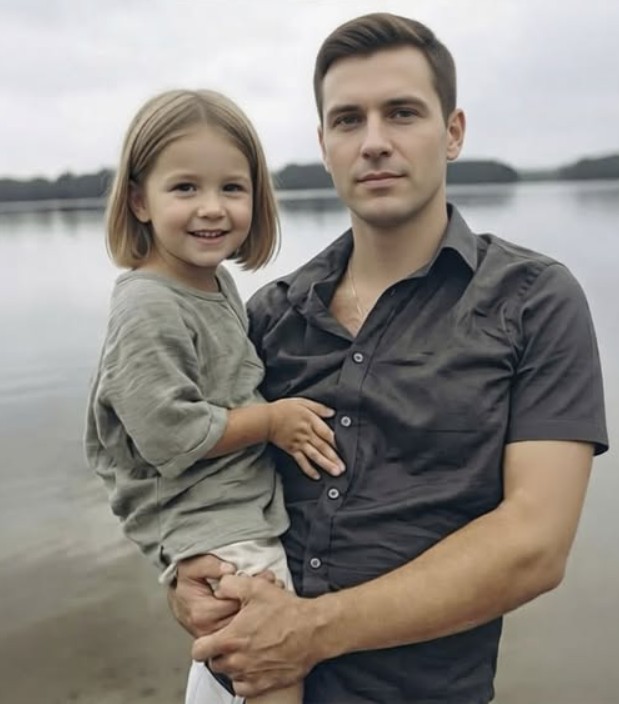
“You two need to think more realistically,” Viktoria said firmly. “Adoption sounds beautiful in stories, but real life is different.”
Ludmila stared quietly into her tea.
“There are children who need families,” she said softly.
“And there are reasons those children ended up abandoned,” Viktoria replied sharply. “You never know what kind of blood runs in them. Trauma leaves scars. Sometimes forever.”
Artem frowned.
“That’s unfair,” he said calmly. “Not every child is doomed.”
“Maybe not,” Viktoria answered. “But many are.”
After she left, heavy silence filled the apartment again.
Artem stood near the fireplace for a long time, staring into the dying embers.
“Maybe she’s partly right,” he admitted quietly. “I’m not afraid for myself, Ludmila. I’m afraid for you. Your heart is too tender. If something went wrong… I don’t know if you could survive it.”
Ludmila wanted to argue, but she saw fear in his eyes — not selfish fear, but love.
So she stayed silent.
The weeks that followed became painfully ordinary. Work. Dinner. Sleep. Endless quiet.
Until one cold autumn afternoon changed everything.
Ludmila was walking through the old park on her way home when she suddenly heard shouting.
Not playful shouting.
Cruel shouting.
Angry voices.
Then crying.
Her heart lurched as she ran toward the sound.
Behind a row of bare trees, two teenage boys were kicking a small figure curled on the wet ground.
“Stop it right now!” Ludmila screamed.
The force in her voice startled even her.
The boys froze, then ran away.
Breathing hard, she dropped to her knees beside the child.
A little girl slowly lifted her head.
Her enormous dark-blue eyes were filled with terror and tears. Dirt streaked her pale cheeks. Her dress was torn, and her knees were scraped raw.
“It’s okay now,” Ludmila whispered gently. “They’re gone.”
The child nodded weakly.
“What’s your name?”
“Sofia,” the girl whispered.
“And where’s your mother?”
Sofia lowered her eyes.
“She died when I was little.”
The words pierced Ludmila’s heart.
That evening became the beginning of something neither of them expected.
Ludmila bought Sofia warm clothes, new shoes, and a beautiful dress with a lace collar. Then they sat together in a cozy café smelling of cinnamon and fresh pastry while Sofia carefully ate hot apple strudel topped with whipped cream.
Ludmila watched her with an ache so deep it frightened her.
It felt as though something frozen inside her was finally beginning to thaw.
But Sofia’s home was heartbreaking.
Her grandmother, Valentina Petrovna, was cold, bitter, and exhausted by life. The apartment smelled of medicine and loneliness.
“That girl is a burden,” the old woman snapped bitterly. “Her father dumped her here and disappeared. I barely survive on my pension.”
“How can you say that?” Ludmila asked in horror. “She’s your granddaughter.”
The old woman only shrugged.
From that day forward, Ludmila and Sofia began meeting secretly. They walked through the park together, collected colorful autumn leaves, read fairy tales at the library, and shared hot chocolate in tiny cafés.
Slowly, Sofia began smiling again.
And with every smile, Ludmila’s broken heart healed a little too.
Eventually, she told Artem everything.
He listened silently.
“She still has family,” he said carefully. “Legally, this is complicated.”
“She has no one,” Ludmila cried. “Please, just meet her once. Look into her eyes.”
The next day, they went together to Sofia’s apartment.
But they were too late.
The grandmother had died two days earlier.
And Sofia’s father had taken her away.
No one knew where.
The months afterward felt endless.
Ludmila searched everywhere. Police offices. Social services. Shelters.
Nothing.
Winter arrived, cold and merciless.
Then one December night, Artem was driving home during a terrible snowstorm. Visibility was nearly gone, so he stopped at a roadside café to wait for the weather to calm.
And there, through the frozen window, he saw a small figure standing outside in the snow.
A child.
She pressed her face against the glass, staring not at the people inside… but at their food.
Artem’s chest tightened painfully.
He gestured for her to come inside.
The girl hesitated before slowly opening the door.
She looked half-frozen. Her oversized boots were torn, her coat hung loosely from her thin frame, and her lips were blue from cold.
“Not her again,” the waitress muttered. “She’s always begging around here.”
The girl immediately stepped backward toward the storm.
“Wait,” Artem said sharply.
He knelt beside her.
“Are you hungry?”
She nodded silently.
While she devoured bowl after bowl of hot soup, Artem spoke to the waitress and learned the truth.
Her father was dead.
Her stepmother had thrown her out.
And her name was Sofia.
A cold shock ran through him.
When he looked closer, he recognized her immediately from the photograph Ludmila kept hidden in her drawer.
“Sofia?” he asked softly.
The girl looked up.
“Do you remember Aunt Ludmila?”
At the sound of the name, something flickered in her exhausted eyes.
“She remembers me?” Sofia whispered.
“Every single day,” Artem answered.
That night, he brought her home.
The snowstorm raged around the car as Sofia slept in the back seat wrapped in his coat and blankets.
When Artem rang the doorbell after midnight, Ludmila opened instantly.
“Artem! I was so worried—”
Then she saw the child in his arms.
“This,” Artem said quietly, his voice trembling, “is our tomorrow. I found her.”
He gently placed Sofia onto the sofa.
The little girl slowly opened her eyes.
“Aunt Ludmila?” she whispered weakly.
Ludmila collapsed to her knees beside her.
“My sweet girl… what did they do to you?”
And then Sofia reached for her and whispered the word Ludmila had dreamed of hearing for years.
“Mom.”
Everything shattered inside her at once — grief, love, relief, pain, joy.
They held each other tightly while tears streamed endlessly down their faces.
Artem knelt beside them, wrapping both of them in his arms.
“It’s over now,” he whispered. “You’re home.”
For the first time in years, the apartment no longer felt empty.
It was alive.
A week later, Ludmila stood trembling in the bathroom, staring at two pink lines on a pregnancy test.
When Artem entered, she could barely speak.
“We’re having a baby.”
For a moment he simply stared at her.
Then he laughed through tears, lifted her into his arms, and spun her around the room.
“It’s a miracle,” he whispered. “Our miracle.”
Life changed after that.
The adoption process went through smoothly thanks to witness testimonies about Sofia’s neglect. Sofia officially became their daughter.
The frightened little girl slowly blossomed into a bright, talented child who loved drawing more than anything in the world.
Months later, their son Gleb was born.
And Sofia adored him from the very first second.
Five years passed.
One warm summer evening, Artem and Ludmila sat together on the terrace of their country house while Sofia taught little Gleb how to fly a homemade kite across the golden sky.
The sunset painted everything in soft amber light.
“You know,” Artem said quietly, holding Ludmila’s hand, “sometimes I think about that night. About what would have happened if I’d kept driving.”
Ludmila rested her head on his shoulder.
“Fate sometimes leads us through darkness,” she whispered. “But if the heart remembers the way to love, it always finds its way home.”
In the garden, Sofia laughed as the colorful kite climbed higher and higher into the evening sky.
Artem and Ludmila looked at one another silently.
And in that silence lived their entire story — pain, loss, fear, hope, and the beautiful certainty that love had rescued them all.
Because in the end, they discovered something greater than the family they had once dreamed about.
They had found each other.
And that became their greatest miracle of all.