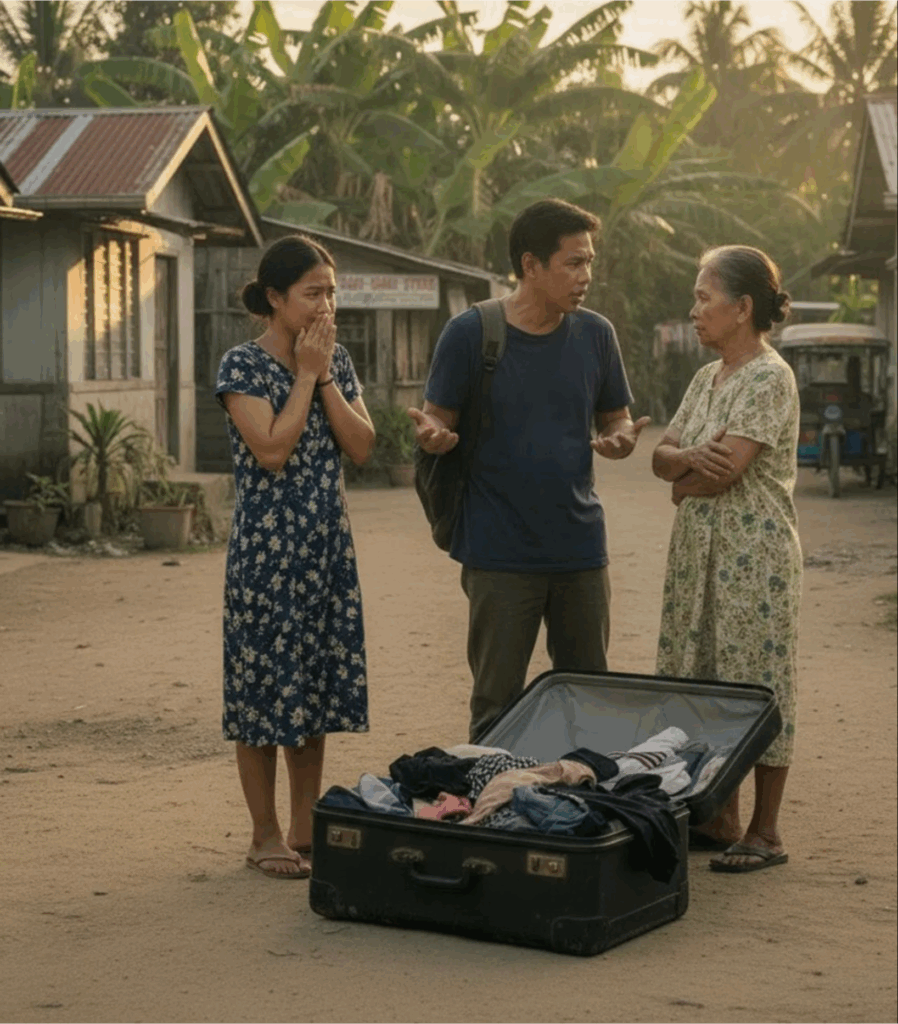
“Katjusa… just for a glance. I’ve never been there. I’m even afraid to say how many years have passed… Please take me with you. I won’t bother you. I’ll just sit quietly in the corner and do crossword puzzles.”
She wasn’t demanding it. There was no whining in her voice, only a strange, almost childlike humility. She stood in front of me, small, shrunken by time, yet her eyes felt heavier than an entire lifetime. As if they carried years of silence that had never been spoken aloud.
Her hands were folded across her chest. Her gaze was fixed on me—steady and trembling at the same time. With every second I held it, something inside me loosened while something else tightened. Pity and irritation tangled together so tightly I couldn’t tell them apart.
Zhenya and I had worked nonstop for this vacation. Six months without rest, without days off, without anything that resembled life. The only thing that kept us going was the idea: the two of us, the sea, wine, silence. A small escape from everything.
And now… her. My mother.
With her habits, her fears, her constant “wear a hat, you’ll burn in the sun,” and her obsession with saving money and things as if disaster was always just around the corner.
“Zhenya… we’re not monsters,” I whispered at night when she was asleep in the next room. “She has no money. When will she see the sea again?”
Zhenya sighed.
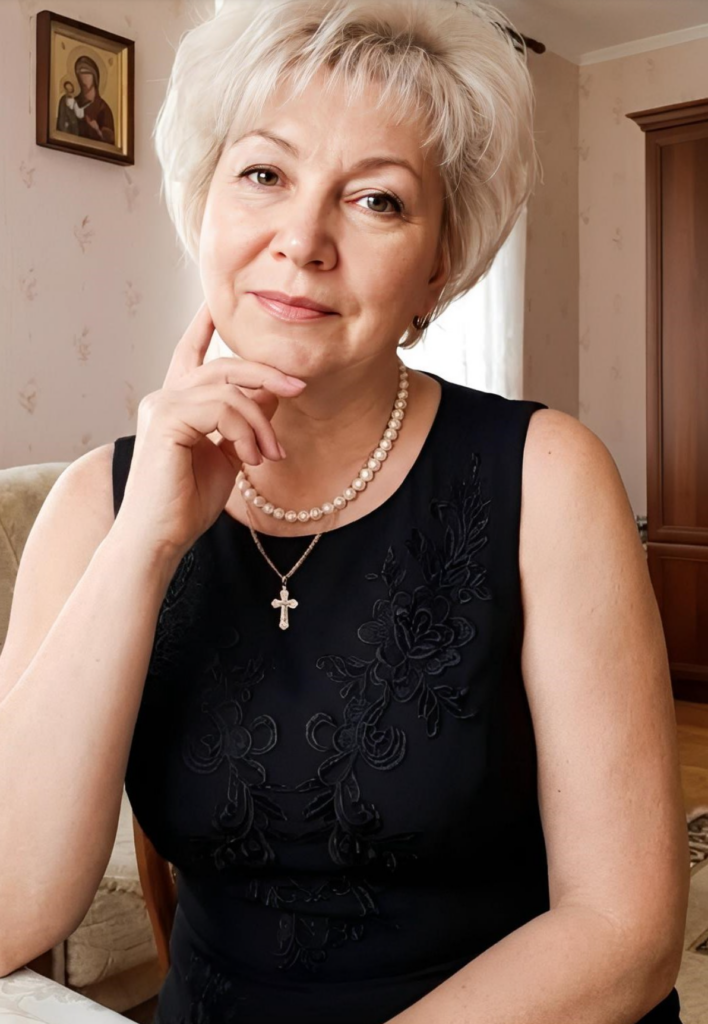
“Katya, this isn’t a vacation. It’s a family survival mission.”
And yet, we gave in.
We booked a larger room—two spaces, not for comfort, but for distance. So we could breathe without constantly hearing each other’s presence.
The trip began before we even left.
My mother wrapped her suitcase in plastic film as if she were protecting it from the entire world.
“It’s new, German-made,” she said proudly.
At the airport she worried about her Corvalol, asking if it was allowed, and pressed boiled eggs into Zhenya’s hands.
“Eat now, they’ll spoil,” she insisted.
Zhenya said nothing. I could feel my patience quietly bending.
At the hotel she counted the towels. When she heard the price, she froze.
“This is… two months of my pension,” she whispered. “I could sleep on the floor.”
Something inside me stung. Not pity. Guilt.
That evening we went to an expensive seaside restaurant. White tablecloths, music, glasses that shimmered. I wanted something beautiful. Something perfect.
My mother arrived in an old dress, smelling of mothballs, carrying a faded cloth bag.
“Mom, leave it in the room,” I said quietly.
“I need it,” she replied simply.
She sat on the edge of the chair as if afraid she didn’t belong there. As if she had accidentally stepped into a life that wasn’t hers.
Zhenya ordered food. I stared at the sea, trying to feel happiness. But her presence made everything feel out of place.
Then she pushed her plate aside.
“I need to show you something,” she said.
She pulled out an old photo album. Heavy, worn, its red velvet cover faded by time. She placed it on the table like something sacred.
She opened it.
A young woman by the sea, laughing. Alive. Both familiar and foreign.
“This is me,” she said. “1979.”
She turned the page. A young man beside her, full of life.
“This is your father.”
The world around me stopped.
“Why now?” I whispered. “Why are you doing this to me?”
“I’m not doing anything to you,” she said. “I’m telling you the truth.”
Then she took out papers—old documents, faded certificates.
“You were sick,” she said. “Very sick. And there was no money.”
Her voice didn’t shake.
“He sold everything. Went north to work to save you.”
I couldn’t breathe.
“And then?”
My mother lowered her gaze.
“He never came back. But he sent money until the end.”
The tears came before I could understand them.
Everything I believed collapsed.
And there, in a foreign restaurant, the sea outside continued to move indifferently while we sat drowning in a truth that had been buried for years.
And for the first time, there were no roles left.
Only people.