They ushered him to the VIP floor with the kind of politeness reserved for those who never knew how to be cruel in private. Staff exchanged glances like men about to watch a comedy sketch, and Noah could feel their eyes on him. Someone’s hand gripped a champagne flute tighter; a small, high laugh rang from a corner.
Children in this world didn’t wander in alone—they were heirs, the progeny of winners, not kids in faded hoodies. “Kid, what exactly are you doing here?” Whitaker, the VIP manager with a suit sharp enough to have its own reputation, peered down at Noah with practiced disdain.
Noah slid the folder across the counter, every movement slow and deliberate, like handling something sacred. “My grandfather opened a savings account when I was born,” he said quietly. “He told me to come here. He… died last week.” The laughter tapered, replaced by the faint hum of distant traffic.
The men’s attention flicked to the boy with solemn eyes. Whitaker’s smirk faltered and became a question: “Which account?” Noah drew a steady breath. “It’s under my mother’s name now,” he said. “He told me to come to you, Mr. Whitaker.” Whitaker’s eyes scanned the documents as if expecting to find pocket change.
Fingers hovering over keys, he typed slowly, hesitant. The room buzzed with the faint, cruel amusement of men used to underestimating a child. “Probably a thousand bucks… maybe twenty,” someone muttered. Then Whitaker’s expression shifted. Silence fell like a held breath.
The screen blinked, blank for a moment as if unsure how to process the truth. Then numbers and documents cascaded, and Whitaker’s normally controlled hands trembled. “I… need to speak with you privately,” he said, the arrogance gone, replaced by a grim weight.

Two managers guided Noah into a side office, dimly lit, with wooden panels the color of old coffee. Mr. Harrison, the senior superintendent, closed the door and took a seat across from him, watchful. Linda Graves arrived, her briefcase tidy, her presence calm and precise.
She opened a wax-sealed envelope and read, each word deliberate, measured, heavy with purpose: “My beloved grandson, if you are reading this, it is because I believed you were strong enough. The life I chose was never simple. I am sorry.
There are three paths you may take…” She explained: immediate control of the fortune with its dangers; protections until twenty-one; or refusal of the inheritance and a return to simplicity. Her voice softened: “Whichever path you choose will shape the man you become.”
Noah’s hand gripped the brass key until it bit into his palm. He was ready to choose the safe option—but then the door slammed open. A man stumbled in, breath ragged, clothes disheveled, hair too long. For a moment, Noah feared an intruder—but then the man’s eyes softened when they met his.
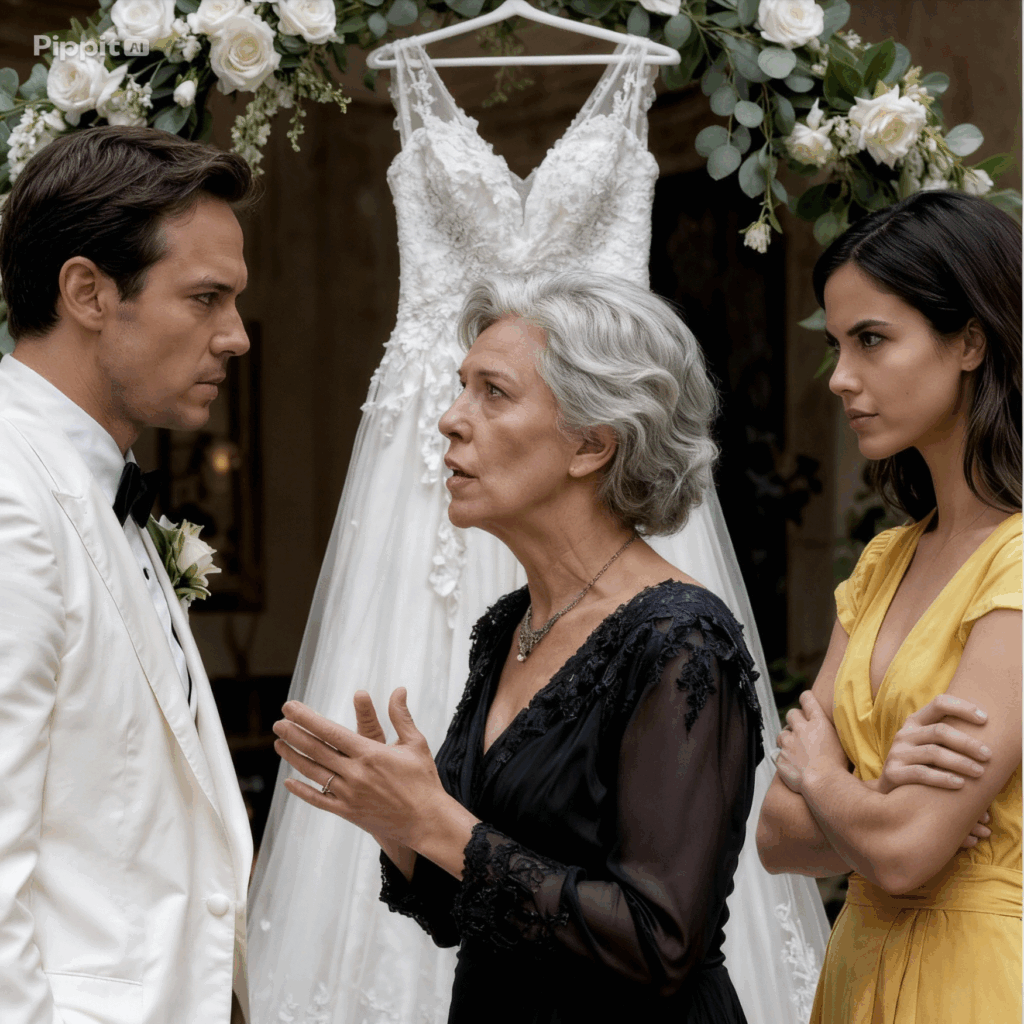
“Don’t look at the screen,” he said, voice urgent. Emily Carter, his mother, rushed in, a storm of tears and fragmented words. “Noah—” The world froze. “Noah,” the man said, the name cutting through memory like a lullaby long forgotten. “I’m your father.”
Noah had imagined absence as something distant—a note, a postcard, a remembered birthday. But the truth was sharper. “Where did you go?” he asked, voice trembling but insistent. “I ran,” Mark Carter said, hands shaking, guilt carved into his face.
“Enemies came after your grandfather… they would have found you. I stayed away to protect you. I kept the promise, even when it nearly killed me.” Noah’s fingers closed around the brass key. “What do they want?” “The account,” Mr. Harrison whispered.
“Whoever knows about it will want control.” Linda Graves’s voice was calm but firm. “These people are not charities. They’re powerful, connected, and ruthless. Your grandfather moved money in ways that angered them deeply.” Noah looked at the frozen loading bar on the computer, heart thundering.
Knowledge was danger; ignorance was safety. “I want to know,” he said finally. “Not for glory. Not for revenge. To make sure no one can hurt kids like me.” Linda nodded. “Once you see it, things change.” Mark stepped forward. “I’ll stand with him.” Emily squeezed his arm.
“We’ll stand with him.” Noah clicked. Numbers cascaded across the screen: $482,000,000. Whitaker froze. Mr. Harrison’s polite neutrality cracked into reverence. Emily gasped. Mark closed his eyes. The silence wasn’t passive—it crouched, alive, like a predator.
They weren’t looking at money; they were looking at a target. Mark’s face held remorse braided with hope. “You don’t have to decide now,” he said. Noah’s voice surprised even him: “No. Grandpa left that for a reason. We’ll protect it. We’ll help people. We’ll be smart.”
Over months, the Carters built the Carter Foundation for Tomorrow. Scholarships, mobile food pantries, grants for teachers, mentorship programs. Noah learned the architecture of secrecy, the rhythm of risk, the patience of measured growth. Enemies came, tested, probed—but Whitaker’s systems and Linda’s expertise held them at bay.
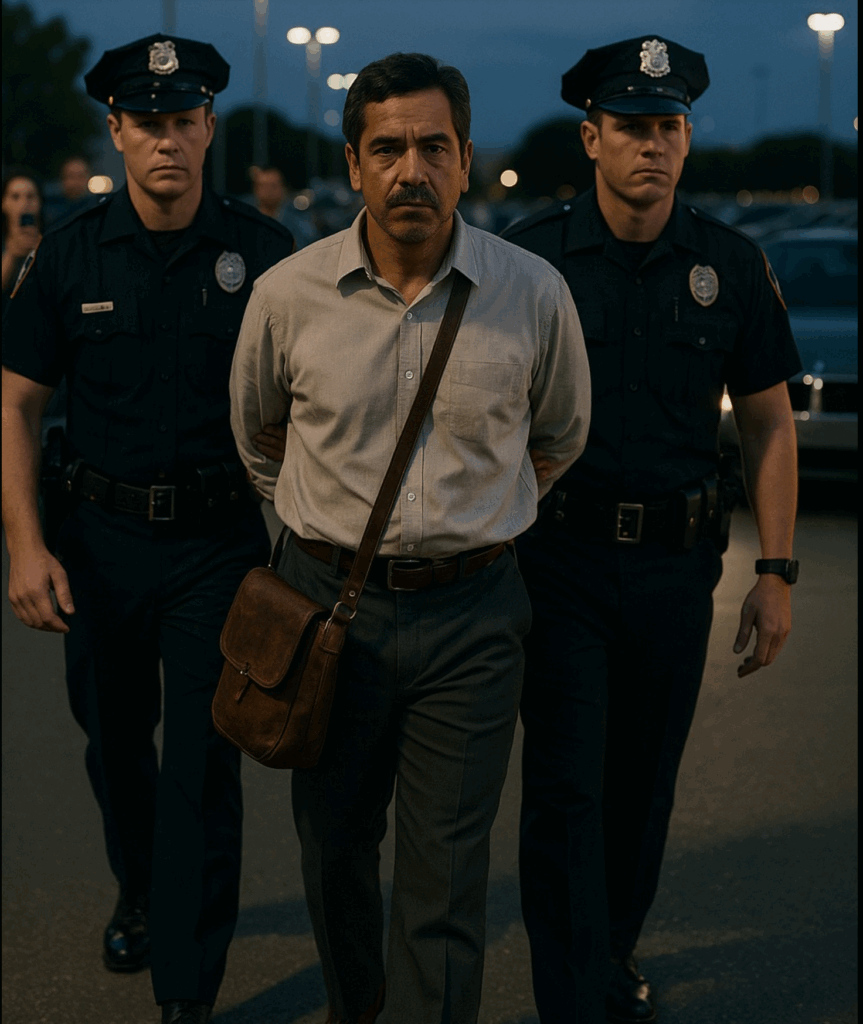
One spring night, men in black suits tried a silent infiltration. Cameras, decoys, and law enforcement turned the attempt into a messy retreat. Noah realized danger was never gone—it was managed, mitigated, outsmarted. Years passed. The foundation grew quietly but effectively.
Children learned, thrived, and gained confidence. Jamal received his mechanic’s toolkit. The torn-notebook girl now painted murals in the park. Noah’s work transformed the city one small, human-sized victory at a time. By fifteen, Noah’s name was less about inheritance and more about impact.
He learned that courage isn’t the absence of fear—it’s continuing despite it. One afternoon, Mark handed him a small box: the old ledger and a photograph of Robert Carter with young Mark. “Your grandfather left this for you,” Mark said. “He believed you’d do what he couldn’t: use it to fix things, not wield power.”
Noah read the ledger at home, the brass key warm in his hand. “If you inherit, promise me: you will spend it on people who have no voice.” He kept that promise. By twenty-one, schools had roofs, after-school programs thrived, families grew gardens, and scholarships saved futures.
Threats still came, but each was met with vigilance and strategy. Money became soil, not a sword. One bright June afternoon, Noah stood in a park his foundation had built. Children ran through sprinklers; Jamal leaned against a fence, engines humming in his mind.
The brass key gleamed against Noah’s chest. Emily stood beside him, small and fierce; Mark, softened by time, placed a hand on Noah’s shoulder. “You did good,” Emily said. “No, we did,” Noah corrected, watching the laughter and life he helped nurture.
A boy approached, older now, with a drawing: a map of safe places. “You keep drawing the safe places,” Noah said. “That way, when I get lost, I can find home,” the boy said. “Then draw lots of them,” Noah advised, laughing through the ache in his chest.
The ledger, the key, the money—they were tools. But choice, courage, and compassion were what truly changed the world. And Noah had kept his promise. Years later, when asked what he did with his inheritance, he would say simply:
“We bought some time. Then we used it.” And under the bright Chicago sky, where children mapped safety and hope bloomed like a garden, Noah knew his grandfather would have smiled.