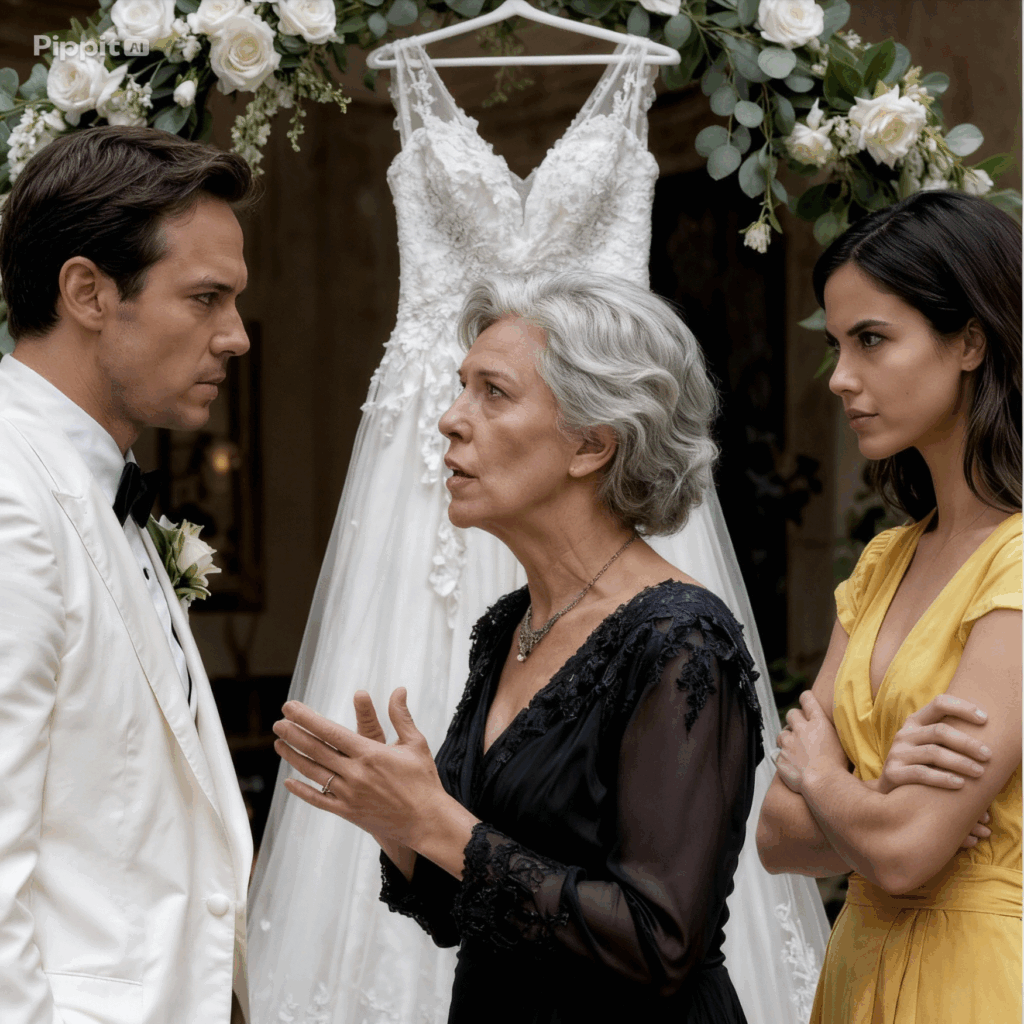
The Education of Unwanted Guests.The weight of the keys in my palm felt like victory.Not the loud, champagne-popping kind of victory people celebrate on television, but the quiet, earned kind—the kind that settles into your bones and stays there.
After thirty-two years as a librarian at Oakridge Public Library, decades of careful saving, and eight long years of rebuilding my life after divorce, these small brass keys represented something I had been told—repeatedly—I would never have.
“You’ll never afford a beach house on a librarian’s salary,” Harold had said once, with the calm certainty of a man who believed he understood the limits of my world better than I ever could. “Be realistic.”
Yet here I stood, at sixty-seven, on the weathered porch of my own Cape Cod cottage, the April breeze carrying salt and promise as it lifted strands of my silver-gray hair. Two bedrooms. Faded blue shutters. A wide, uninterrupted view of the Atlantic that stole my breath every time I looked at it.
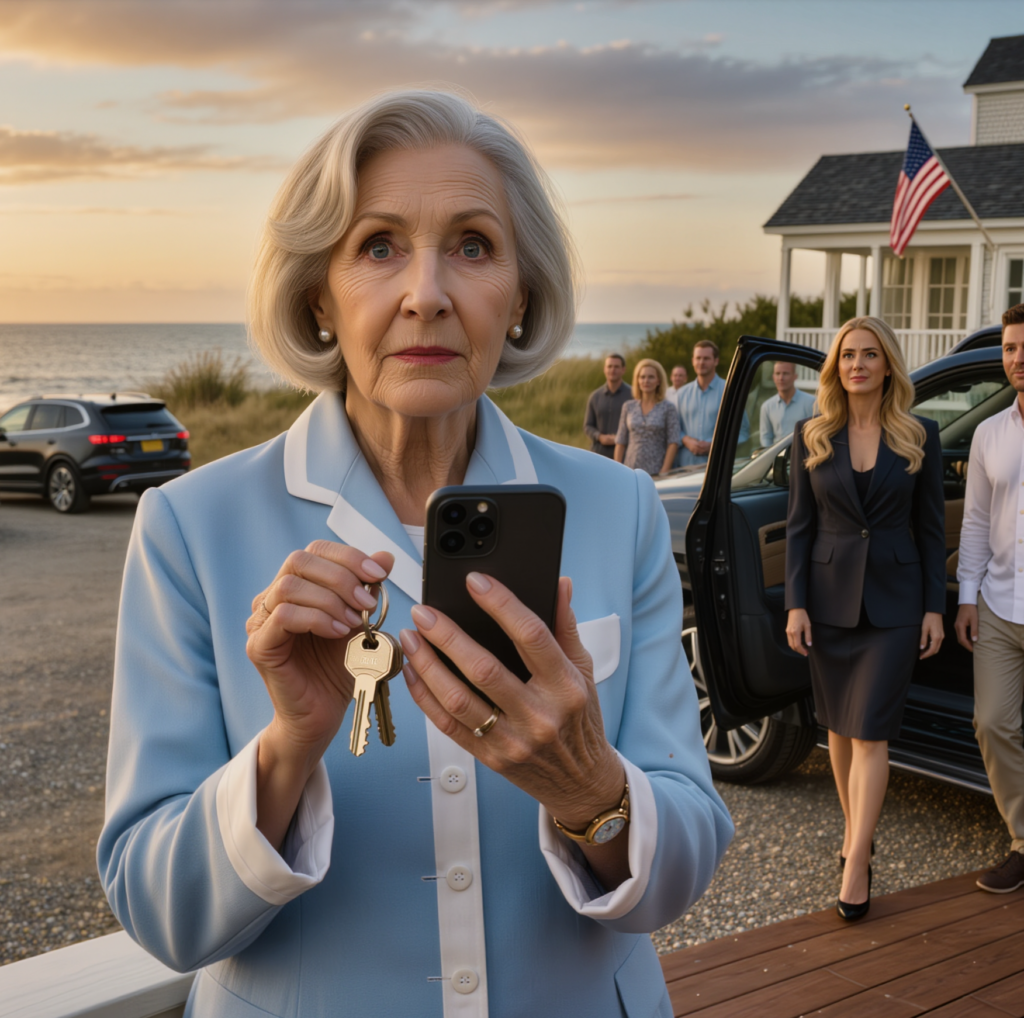
Modest. Charming. Mine.The real estate agent had left moments earlier, and I lingered in the silence, savoring it. When I turned the key and stepped inside, sunlight spilled across the hardwood floors, warming the simple furnishings I had chosen so carefully.
“My home,” I whispered.I moved slowly, deliberately, touching countertops, doorframes, window sills—proof that this was real. I imagined mornings with coffee on the deck, evenings watching the sun sink into the sea. In the bedroom,
I placed my overnight bag on the crisp white duvet and looked out at the narrow path leading down to my private stretch of beach.No one to tell me I was too quiet.Too boring.Too much.The dream had been born in my twenties, buried during my marriage, and resurrected after my divorce with a stubbornness that surprised even me.
Eight years of extra shifts. Eight years of saying no to vacations and yes to discipline. Eight years of hearing—secondhand—Harold’s dismissive remarks.“She’s still chasing that beach fantasy,” he’d scoffed. “Some people never learn.”
He was right about one thing. I had learned.Just not what he expected.Tomorrow, my son Bradley and his wife Brooke were supposed to help me move the rest of my belongings—mostly books, things I trusted no one else to handle. I looked forward to showing Bradley the house, though Brooke’s reaction gave me pause.
Brooke lived in a world of luxury brands and curated experiences. She had mastered the art of subtle dismissal—the raised eyebrow, the impatient sigh, the way my profession somehow always sounded quaint when she repeated it.
I had learned to endure her.I was still smiling at the ocean when my phone rang.“Hello, dear,” I answered warmly, expecting Bradley.“Dorothy, it’s Brooke.”Her voice was clipped, efficient.
“Change of plans. We’re not coming tomorrow.”
“Oh.” I steadied myself. “Is everything alright?”“Better than alright. Bradley landed the Westfield account. We’re celebrating at your beach house. I’ve invited family, friends, and a few important clients.”
My smile froze.“This weekend?”“Yes. I need you to clean, organize, prepare food, and make space for twenty-two people. We’re already on our way.”“Twenty-two?” I said. “Brooke, the house has two bedrooms. I’ve been here less than a day.”She laughed lightly.
“Don’t be dramatic. People can sleep anywhere. There’s a grocery store nearby, I’m sure. Just make it work.”And there it was—the assumption. The expectation. The quiet certainty that I would bend.
“You wouldn’t want to hurt Bradley’s career,” she added smoothly.For years, that sentence would have undone me.But something shifted.Maybe it was the key still warm in my hand.Maybe it was the ocean.
Maybe it was simply that I was done being accommodating.“Of course,” I said pleasantly. “I’ll make sure everything is ready.”After the call ended, I stared out at the water as the sun dipped lower.“Everything will be ready,” I said softly.
“Just not the way you think.”That night, I made calls. I researched. I organized.Librarians are underestimated. People think we shelve books and whisper. They forget we are archivists of human behavior, masters oflogistics, keepers of community memory.
By midnight, I had a plan.By morning, I was calm.At 11:55 a.m., the first luxury SUV rolled into my driveway.Brooke stepped out first, surveying my cottage with polite disappointment.“So quaint,” she said.
Twenty-one guests followed. Expectations high. Luggage in hand.I greeted them all with a smile.“I’ve made arrangements.”The envelopes came next.Motel rooms.Campgrounds.A room above a bait shop.
A tent with a raccoon advisory.Confusion turned to discomfort. Discomfort to outrage.Brooke’s composure cracked.“This is unacceptable.”“I did my best,” I replied gently. “Given the notice.”
The beach tour bored them. The seaweed tea unsettled them. The afternoon stretched, awkward and unraveling.
By evening, Brooke’s illusion was in ruins.The Westfields, to her horror, were amused.At dinner, they toasted me.To independence.To earned success.To dignity.The next morning, Bradley joined me on the deck, coffee in hand.
“I didn’t see you,” he admitted. “Not really. I should have.”“Yes,” I said softly. “You should have.”The ocean shimmered below us, endless and unconcerned.I had spent a lifetime being invisible.
That chapter was closed.And anyone who wished to remain in my life would have to learn—quietly, unmistakably—that my kindness was no longer an invitation to cross my boundaries.Some lessons arrive gently.Others, like the tide, cannot be stopped.