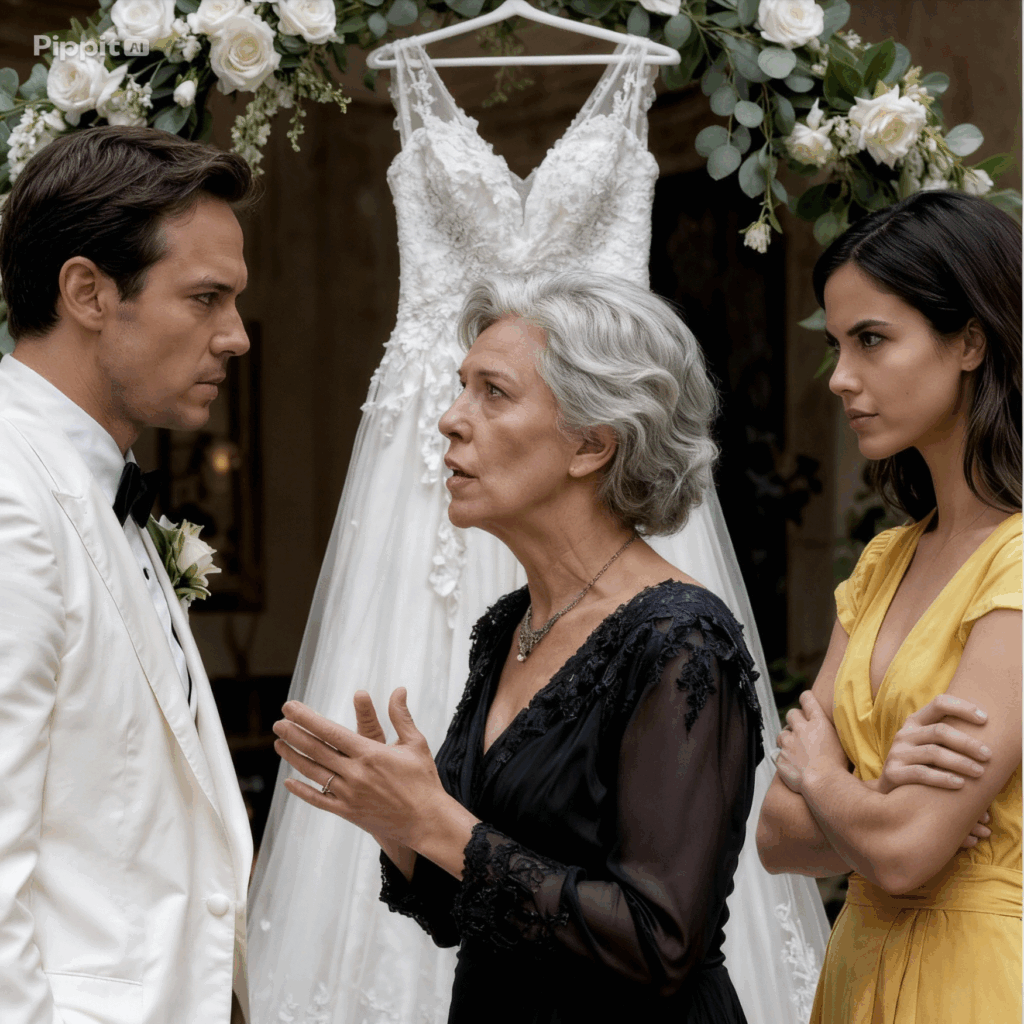
I found out that my parents had transferred the family jewelry store to my sister, Melissa. So I quit — the eighty-hour weeks I had worked for free, year after year, were over. A week later, my dad called in a panic: “Our biggest client is about to leave.”
I answered calmly, “Then let the heir handle it.”I discovered the full truth on a Tuesday afternoon while searching my dad’s office filing cabinet for insurance documents. Tucked between outdated lease agreements and supplier contracts were the transfer papers:
Harrison Family Fine Jewelers. The business my grandfather had founded in 1962, where I had spent practically every waking hour over the past eight years, was now legally owned by my younger sister — and had been for three months.
My hands shook as I went through the papers. Every single attachment, every inventory piece, the building itself — all of it was hers now. The transfer stamp was dated June 15. Three months. Three months I had been toiling for a promise that never existed.
I carefully put the documents back and stepped onto the sales floor. My father stood at the repair bench, examining an old Cartier watch under a loupe. My mother was helping a customer pick out an engagement ring. Melissa sat at her desk by the window, scrolling on her phone, as usual. No one noticed me.
The store had been my world since graduating high school. While my friends went to college, I learned everything here: gemology, metalworking, customer relations, accounting, inventory management. I attended night classes to earn my GIA certification after ten-hour workdays.
I built supplier relationships, attended trade shows, expanded our custom jewelry services.Melissa, on the other hand, studied marketing in California, traveled through Europe during summers, and was active in a sorority. In the store, she appeared at most twice a month, usually when she needed money.
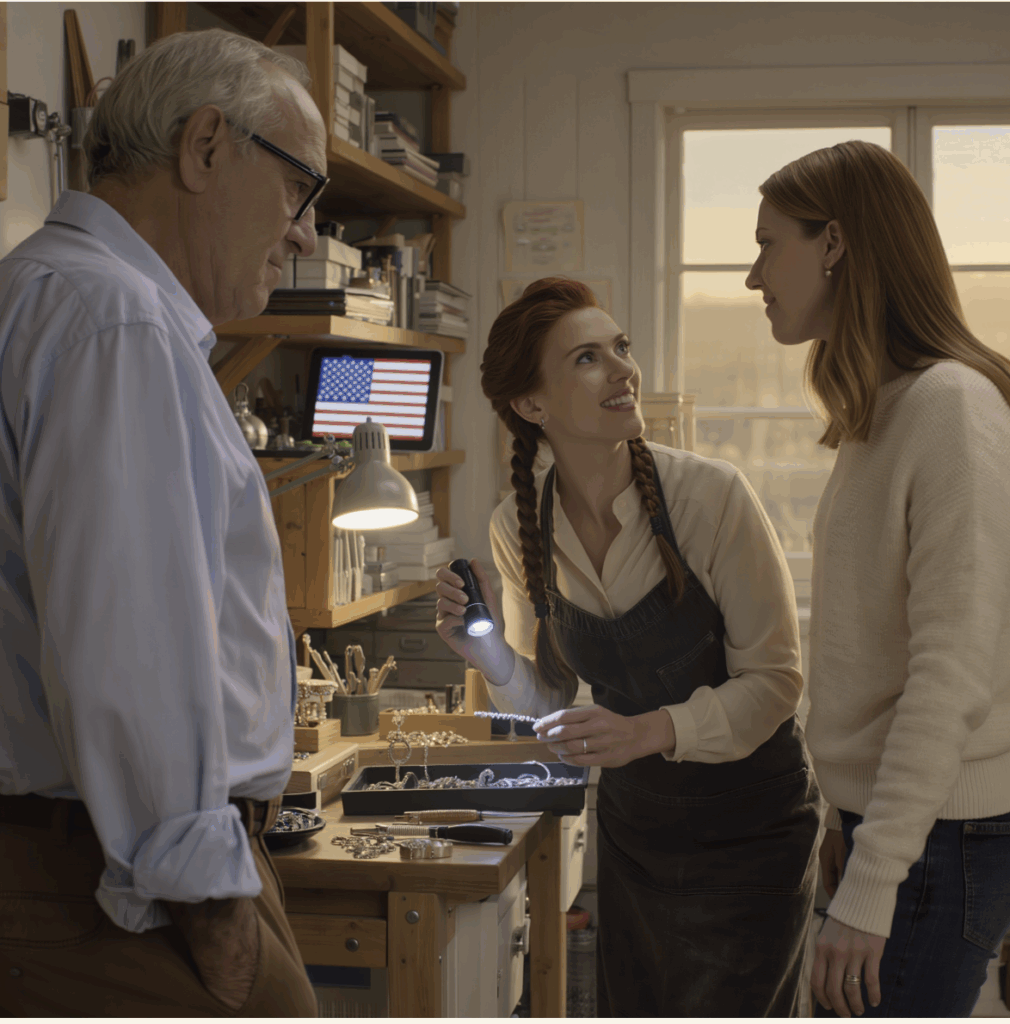
She couldn’t tell a round brilliant from a princess cut. She once asked a customer whether sapphires came from mines or trees. And yet, she was now the sole owner of the family business.I went through the rest of Tuesday on autopilot: customer consultations, orders, repairs, social media updates, appointment confirmations.
Everything I had done a thousand times suddenly felt foreign.That evening, alone in my small apartment, I looked at my life: a tiny studio, a fifteen-year-old car with no air conditioning, savings: $3,247, no vacations since high school, eighty-hour workweeks without pay.
I had believed I was building my future — only to discover I had been deceived.On Wednesday morning, I woke up with crystal-clear clarity. No anger, no pain. I was done.I went to the store, made coffee, opened templates on my laptop. By the time my parents arrived at eight,
my resignation letter was ready, along with a detailed handover folder.“We need to talk,” I said. “Everyone, including Melissa.”My tone froze them. Within twenty minutes, Melissa appeared, annoyed, in front of me.“I’m resigning. Effective immediately.” I laid the letters on the counter.
Silence. My mother whispered, “What?”“I’m not working here anymore.”When I mentioned the transfer papers, Melissa looked genuinely confused. “I didn’t know.”“It’s not about what you knew. It’s about what happened. And I’m done.”
I handed them a thick folder with everything they would need: passwords, supplier contacts, customer preferences, upcoming appointments. Everything else was no longer mine.My father panicked. “Emma, be reasonable. We can’t just—”“Yes, we can. Melissa is the owner now. She can handle it.”
I left the store. For the first time in years, I slept past six, ran errands during the week, read an entire book in one afternoon. No guilt. No endless work hours.Soon, I had three interviews with competing jewelers, all surprised I was available. Two days later, I had two job offers,
both with salary, vacation, and benefits. One at a boutique in Beverly Hills, the other with Jennifer Costa, a designer specializing in custom engagement rings. I chose her.Working with Jennifer was everything Harrison’s never had: creative, collaborative, appreciative.
My skills were recognized. I led my own projects, designed rings, developed services for vintage redesigns. I had control, freedom, and real recognition.When Melissa showed up at my apartment in tears, asking for help, I was honest: “You were pushed into this because everything is falling apart. But I’m not going back.”
Months later, Melissa sold the business. She gave me half the proceeds — $425,000. I invested, continued my education, and started building my own studio.Today, I run Emma Harrison Fine Jewelry, specializing in custom engagement rings and heirloom redesigns.
My clients value me. I’m recognized, paid, and free.Three years after discovering the transfer documents, my father called — the first time since the Silverman incident:
“Emma, we made mistakes.”
“Yes,” I replied calmly, “but I learned from mine. Now I’m building something of my own.”I learned that sometimes the bravest move is walking away. Loyalty to family should never mean self-destruction. Those who truly value you won’t wait for your success to apologize.
And the most valuable inheritance is the one you build yourself.“The heirs can handle it,” I said back then. And this time, I meant it. Because this inheritance — it was finally mine.