Roselle: The Ruby-Red Superplant – A Complete Guide to Its Remarkable Health Benefits, Nutritional Properties, and Homemade Uses
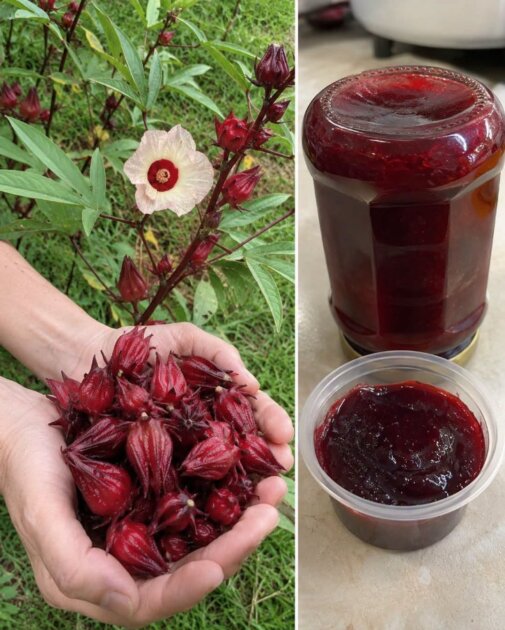
Known botanically as Hibiscus sabdariffa, Roselle is a remarkable tropical plant celebrated around the world for its vibrant crimson color, refreshing tart flavor, and impressive range of culinary and traditional uses. Depending on the country and local culture, it goes by many different names, including Red Sorrel, Florida Cranberry, Jamaican Sorrel, Bissap, Karkadeh, and Rosella.
Although many people recognize Roselle primarily as the beautiful red flower used to prepare herbal tea, this plant has far more to offer than a delicious beverage. Its fleshy red calyces, tender green leaves, nutritious seeds, and even its fibrous stems have been used for generations in traditional cooking, household preparations, and natural remedies.
What makes Roselle particularly interesting is its concentration of naturally occurring plant compounds, including anthocyanins, organic acids, polyphenols, and other antioxidants. These substances give the plant its distinctive ruby-red appearance and contribute to the potential health benefits that have attracted growing scientific interest.
From supporting cardiovascular health and providing antioxidant protection to inspiring homemade jams, refreshing summer drinks, and flavorful sauces, Roselle is one of the most versatile plants you can incorporate into your kitchen.
But what exactly makes this tropical plant so special? Which parts can you eat, how can you prepare it at home, and what precautions should you know before making it part of your daily routine?
Let’s explore everything you need to know about this extraordinary ruby-red plant.
Getting to Know Roselle: A Tropical Plant with Many Uses
Roselle belongs to the hibiscus family and grows particularly well in warm tropical and subtropical environments. It is an annual shrub that can reach several feet in height, producing attractive flowers followed by the fleshy red structures that make the plant so recognizable.
Unlike ornamental hibiscus varieties, which are mainly cultivated for their large, colorful flowers, Roselle is valued primarily for its edible calyces.
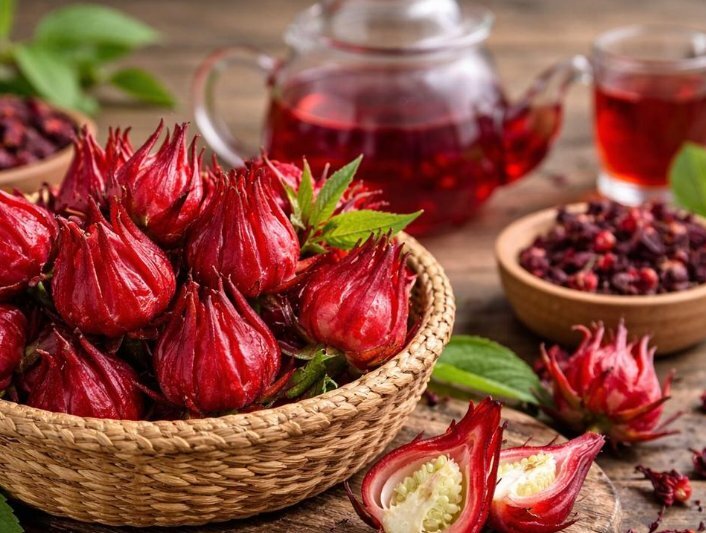
The calyx is the fleshy, cup-shaped structure surrounding the flower’s base. After the petals fall away, this bright red portion remains and gradually develops around the seed capsule. It is harvested while still tender and succulent, then used fresh or dried.

Its flavor is pleasantly tart, often compared to cranberries, sour cherries, or red currants. This natural acidity makes Roselle particularly suitable for teas, fruit drinks, preserves, sauces, and desserts.
Interestingly, almost every part of the plant has a practical use.
The Different Parts of the Roselle Plant
\- The Red Calyces: These are the most valuable and widely consumed parts of Roselle. Their thick, juicy texture and tangy flavor make them ideal for herbal infusions, syrups, jams, jellies, and homemade beverages. They also contain anthocyanins and other antioxidant compounds.
\- The Green Leaves: Young Roselle leaves are edible and have a slightly sour, refreshing taste. They can be cooked like spinach, added to soups, mixed into salads when tender, or incorporated into traditional vegetable dishes.
\- The Seeds: Hidden inside the central seed capsule, Roselle seeds contain protein, fiber, and oils. Depending on regional traditions, they may be roasted, ground into flour, or processed to obtain vegetable oil.
\- The Stems: The mature stems contain strong natural fibers. In some traditional agricultural communities, these fibers are processed into twine, rope, woven materials, and coarse fabrics.
The versatility of Roselle makes it much more than a decorative garden plant. It is a useful food crop that can provide several different ingredients from a single harvest.
What Makes Roselle So Nutritionally Valuable?
The characteristic color and flavor of Roselle come from a complex combination of naturally occurring compounds. These substances are responsible for much of the scientific interest surrounding the plant.
Although the precise nutritional composition depends on growing conditions, harvesting time, processing methods, and preparation, Roselle contains several noteworthy groups of compounds.
1. Anthocyanins: The Source of Its Deep Ruby-Red Color
Anthocyanins are natural pigments found in many red, purple, and blue fruits and vegetables. They are responsible for the intense crimson color of Roselle calyces.
These compounds are also powerful antioxidants. They help protect cells against oxidative stress caused by unstable molecules known as free radicals.
Oxidative stress is associated with cellular damage and several chronic health conditions. Eating a varied diet containing anthocyanin-rich plant foods can help support the body’s natural antioxidant defenses.
2. Organic Acids: The Secret Behind Its Refreshing Tartness
Roselle contains several naturally occurring organic acids, including citric, malic, and hibiscus-related acids.
These compounds give the plant its characteristic sour taste and contribute to its refreshing flavor.
They also influence the acidity of Roselle beverages and preserves, making the plant particularly useful in food preparation.
3. Vitamin C: An Important Nutrient for Everyday Health
Roselle can provide vitamin C, although the amount varies considerably depending on whether the plant is consumed fresh, dried, or brewed.
Vitamin C is essential for several important functions:
– Supporting normal immune system function.
– Contributing to collagen production.
– Helping the body absorb iron from plant-based foods.
– Protecting cells from oxidative damage.
– Supporting healthy skin, blood vessels, and connective tissues.
One important consideration is that vitamin C is sensitive to heat, oxygen, and prolonged storage. Gentle preparation may help preserve more of this nutrient.
4. Essential Minerals
Roselle contains minerals such as calcium, iron, magnesium, phosphorus, and potassium, although the quantities depend on the plant part and preparation method.
These minerals contribute to numerous bodily functions:
– Calcium supports healthy bones and teeth.
– Iron helps transport oxygen throughout the body.
– Magnesium contributes to normal muscle and nerve function.
– Phosphorus supports bone structure and energy metabolism.
– Potassium helps regulate fluid balance and supports normal muscle and heart function.
Roselle should not be considered a replacement for mineral-rich foods or a reliable treatment for nutritional deficiencies, but it can contribute to dietary variety.
5. Pectin and Soluble Fiber
The fleshy calyces contain pectin, a type of soluble fiber naturally present in many fruits.
Pectin absorbs water and forms a gel-like consistency, which explains why Roselle works particularly well in homemade jams and jellies.
Soluble fiber also contributes to digestive health by supporting normal bowel function and serving as a food source for beneficial intestinal bacteria.
7 Potential Health Benefits of Roselle
Roselle has been used in traditional food and herbal preparations across Africa, the Caribbean, Asia, and other tropical regions for generations.
Today, researchers are particularly interested in its antioxidant compounds and their possible effects on cardiovascular health, metabolism, inflammation, and other biological processes.
It is important to distinguish traditional uses from scientifically established effects. Some benefits have been investigated in human clinical studies, while others are supported mainly by laboratory or animal research.
Here are seven areas where Roselle may offer health-supporting properties.
1. May Help Support Healthy Blood Pressure
One of the most extensively researched properties of Roselle is its potential influence on blood pressure.
Several clinical studies have investigated whether regularly drinking Hibiscus sabdariffa tea can help people with elevated blood pressure maintain healthier readings.
Researchers believe that certain compounds in Roselle may influence blood vessel function and contribute to the relaxation of vascular walls.
Potential mechanisms include:
\- Supporting Blood Vessel Relaxation: Certain plant compounds may influence processes involved in regulating the contraction and relaxation of blood vessels, helping improve blood flow.
\- Supporting Fluid Balance: Roselle may have a mild diuretic effect, potentially increasing urine production and influencing the body’s handling of sodium and water.
\- Providing Antioxidant Protection: Its anthocyanins and polyphenols may help protect blood vessels against oxidative stress.
Some clinical studies have reported modest reductions in blood pressure among people who regularly consume hibiscus preparations.
However, Roselle is not a substitute for prescribed blood pressure medication. Anyone with hypertension should discuss regular consumption with a healthcare professional, particularly if already taking medication.
2. May Support Healthy Cholesterol and Blood Lipid Levels
Maintaining healthy cholesterol levels is an important part of protecting cardiovascular health.
Researchers have investigated whether Roselle extracts and beverages can influence blood lipids, including LDL cholesterol, HDL cholesterol, and triglycerides.
Some studies suggest that hibiscus preparations may produce modest improvements in certain lipid measurements, although the findings are not consistent across all research.
Potential effects include:
\- LDL Cholesterol: Antioxidant compounds may help reduce the oxidation of LDL particles, a process associated with the development of atherosclerosis.
\- Triglycerides: Some studies have observed improvements in triglyceride levels following regular consumption of hibiscus preparations.
\- HDL Cholesterol: Research into effects on beneficial HDL cholesterol has produced mixed results, so a consistent increase cannot be assumed.
Roselle may be a useful addition to a heart-conscious eating pattern, especially when consumed without excessive added sugar.
It should complement, rather than replace, a balanced diet, regular exercise, and medical treatment when necessary.
3. Provides Powerful Antioxidant Protection
One of the most interesting characteristics of Roselle is its high concentration of antioxidant plant compounds.
Every day, the body encounters oxidative stress from normal metabolic activity and environmental influences. Free radicals are unstable molecules that can damage cellular structures when their levels exceed the body’s protective capacity.
Roselle contains anthocyanins, flavonoids, and other polyphenols that demonstrate antioxidant activity.
These compounds may help:
– Protect cells against oxidative damage.
– Support the body’s natural antioxidant defense systems.
– Reduce certain processes associated with oxidative stress.
– Contribute to the protection of tissues and blood vessels.
– Support overall health as part of a diet rich in colorful plant foods.
The deep red color of Roselle is a visible reminder of its anthocyanin content.
However, antioxidant activity observed in laboratory experiments does not automatically mean that drinking Roselle tea prevents aging or treats chronic diseases in humans.
Its greatest value is as part of a varied diet containing plenty of fruits, vegetables, and other plant-based foods.
4. May Help Support Liver Health
The liver performs numerous essential functions. It processes nutrients, metabolizes medications, produces important proteins, and helps the body eliminate waste products.
Because Roselle contains antioxidant compounds, researchers have investigated its potential protective effects on liver tissue.
Laboratory and animal studies suggest that certain hibiscus extracts may influence oxidative stress, inflammation, and fat accumulation in the liver.
Potential areas of interest include:
– Supporting the body’s natural antioxidant defenses.
– Helping protect liver cells against oxidative damage.
– Influencing certain liver enzyme measurements.
– Potentially affecting fat metabolism and fat accumulation.
These findings are promising, but they do not establish that drinking Roselle tea detoxifies the liver or treats fatty liver disease in humans.
Your liver already has its own sophisticated detoxification systems. The most reliable ways to support liver health include maintaining a healthy weight, limiting alcohol, eating a balanced diet, and following appropriate medical advice.
5. May Complement Weight Management and Metabolic Health
For people trying to maintain a healthy weight, Roselle can be an appealing alternative to sugary drinks.
Its naturally sour, fruity flavor makes it enjoyable even without sweeteners, and unsweetened tea contains very few calories.
Some laboratory and animal studies have investigated whether Roselle compounds influence enzymes involved in carbohydrate and fat metabolism.
Researchers are particularly interested in several possible mechanisms:
\- Carbohydrate Digestion: Certain extracts may influence enzymes involved in breaking down starches and carbohydrates.
\- Fat Metabolism: Laboratory research suggests that some hibiscus compounds may influence processes associated with fat storage and metabolism.
\- Antioxidant Activity: Reducing oxidative stress may help support normal metabolic processes.
\- Lower-Calorie Hydration: Replacing sweetened beverages with unsweetened Roselle tea can help reduce overall calorie intake.
However, there is not enough reliable human evidence to consider Roselle a proven weight-loss treatment.
It does not melt belly fat, replace exercise, or produce significant weight loss on its own.
Its practical advantage is much simpler: it offers a flavorful, refreshing drink that can make a healthy eating routine easier to maintain.
6. May Support Digestion and Gut Health
Roselle has a naturally tangy flavor that makes it a popular ingredient in traditional digestive preparations.
Its edible leaves and fleshy calyces contain plant compounds and varying amounts of dietary fiber that can contribute to a balanced diet.
Some of its potential digestive benefits include:
\- Providing Dietary Fiber: The plant’s edible parts contribute fiber, which supports normal bowel movements when consumed as part of a fiber-rich diet.
\- Supporting Gut Bacteria: Pectin and other plant fibers can serve as substrates for beneficial intestinal microorganisms.
\- Adding Variety to Meals: Roselle leaves can be included in vegetable dishes, soups, and stews, increasing the variety of plant foods in the diet.
\- Providing a Refreshing Beverage: Unsweetened Roselle tea can contribute to daily fluid intake.
It is worth remembering that strained tea contains much less fiber than eating the actual calyces or leaves.
Although traditional preparations sometimes use Roselle for digestive discomfort, there is insufficient clinical evidence to establish it as a treatment for constipation, stomach cramps, or digestive disorders.
7. May Contribute to Immune and Urinary Tract Health
A healthy immune system depends on adequate nutrition, good sleep, physical activity, and many other factors.
Roselle contributes certain nutrients and plant compounds that may support normal immune function.
Its vitamin C content is particularly relevant because this nutrient plays an important role in immune cell function and helps protect cells against oxidative damage.
Researchers have also investigated the antimicrobial properties of Roselle extracts.
Laboratory experiments suggest that certain compounds may inhibit the growth of selected microorganisms, including some bacteria associated with urinary tract infections.
However, laboratory results do not prove that drinking Roselle tea prevents or cures urinary infections.
Its possible diuretic effects should also not be confused with an established treatment for UTIs.
Anyone experiencing painful urination, fever, blood in the urine, or persistent urinary symptoms should seek medical attention rather than relying on herbal drinks.
How to Prepare and Enjoy Roselle at Home
One of the best things about Roselle is how easy it is to incorporate into everyday cooking.
You do not need expensive equipment, complicated ingredients, or advanced culinary skills. Fresh or dried calyces can be transformed into refreshing drinks, flavorful syrups, homemade preserves, and even savory sauces.
If Roselle grows in your region, you may also be able to harvest fresh calyces directly from your garden.
How to Choose and Store Roselle
Whenever possible, look for whole or large pieces of dried Roselle rather than finely powdered products. Whole calyces generally retain their characteristic aroma and are easier to inspect for quality.
Check the Color
High-quality dried Roselle usually has a rich burgundy or deep crimson appearance. Avoid products that look excessively faded, damp, moldy, or unusually discolored.
Pay Attention to the Aroma
Fresh and properly dried Roselle should have a pleasant, fruity, slightly floral smell with a distinctive tart character.
Store It Correctly
Place dried calyces in an airtight glass container and keep them in a cool, dry cupboard away from direct sunlight.
Fresh calyces should be refrigerated and used promptly. Always discard any material showing signs of mold or spoilage.
1. Classic Hot Roselle Tea: A Simple Everyday Drink
This is perhaps the easiest and most popular way to enjoy Roselle.
The hot infusion extracts the plant’s characteristic color, flavor, and water-soluble compounds, producing a beautiful ruby-red beverage with a refreshing sour taste.
Ingredients:
– 2 tablespoons dried Roselle calyces.
– 2 cups (500 ml) water.
– 1 teaspoon honey, optional.
– 2 or 3 thin slices of fresh ginger, optional.
– 1 small cinnamon stick, optional.
Preparation:
1. Place the dried Roselle calyces in a fine-mesh strainer and rinse briefly under cool running water.
2. Bring the water to a boil in a small saucepan or kettle.
3. Remove the water from the heat and add the Roselle calyces.
4. Add the ginger or cinnamon if you want a warmer, more aromatic flavor.
5. Cover and allow the mixture to steep for approximately 10–15 minutes.
6. Strain the liquid into a cup or teapot.
7. Add a little honey if desired and stir gently.
The finished tea should have an attractive deep-red color and a pleasantly tart flavor.
Helpful tip: Avoid unnecessarily prolonged boiling. Gentle steeping is a practical way to prepare Roselle while limiting the loss of heat-sensitive nutrients such as vitamin C.
You can enjoy it warm during colder months or allow it to cool and serve it over ice.
2. Cold-Brewed Roselle: A Refreshing Summer Drink
If you prefer a smoother, less intense flavor, cold-brewed Roselle is an excellent alternative.
Unlike traditional hot tea, this preparation uses cold water and a longer soaking period. The result is a refreshing beverage that is particularly enjoyable during warm weather.
Ingredients:
– 1/2 cup dried Roselle calyces.
– 4 cups (1 liter) cold drinking water.
– Juice of 1/2 lime.
– Honey or another sweetener, to taste.
– Ice cubes, for serving.
Preparation:
1. Rinse the dried calyces under cool running water.
2. Transfer them to a clean glass pitcher or large jar.
3. Pour the cold water over the Roselle.
4. Cover the container and place it in the refrigerator.
5. Allow the mixture to infuse for 8–12 hours.
6. Strain the liquid into another clean pitcher.
7. Add lime juice and sweetener according to your preference.
8. Serve in glasses filled with ice.
The finished drink has a beautiful red color and a crisp, fruity taste.
Because the preparation is not exposed to boiling temperatures, it may preserve more heat-sensitive vitamin C than hot brewing, although the actual amount depends on storage and preparation.
Keep refrigerated and consume within approximately 3–4 days.
3. Traditional Jamaican Sorrel Drink: A Fragrant Spiced Concentrate
In Jamaica and other Caribbean communities, Roselle is traditionally used to prepare a richly flavored beverage often known as Jamaican Sorrel.
The drink is particularly popular during festive periods, when families prepare large batches flavored with ginger, cloves, cinnamon, and aromatic spices.
This version creates a concentrated syrup that can be diluted whenever you want a refreshing drink.
Ingredients:
– 2 cups dried Roselle calyces.
– 4 cups water.
– 1 cup sugar or honey.
– 2 tablespoons freshly grated ginger.
– 4 whole cloves.
– 4 allspice berries.
– 1 small cinnamon stick.
– 1 strip of fresh orange peel.
Preparation:
1. Pour the water into a saucepan and add the ginger, cloves, allspice, cinnamon, and orange peel.
2. Bring the mixture to a gentle boil and simmer for approximately 5 minutes.
3. Remove the saucepan from the heat.
4. Add the rinsed Roselle calyces and stir in the sweetener.
5. Cover the saucepan and allow the ingredients to infuse for at least 4 hours. For a stronger flavor, refrigerate and leave overnight.
6. Strain the mixture through a fine sieve.
7. Transfer the concentrate into a clean, airtight glass bottle.
8. Refrigerate until ready to use.
To serve, combine approximately one part concentrate with three or four parts cold water or sparkling water.
Add ice, fresh orange slices, or a little lime juice for an extra refreshing touch.
Because this recipe contains added sugar, adjust the quantity to suit your dietary preferences.
4. Homemade Roselle Jam: A Naturally Tangy Preserve
Roselle is particularly well suited to homemade jam because its fleshy calyces naturally contain pectin.
Pectin helps fruit mixtures thicken during cooking, which means you can prepare a delicious preserve without necessarily purchasing commercial pectin.
The finished jam has a beautiful ruby-red appearance and a flavor that combines fruity sweetness with refreshing acidity.
Ingredients:
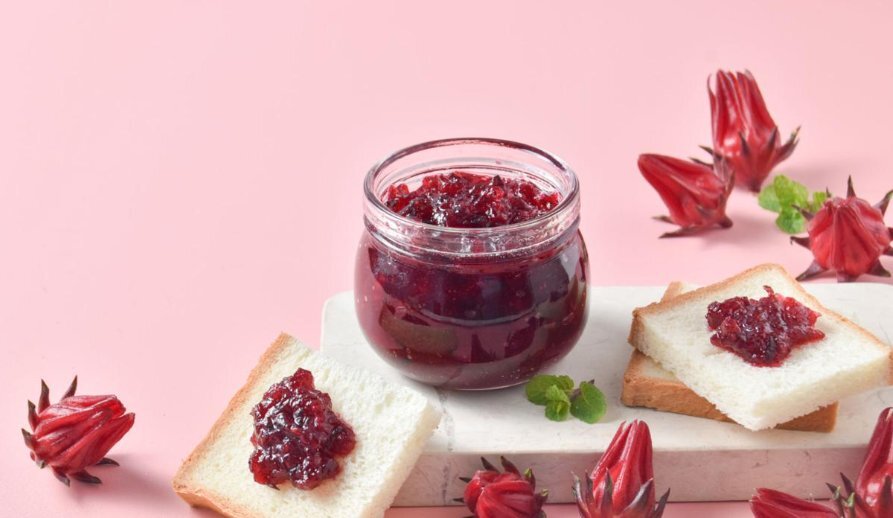
– 4 cups fresh Roselle calyces, with seed capsules removed.
– 2 cups water.
– 3 cups sugar.
Preparation:
1. Wash the fresh calyces thoroughly under running water.
2. Remove the green base and carefully separate the red fleshy calyx from the central seed capsule.
3. Place the red calyces and water in a medium saucepan.
4. Bring to a boil, then reduce the heat and simmer for approximately 15–20 minutes until the calyces become soft.
5. Mash the softened mixture gently with a spoon or potato masher.
6. Add the sugar and stir until it dissolves.
7. Bring the mixture back to a steady boil, stirring frequently to prevent sticking.
8. Continue cooking for approximately 10–15 minutes, checking the consistency as it thickens.
9. Transfer the hot jam into appropriately prepared clean jars.
10. Allow it to cool and refrigerate.
The jam is delicious on toast, pancakes, biscuits, and freshly baked bread. You can also use it as a filling for cakes or as a topping for plain yogurt.
For longer-term storage at room temperature, use a tested, safe water-bath canning recipe rather than relying on ordinary jars and refrigeration instructions.
5. Cooking with Roselle Leaves and Leftover Calyces
One of the most overlooked features of Roselle is that its usefulness does not end after you have prepared a cup of tea.
The edible leaves and softened calyces can become ingredients in several delicious dishes.
Instead of throwing everything away, consider these practical kitchen ideas.
A Tangy Roselle Chutney
After preparing an infusion, reserve the softened calyces if they are still in good condition.
Chop them finely and place them in a saucepan with:
– 1 small chopped onion.
– 1 minced garlic clove.
– A little olive oil.
– A pinch of chili flakes.
– A small amount of brown sugar.
– Salt to taste.
Cook gently until the mixture becomes thick and fragrant.
The result is a sweet-and-sour chutney that pairs beautifully with rice, beans, roasted vegetables, and grilled meat.
Roselle Leaf Greens
Young Roselle leaves can be prepared much like spinach or other leafy vegetables.
Wash them thoroughly, remove any tough stems, and chop them into smaller pieces.
Heat a little olive oil in a frying pan, add garlic and onions, and cook until fragrant. Add the leaves and sauté until tender.
You can also include them in:
– Lentil soups.
– Vegetable stews.
– Rice dishes.
– Bean recipes.
– Traditional curries.
Their naturally sour flavor adds a refreshing contrast to richer ingredients.
Homemade Roselle Powder
Dried Roselle can also be transformed into a colorful kitchen ingredient.
1. Spread clean calyces in a suitable drying environment.
2. Dry them completely until crisp.
3. Break them into smaller pieces.
4. Grind them using a clean coffee grinder or spice mill.
5. Store the resulting powder in an airtight container.
A small quantity can be added to smoothies, yogurt, homemade sauces, and baked goods.
It can also provide a natural reddish-pink color to certain recipes, although the final shade depends on the food’s acidity and preparation.
Safety Guidelines: Who Should Be Careful with Roselle?
Although Roselle is widely consumed as a food and beverage, natural does not automatically mean risk-free.
The plant contains biologically active compounds that may influence blood pressure, blood glucose, and the way certain medications work.
The amount consumed also matters. Drinking a mild infusion occasionally is not the same as taking concentrated extracts or supplements every day.
Here are some important precautions to consider.
1. Pregnancy and Breastfeeding
Pregnant women should avoid medicinal quantities of Roselle, concentrated extracts, and supplements unless specifically approved by their healthcare professional.
There is insufficient reliable human evidence to establish the safety of concentrated hibiscus preparations during pregnancy. Some animal and laboratory findings have raised concerns, but the precise risks in humans remain uncertain.
For breastfeeding mothers, safety information is also limited. It is sensible to consult a healthcare professional before regularly consuming concentrated preparations.
2. People with Low Blood Pressure
Because Roselle may reduce blood pressure, people who already have hypotension should be cautious.
Combining regular consumption with other blood-pressure-lowering products may increase the possibility of:
– Dizziness.
– Lightheadedness.
– Weakness.
– Fainting.
– Unusually low blood pressure.
Anyone experiencing these symptoms should stop the preparation and seek appropriate medical advice.
3. People Taking Blood Pressure Medication
Roselle may have an additional blood-pressure-lowering effect when combined with prescription antihypertensive medicines.
This could potentially cause blood pressure to fall more than intended.
If you take medication for hypertension, discuss regular Roselle consumption with your doctor or pharmacist before making it part of your daily routine.
4. People with Diabetes
Some studies suggest that hibiscus preparations may influence blood glucose regulation.
For people taking insulin or medications that lower blood sugar, combining concentrated Roselle preparations with treatment could potentially increase the risk of hypoglycemia.
Monitor blood glucose as advised by your healthcare professional and avoid using Roselle as a substitute for prescribed diabetes treatment.
5. Medication Interactions
Several potential medication interactions deserve attention.
\- Chloroquine: Some research suggests that hibiscus tea may reduce chloroquine absorption when the two are consumed together. People taking this medication should ask their pharmacist about appropriate precautions.
\- Acetaminophen (Paracetamol): Limited research suggests that hibiscus preparations may influence the metabolism or elimination of this medication. The clinical significance is not fully established.
\- Blood Pressure Medicines: Potential additive blood-pressure-lowering effects should be considered.
\- Diabetes Medicines: There may be an increased risk of low blood glucose when combined with concentrated preparations.
Because interaction research is incomplete, anyone taking regular prescription medication should check with a healthcare professional before using Roselle extracts or supplements.
6. Before Surgery
If you regularly consume concentrated herbal preparations or take Roselle supplements, inform your surgical team before an operation.
Your doctor can determine whether you should stop using them before surgery and when it is safe to resume.
Do not assume that every herbal preparation needs to be stopped for exactly the same period.
7. Protecting Your Teeth and Stomach
Roselle has a naturally acidic composition. Although this gives the drink its refreshing taste, frequent exposure to acidic beverages can gradually affect tooth enamel.
A few simple habits can help reduce this risk:
– Drink Roselle in moderate quantities rather than sipping it continuously throughout the day.
– Rinse your mouth with plain water after drinking.
– Avoid brushing your teeth immediately afterward; wait approximately 30–60 minutes.
– Consider drinking it with a meal if you have a sensitive stomach.
– Reduce the concentration if you experience heartburn or acid reflux.
People who experience persistent digestive discomfort should discontinue the preparation and seek medical advice.
How Much Roselle Tea Can You Drink?
There is no universally established daily dose of Roselle that is appropriate for everyone.
The amount used in studies varies according to the concentration of the preparation, the form of the extract, and the health condition being investigated.
For a healthy adult who enjoys Roselle as an ordinary beverage, moderate consumption is generally more sensible than relying on highly concentrated preparations.
A practical approach is to begin with a mild cup and observe how your body responds.
Avoid assuming that drinking more will produce greater health benefits.
Concentrated supplements should be treated differently from ordinary tea because they can deliver much higher amounts of active compounds.
People with existing medical conditions, low blood pressure, or regular medication use should seek individualized advice.
Why Roselle Deserves a Place in Your Kitchen
Roselle is an excellent example of how a relatively simple tropical plant can offer an impressive combination of flavor, nutrition, and culinary versatility.
Its vibrant red calyces can become refreshing herbal tea, chilled summer drinks, traditional Caribbean beverages, homemade syrups, and naturally colorful jams.
Its tender green leaves can enrich everyday meals, while its seeds and fibrous stems have additional traditional uses.
From a nutritional perspective, Roselle is particularly interesting because of its anthocyanins, polyphenols, organic acids, and other naturally occurring compounds.
Scientific research suggests that certain hibiscus preparations may support healthy blood pressure and provide antioxidant benefits. Other potential effects, particularly those involving cholesterol, liver health, weight management, and blood glucose, still require stronger human evidence.
The best way to enjoy Roselle is to treat it as one valuable ingredient in a varied, balanced diet rather than as a miracle remedy.
Whether you prefer a warm cup of ruby-red tea on a chilly morning, a refreshing iced drink on a summer afternoon, or a spoonful of homemade Roselle jam with breakfast, this extraordinary plant offers plenty of ways to bring natural color and flavor into your everyday life.
Sometimes, the most interesting ingredients are not complicated or expensive. They are plants that have been growing in gardens and being used in traditional kitchens for generations.
Roselle is certainly one of them.
Important Medical Disclaimer
This article is provided for general informational and educational purposes only. The information about Hibiscus sabdariffa (Roselle) is not intended to replace professional medical advice, diagnosis, or treatment.
Although scientific research has investigated several potential health effects of Roselle, not all traditional claims have been confirmed through reliable human clinical studies. The results of laboratory experiments and animal studies should not be interpreted as proof that the plant can prevent, treat, or cure human diseases.
Individual responses to herbal preparations may vary depending on health conditions, medication use, age, and other factors.
Always consult a qualified physician, pharmacist, or healthcare professional before using Roselle extracts, supplements, or concentrated herbal preparations, especially if you are pregnant, breastfeeding, have an existing medical condition, or take prescription medication.
Never discontinue prescribed medication or delay appropriate medical treatment because of information presented in an article about natural remedies.