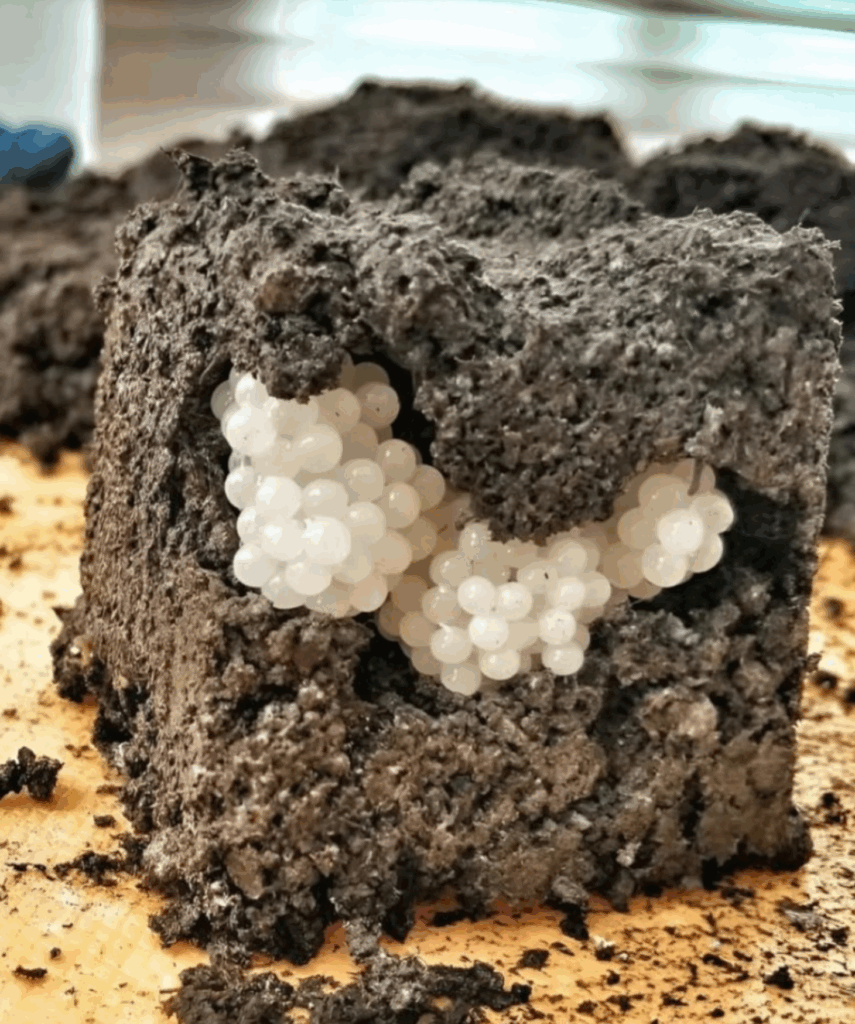
Wild Forest Roots – Survival or Life-Threatening?
For generations, people have turned to forest roots when food ran out or when traditional remedies were needed. During wars, crop failures, and long winters, knowledge of edible roots could be crucial. They were ground into flour, boiled into decoctions, or used as a nutritious supplement when nothing else was available.
In extreme situations, they meant the difference between life and death.Today, however, reality is different. We no longer live in a society where most people are forced to rely on wild food to survive. At the same time, interest in nature living, self-sufficiency, and “the original” has grown.
More and more people are drawn to the idea of eating what nature offers—directly from the forest. The problem is that a wild root does not become safe just because it is natural or because it was used in the past. On the contrary, it can be directly dangerous—sometimes even life-threatening.
Many forest roots look harmless. They may resemble ginger, yam, or parsnip. Their color is earthy, their shape familiar. But appearances can deceive. Several species contain powerful toxins that require precise preparation to neutralize—and some should not be eaten at all. Here are five clear warning signs you should never ignore.
1. It Irritates the Skin Immediately
The first sign may appear before you even consider tasting it. If the raw root causes itching, burning, redness, or numbness on your hands—stop immediately. The same applies if your lips or tongue begin to tingle upon contact.
Many wild roots contain calcium oxalate crystals or other irritating compounds. These microscopic crystals can cause intense burning in the mouth and throat, swelling of the lips and tongue, difficulty swallowing, and in severe cases, breathing problems. If it burns on the outside, take it as a clear warning of what it might do on the inside.
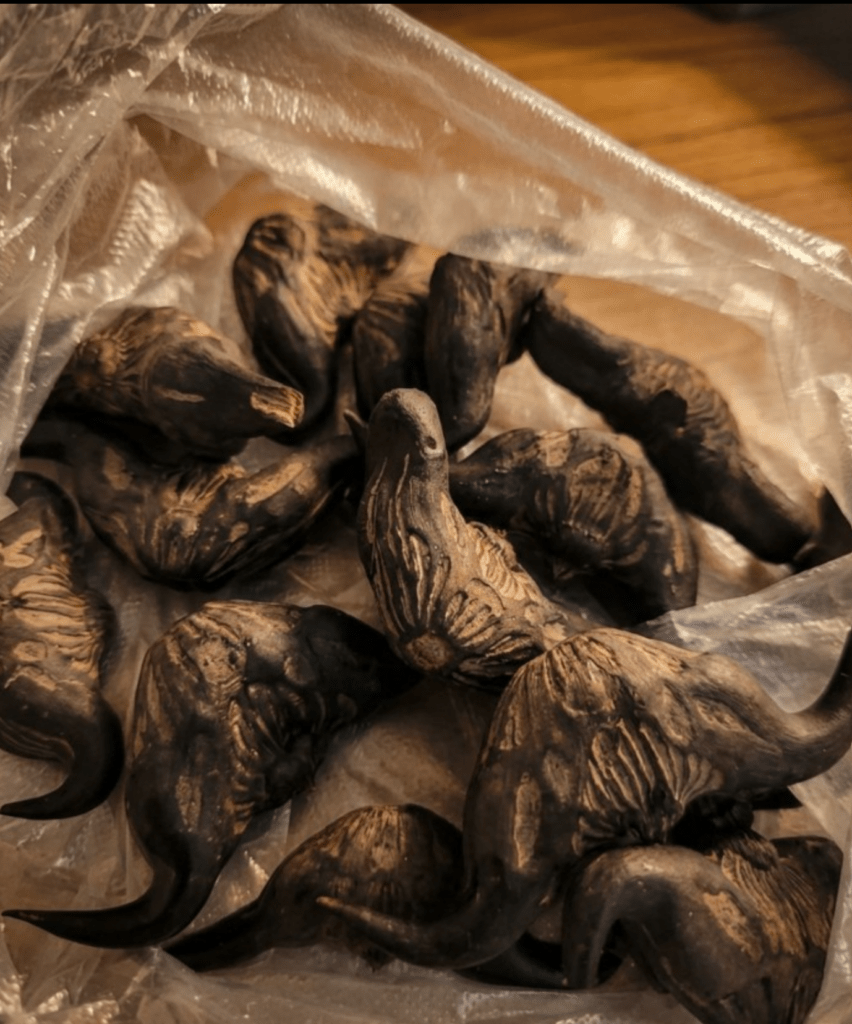
2. You Are Not Completely Sure of the Species
Most accidents happen here. Edible and poisonous roots can look almost identical to an untrained eye. A minimal difference in color shade, leaf shape, or smell can determine whether it is food—or poison.Traditional knowledge often depends on precise details: exact harvest time,
correct habitat and soil type, and specific preparation methods. Anyone lacking deep botanical knowledge or experienced guidance risks mistaking a toxic species for an edible one. “Thinking” you know is not enough. Without complete and certain identification,
it is pure guesswork—and guesswork has no place when dealing with potentially poisonous plants.
3. It Requires Complicated “Detoxification”
If someone says the root must be soaked for several days, boiled repeatedly, have the cooking water discarded multiple times, or treated with ash, lime, or large amounts of salt—alarm bells should ring.It is true that some plants can be made edible through careful preparation.
But these processes are often developed over generations, with precise timing and technique. A small mistake—too short a cooking time, incorrect temperature, or insufficient rinsing—can leave enough toxin behind to cause serious poisoning. When it comes to plant toxins, “almost right” is not good enough.
4. The Taste Is Extremely Bitter, Sharp, or Numbing
The body has its own alarm system. If a root tastes intensely bitter, causes tingling, or creates a numbing sensation in the mouth, do not ignore it. An unpleasant taste is often a natural warning signal.Such reactions may indicate the presence of alkaloids, glycosides,
or other defensive chemicals the plant has developed to protect itself from being eaten. Some of these substances can affect the nervous system, cause digestive distress, or in severe cases be neurotoxic. Masking the taste with spices, sugar, or long cooking does not automatically make the root safe.
The taste is not a mistake—it is a signal.
5. You Belong to a Risk Group
Even plants considered relatively safe for healthy adults may be risky for others. Avoid wild roots entirely if you are pregnant or breastfeeding, if you are a child or elderly, if you have liver or kidney problems, a sensitive stomach, or take regular medication.
Traditional plant remedies are rarely standardized. Dosage, strength, and effect can vary greatly depending on the plant’s age, growing conditions, and preparation. What one person tolerates without issue may cause serious reactions in another. In particular, the combination of plant compounds and medications can carry unexpected risks.
Nature’s Duality
It is easy to romanticize the past and imagine that what is “natural” is always gentler and better than the modern alternative. But nature is neither good nor evil—it is complex. Many of our strongest medicines originate from plants, but so do several of the most dangerous poisons.
History contains both stories of survival thanks to forest resources and tragic cases of poisoning. The difference often lay in knowledge, experience, and caution.
Conclusion: Caution Before Curiosity
Wild forest roots are part of our cultural history. They reflect human adaptability and creativity. But they are not a harmless playground for the curious. “Natural” does not mean “safe,” and tradition does not eliminate risk.
If you feel even the slightest doubt—do not eat it. Consult knowledgeable experts, rely on trustworthy sources, and take no shortcuts. Your health is worth more than experimentation or romantic ideas about the past. When engaging with nature, respect and caution are always the wisest path.