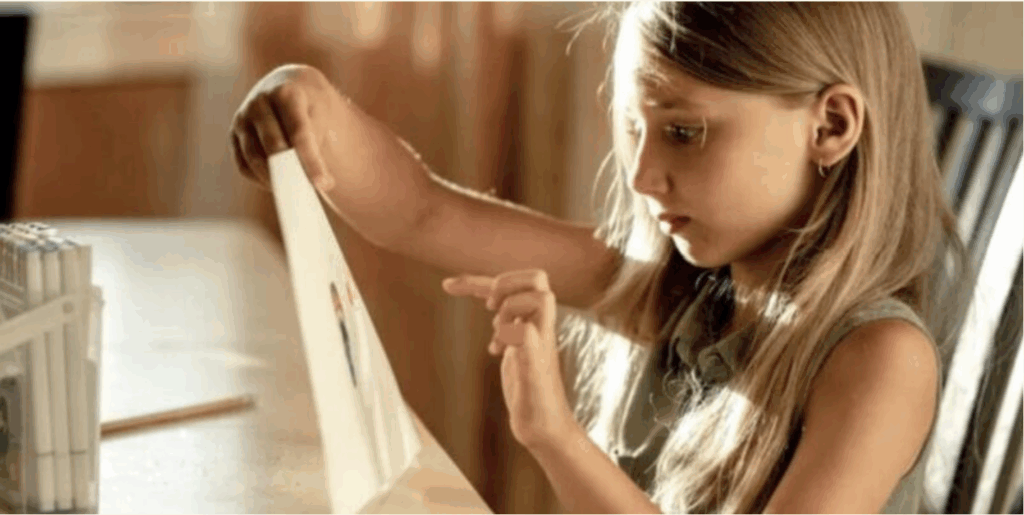
My granddaughter was coming to town to study, so one quiet Sunday evening around the family table, I said a sentence I would later wish I had kept to myself:— She can stay with me. I have space. Downtown, no rent.
If I had known where this kindness would lead… maybe I would have bitten my tongue in that moment. But how could I have imagined it? I just wanted to help.Emilia was accepted into the School of Education.
My daughter, Sophie, called me in July, excited. I immediately thought practically: I have two rooms, a large kitchen, a bathroom renovated three years ago. Why should she rent a tiny room with high rent when Grandma lives so close?
Sophie felt relieved. Emilia… thanked me politely.— Thank you, Grandma. Perfect.That word… “perfect.” Polite, but without warmth. But who analyzes the tone of a nineteen-year-old girl?
On September first, she arrived with suitcases, boxes, and a life that had just begun. I prepared her room as nicely as I could: clean sheets, a desk lamp, an empty shelf for her books. I even put a small vase with fresh flowers. On the first day, I made chicken soup.
We sat together at the table. We talked about classes, teachers, schedules. The house, which had been silent for years after Adrian’s death, was filled with life again. For the first time in a long while, I cooked “for two.”
The first month passed quietly. Almost quietly. Emilia came home late, but kept me informed. She didn’t eat breakfast — I left sandwiches for her, which usually ended up in the trash. I said nothing. Young people have their own rhythm.
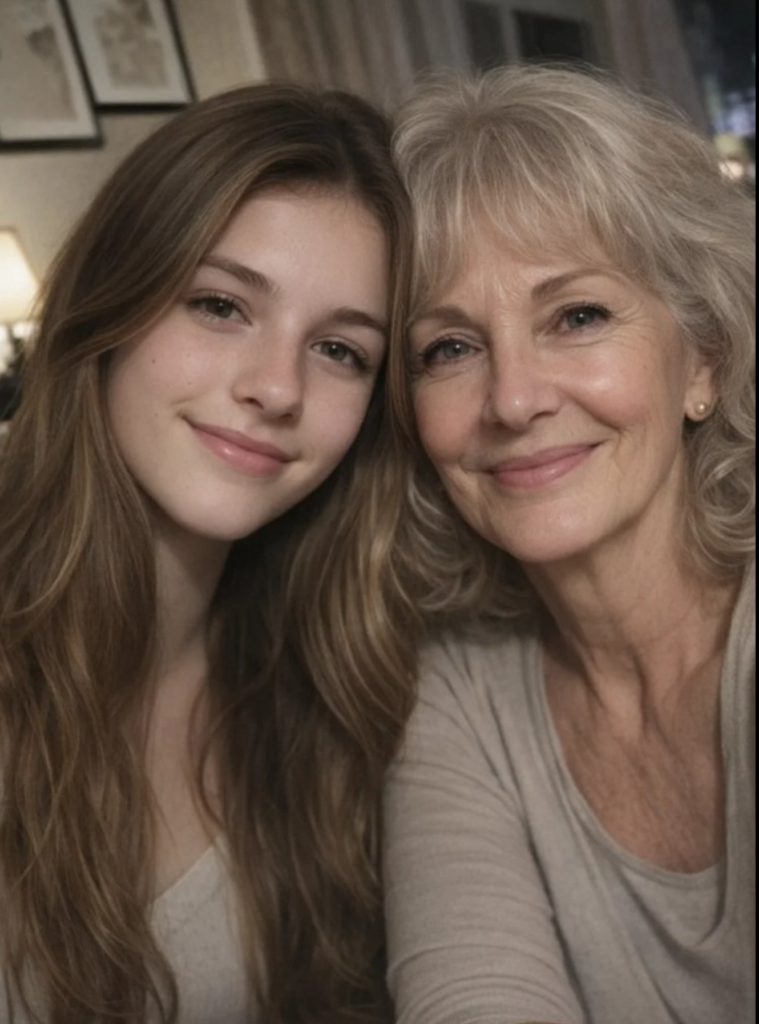
Then the little things started: dishes in the sink until the next day, music late at night — not loud, but enough that I couldn’t fall asleep.— Grandma, I’ll clean it up. Give me a little time.
The “little time” usually ended when I washed them myself. I didn’t want to become a nagging grandma. I remembered very well my own mother-in-law, who counted every crumb when I was young. I didn’t want to do the same.
I kept my distance. I didn’t enter her room without reason. I didn’t ask who she was talking to at midnight. Only one thing I did: once a week I opened the window to let it air out. I didn’t touch anything. I had done that for forty years in that room.
At the end of October, coming back from the cemetery, I went to open the door. It wouldn’t open. And then I saw it: a new lock. In my own house.I called Emilia.— Oh, Grandma. I bought a new cylinder. I wanted a little privacy. That’s normal, right?
I stood in the hall, phone in hand.— Give me a spare key.— Why do you need a key to my room?— It’s my house, Emilia. I’ve lived here for forty years.— I know. But I live here. People have the right to personal space.
I called Sophie. I waited for her to back me up.— Mom, don’t overreact. She’s an adult. In their generation, this is normal.— I don’t want to go through her things. But I have the right to a key to my own home.
— Then maybe you shouldn’t have invited her if you weren’t ready for the terms.I spent hours in the kitchen with a cold cup of tea.In the following weeks, the door remained locked even when she was out. I cooked — sometimes she ate, more often she didn’t.
— Grandma, I’m tired. We’ll talk later.In December, I calmly said:— After exams, I want you to find another place to stay.It wasn’t anger. It was something deeper. The need to feel like the hostess in my own home again.
Shortly after, Emilia found a room in a student dormitory and left. No shouting, no drama. Just silence.When she closed the door behind her, the house became quiet again. I changed the lock, opened the windows, letting the cold air fill the rooms. Then I made tea. One cup. As always.
And in that silence, I realized something important: sometimes, to maintain respect — for yourself and for others — you mustn’t keep people close by force. At the right moment, you have to take back your little home. And yourself, who lives within it.