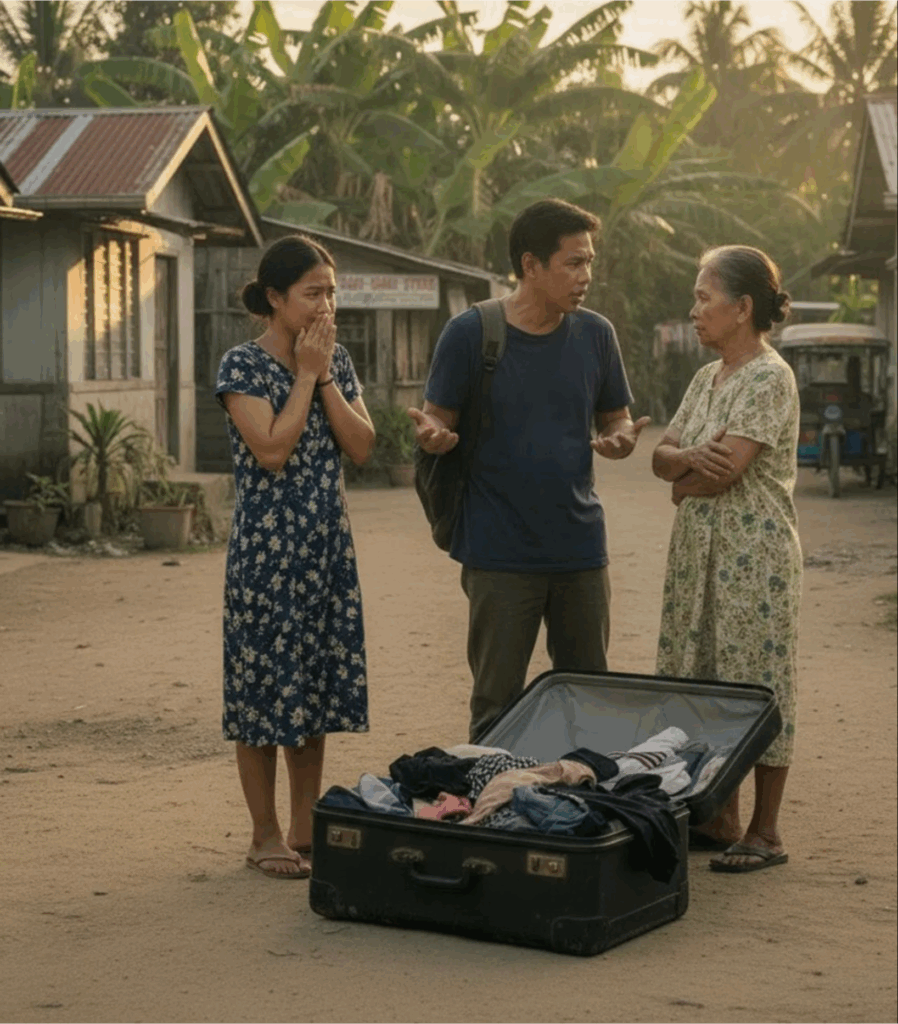
The first time my parents met Jordan, my mother’s smile came too quickly—too practiced.
“Oh,” she said.
Just one word, but it carried everything she didn’t say out loud.
Jordan didn’t react. His hand simply tightened around mine under the table. He had spent a lifetime learning how to read people before they spoke—the hesitation, the pity, the quiet judgment disguised as politeness.
My father recovered first, leaning back with a forced chuckle. “Well, you didn’t mention he was… shorter than expected.”
Jordan smiled calmly. “Most people don’t expect me.”
I should’ve understood then what the next years would be like.
Jordan had achondroplasia. He was just over four feet tall. But people never saw past that first detail.
They didn’t see his intelligence, his patience, his quiet strength, or the way he made people feel understood without trying.
My parents saw none of it.
To them, appearance was everything.
My father ran a luxury furniture company where reputation mattered more than truth. My mother lived for appearances—galas, country clubs, polished conversations that sounded perfect but meant little.
Jordan didn’t fit their world. He was an orphan, raised in foster care and group homes. It didn’t matter that he graduated top of his architecture class.
It didn’t matter that he built his own firm from nothing. It didn’t matter that he loved me better than anyone ever had.
To them, he was still “less.”
At our wedding, my father made sure everyone understood his opinion. Glass raised, smile wide, he said, “Marriage is about compromise. And Emily has certainly shown she understands that.”
A few polite laughs followed.
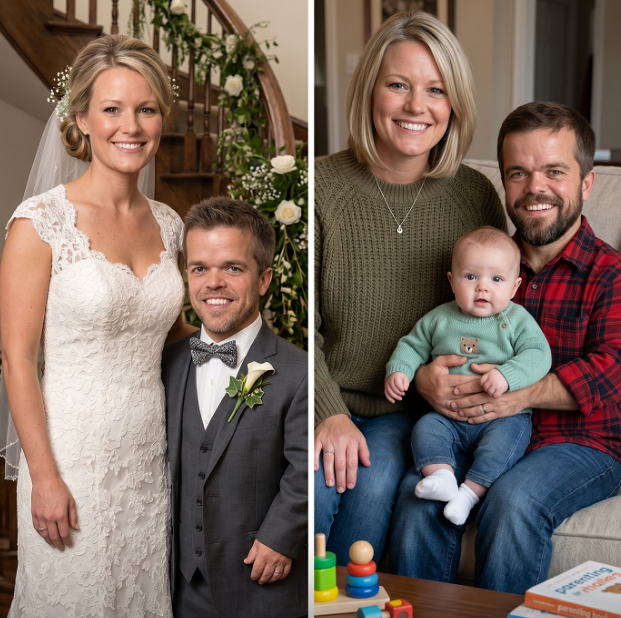
Then his gaze landed on Jordan. “Let’s just hope their future children can reach the dinner table.”
The room went silent.
Jordan didn’t react. He simply raised his glass. “To family.”
That was who he was—he didn’t answer cruelty with cruelty.
Later that night, I found him outside alone under the lights. I told him he didn’t deserve it. He only said, “People always reveal themselves.”
And then, softer, “Don’t apologize for wounds you didn’t cause.”
Over the years, nothing changed in my parents’ behavior.
Holiday dinners came with jokes at Jordan’s expense. My father asking if he needed a booster seat. My mother gifting him child-sized clothing as a “mistake.” Relatives laughing too loudly at things that weren’t funny.
Jordan never reacted. Always polite. Always composed.
And somehow, that restraint annoyed them even more.
Because they wanted a reaction.
Eventually, I started seeing them less. Making excuses. Choosing distance.
Jordan never asked me to cut them off. He only said, “Protect your peace.”
Meanwhile, his career grew quietly but steadily. His architecture firm focused on accessible housing, schools, clinics, and community spaces. While others chased prestige, he built places that actually served people.
His success didn’t announce itself—it accumulated.
By our twelfth anniversary, his company had offices in three states and had secured a major city redevelopment contract.
That was when my parents’ life began to collapse.
Bad investments. Hidden debt. Lawsuits. One failure followed another until everything they built on image fell apart.
First the cars went. Then the vacation house. Then the silence of pretending everything was fine.
Until one evening, they came to our door.
Jordan opened it, and there they were—smaller, older, stripped of certainty.
My mother asked if they could come in. Jordan let them in without hesitation.
They talked for hours. Stress. Bad luck. Financial pressure. Not once did they apologize. Not once did they acknowledge the past.
Finally, my father mentioned Jordan’s firm and asked for help. My mother said twenty thousand dollars.
I almost laughed. Not at the number, but at the irony.
Jordan stood up and went to his office.
When he returned, he placed a signed check on the table for the full amount.
But he didn’t let go of it immediately.
He said there was one condition.
The room froze.
The condition was simple: truth.
He told them they would face their family and admit what they had done over the years—the jokes, the humiliation, the way they treated him and justified it as humor.
My father called it embarrassment. My mother called it unnecessary.
Jordan called it accountability.
After a long silence, they agreed.
On Sunday, relatives filled the apartment, confused and uneasy.
My father stood first and admitted everything—mocking Jordan, belittling him, judging him, and failing as a person in the process.
My mother followed, voice shaking, admitting she cared more about appearances than decency, and that she had been wrong.
For the first time, the mask cracked in front of everyone.
Afterward, my father returned the check quietly. Jordan still gave it to them.
My mother asked why.
Jordan said kindness doesn’t depend on whether someone deserves it.
Months passed. Slowly, things changed.
My father stopped making jokes altogether. My mother began volunteering at a children’s shelter after learning more about Jordan’s upbringing. Every Sunday, they came to dinner.
One evening, I saw my father watching Jordan on the floor helping our niece fix a broken dollhouse. Careful hands. Patient focus. Quiet warmth.
After a long silence, my father spoke.
For years, he had called Jordan “half a man.”
Now his voice shook as he said he had never met a stronger one.
Jordan looked up and simply said, “People only see what they’re ready to understand.”
And this time, they finally did.