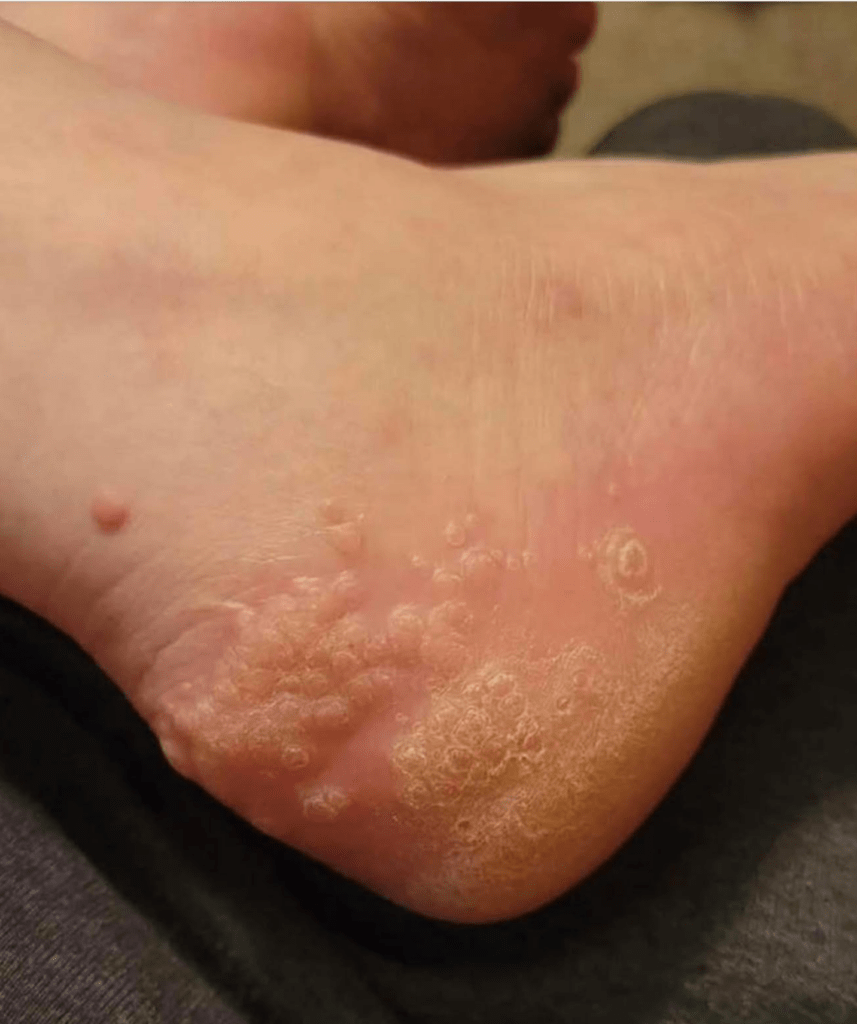
Have you ever put on a pair of used shoes and suddenly noticed a small yellow bump on your toe? At first, it can feel uncomfortable and a little worrying, but in most cases, it’s completely harmless. The yellow bump is usually a corn or callus – the body’s way of protecting the skin from repeated friction and pressure.
It’s as if the skin is saying, “This rubs too much; I need to build a protective layer.”Why does it happen?Used shoes are classic culprits. They are already shaped to someone else’s foot and rarely fit your own perfectly. This can create small pressure points, stiff seams, or worn areas that rub against your toes.
The result is irritation, and the body responds by forming thicker skin – what we see as a yellowish bump.The most common causes are friction and pressure. Friction happens when the toe rubs against tight or stiff parts of the shoe, while pressure comes from shoes that squeeze the toes – especially the big toe or little toe.
The skin reacts by forming a hard, raised bump that is often yellow in color because it consists of dead skin cells, called keratin. Hard corns are often on the top or side of the toes and may have a central “core” that is very painful when pressed, almost like stepping on a small stone.
Other, less common causes, In some cases, similar bumps may be caused by other factors. Blisters can form due to intense friction and fill with fluid, sometimes yellowish if infected. Fungal infections are also a risk, especially if shoes are used and not hygienically safe.
Fungi can cause athlete’s foot or nail infections, often showing as itching, redness, peeling skin, or yellowed nails.Why used shoes are extra tricky, Used shoes carry two main risks. First, they are already shaped to someone else’s foot, making uneven pressure points almost guaranteed.
Second, hygiene may be poor, increasing the risk of irritation and infection. In short, what was comfortable for someone else can become problematic for you.How to get rid of the yellow bump, Most corns can be treated at home with simple measures. The first step is to change your shoes.
Stop wearing those that cause problems and choose shoes with a roomy toe box and good cushioning. Comfort is key – your feet need space and support.Next is soaking and gentle filing. Soak your feet in warm soapy water for 10–20 minutes, then gently file away excess hard skin with a pumice stone.
Never cut into the skin yourself, as the risk of infection is high.To reduce friction, you can use corn pads, moleskin, or gel cushions to protect the toe from pressure points. Moisturizing your feet is also important – creams with urea soften hard skin and make it less prone to cracking.
Over-the-counter salicylic acid pads can gradually dissolve corns, but use them carefully according to instructions.If the bump becomes red, swollen, oozing, or does not go away after a few weeks, see a podiatrist or doctor. They can safely treat it and check if an underlying issue, such as a crooked big toe or bone spur, is causing the problem.
Preventing future problems with used shoes, There are several ways to prevent yellow bumps from forming again. Clean and disinfect shoes thoroughly before use, preferably with an antifungal spray. Wear socks to reduce friction and moisture, and break in new shoes slowly to give your feet time to adjust to their shape.
Choose breathable materials that keep feet dry and comfortable, and make sure the size really fits.With these measures, you can reduce the risk of irritation and corns, allowing your feet to comfortably wear used shoes. The yellow bump is basically the skin’s way of signaling that something rubs too much
– if you listen, adjust the shoes, and take care of your feet, the problem often disappears quickly.With proper care, you can continue wearing your shoes without discomfort. Give your feet the attention they deserve, and they will thank you with flexibility, comfort, and pain-free movement.