Eggs: Small, Powerful… and Often Misunderstood.The egg is one of nature’s most complete foods. Inside a simple shell, you get high-quality protein,
essential vitamins, important minerals, and a level of satiety that few foods can match. That’s why eggs have earned their place at breakfast tables around the world — and why they’re often the first choice after fasting.
But here’s the catch: how you store, handle, and cook eggs can make a big difference. The wrong habits can reduce nutrient absorption, increase bacterial risk, and even affect how your body responds to them.
The good news? A few simple changes can help you get the most from every egg you eat.🥚 How to Tell if an Egg Is Fresh
There’s a classic kitchen test that still works perfectly:Fill a glass with waterGently place the egg insideSinks and lies flat → Very fresh
Stands upright → Still usable, but olderFloats → Too old — discardWhy this works: as eggs age, they lose moisture and gain air inside, which makes them float.
🚫 Why You Shouldn’t Wash Eggs Before Storing ThemIt feels logical to wash eggs — but it can actually make them less safe.
Egg shells have a natural protective coating (sometimes called the cuticle or bloom). Washing can remove this layer, allowing bacteria to pass through the shell’s tiny pores.
Food safety guidance also recommends storing eggs unwashed in the refrigerator and keeping them in the carton, ideally on a shelf rather than the door where temperatures fluctuate.
Best habit:Store eggs unwashedWash only right before using (if needed)⚠️ The Truth About Raw EggsRaw eggs have been popular in fitness culture — but they come with two major downsides.
1️⃣ Lower Protein Absorption.Your body absorbs protein from cooked eggs far better than from raw ones. Research suggests around 90% absorption from cooked eggs vs about 50% from raw eggs.
Cooking changes the protein structure, making it easier for your body to digest and use.
2️⃣ Biotin Absorption Problems.Raw egg whites contain avidin, a protein that binds to biotin (vitamin B7) and prevents your body from absorbing it. Cooking neutralizes avidin.
Biotin supports:Nervous system functionSkin and hair healthEnergy metabolism3️⃣ Salmonella Risk.Raw eggs can contain
Salmonella bacteria, which can cause vomiting, diarrhea, dehydration, and serious complications in vulnerable people. Cooking eggs kills this bacteria.
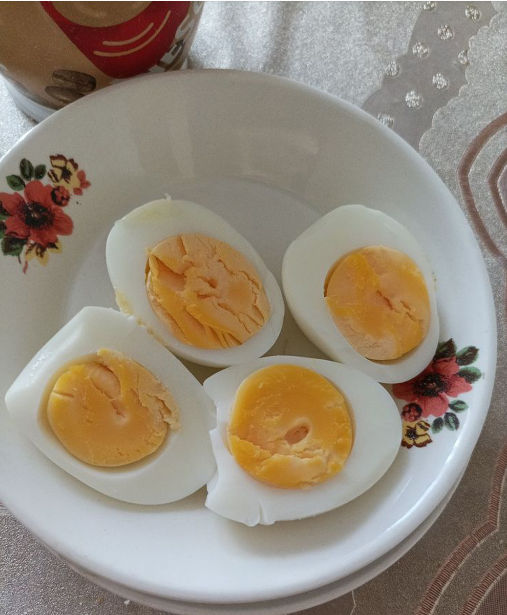
🌈 Why Yolk Color Changes.Darker yolk ≠ more naturalLighter yolk ≠ less healthyColor mostly reflects the hen’s diet (corn, grass, or carotenoids produce deeper orange yolks). Nutritionally, both are excellent.
🍳 Smart Egg Cooking Tricks.Easy Peeling Trick.After boiling → place eggs in ice water → crack at the air pocket end → peel easily.
Prevent Cracking While BoilingAdd salt or a little vinegar to the water — it helps whites coagulate quickly if cracks form.Why Fresh Eggs Are Hard to Peel
Very fresh eggs stick to the shell more. Eggs a few days old peel more easily.🥑 Best Ways to Cook Eggs.Great options:✔ Boiled✔ Scrambled✔ Grilled / pan-cooked
If using fat, choose stable options:Olive oil (moderate heat)Avocado oilGhee (occasionally)🥪 Safe Homemade Mayonnaise (No Raw Egg Risk)Ingredients
1 hard-boiled eggOil (or avocado for a lighter version)Lemon juiceMustardSaltGarlic (optional)PreparationBlend everything until smooth and creamy.
Storage.RefrigerateUse within 3–5 daysDiscard if smell, color, or texture changes.⭐ The Bottom LineEggs are nutritional powerhouses — but only when handled properly.
Store them correctly.Avoid eating them raw.Cook them safely.Do that, and you get one of the most affordable, nutrient-dense foods available — simple,satisfying, and incredibly versatile.