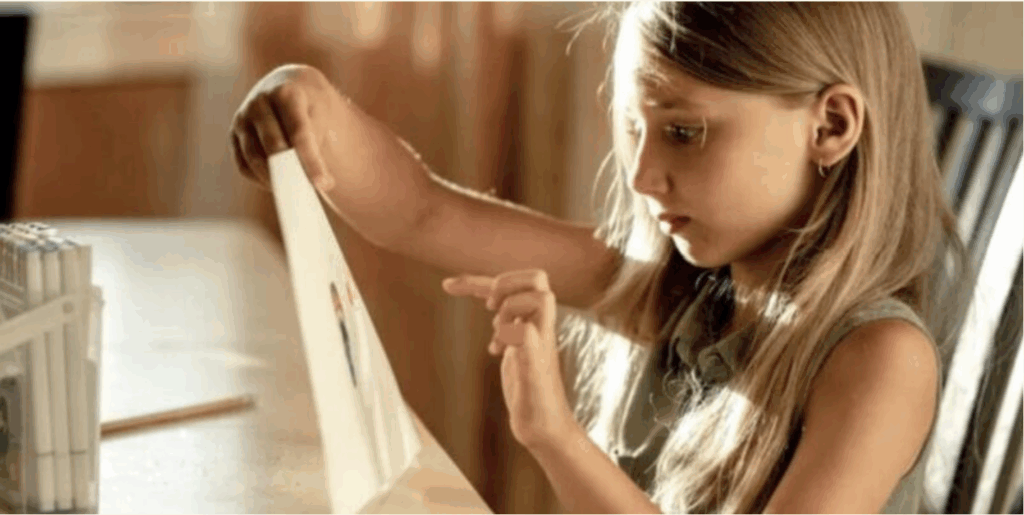
Loud laughter from Inga cut through the soft murmur of the guests. Jaroszlava froze, holding the heavy metal tray. The uniform’s collar pressed uncomfortably against her skin again, while the scent of freshly baked pie and greasy meat mingled in the room, almost nauseatingly.
Just three years ago, Jaroszlava would have been sitting at one of the round tables, under thick linen tablecloths. Then everything fell apart: her father’s construction business went bankrupt. He couldn’t bear the failure and died shortly afterward, leaving his daughter with endless calls from creditors and a sick younger brother,
Denisz, who had serious health problems. Jaroszlava spent every shift on her feet, carrying trays of dirty glasses—the expensive medicines that kept her brother alive and provided him proper medical care.In the center of the spacious hall of the rural club stood an old concert piano.
Leaning casually against the back of a bench next to it was Róman—the owner of the city’s largest shopping mall chain. One hand slowly traced the keys as Inga, the local socialite, watched Jaroszlava with obvious displeasure.The guests started giggling. Jaroszlava quietly set the tray down on the edge of the buffet.
The glasses’ stems chimed softly.“Your rhythm slipped in the small octave,” she said calmly, eyes on Róman. “You’re playing mechanically. As if you were punching in a terminal PIN code, not jazz.”Suddenly, the room fell silent. Inga theatrically raised her hand.
“Róma, do you hear this? The waitress is teaching you music! Fire her immediately!”But Róman just signaled the security to step aside. He slowly looked up at Jaroszlava. There was none of the usual arrogance of a wealthy man. Only a cold, calculating gaze, accustomed to risks. He measured her pale blouse, her hair tied in a bun.
“So, I play like a terminal?” he said softly. “And you, I see, are the expert.”“I studied at the conservatory for seven years,” Jaroszlava lifted her chin.Róman’s lips curved slightly.“‘Play four hands with me—I’ll marry you!’” he mocked, watching her blush. “But let’s be realistic.
If you sit and play in a way that surprises me, you get a generous tip. If not… you’re out, and no decent place will hire you again.”“I accept the bet,” Jaroszlava replied, her voice steady. “But I don’t need your alms. If I win, you pay fully for my brother’s treatment.”
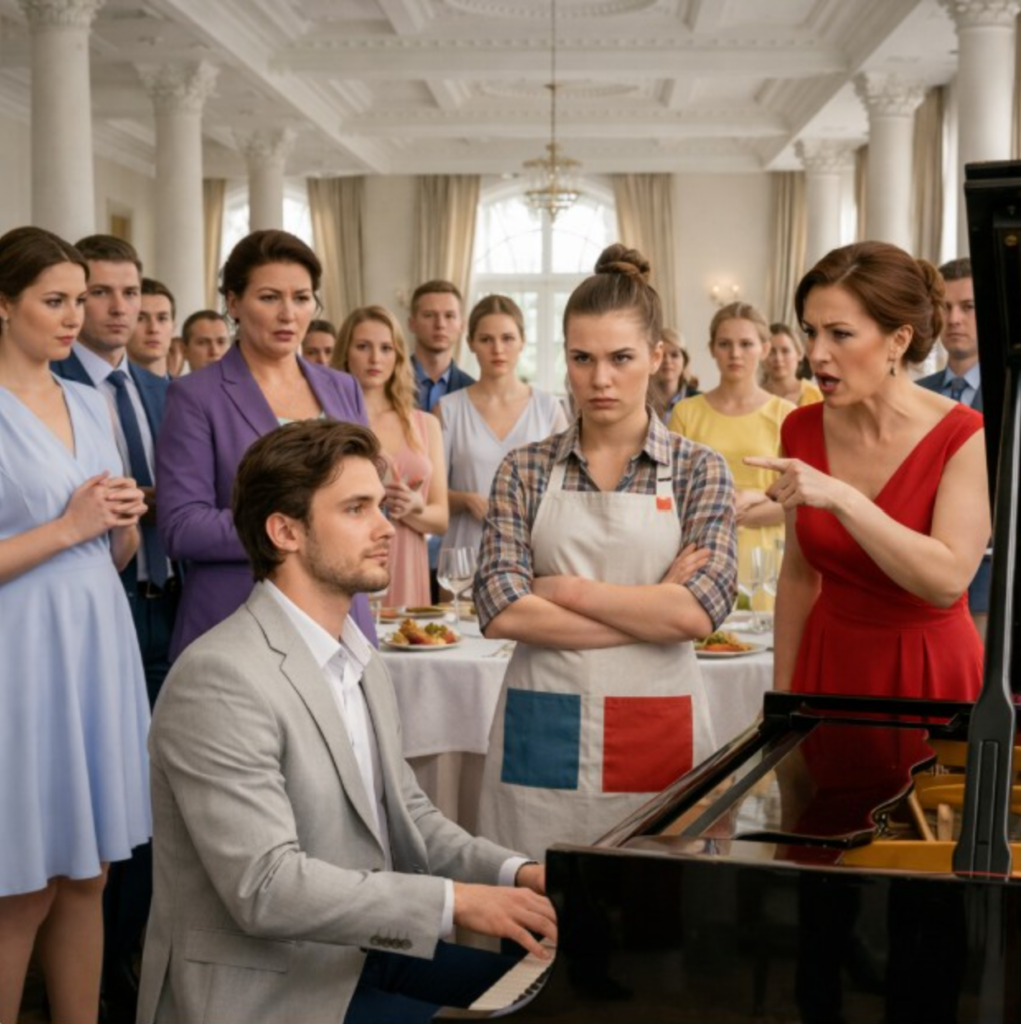
Róman squinted; the game had become serious. The desperation in her eyes left no room for retreat.“Sit down,” Róman gestured, pushing the chair aside.Jaroszlava sat beside him. Róman’s confidence was almost palpable. He took a deep breath and struck the bass, giving an aggressive, broken tempo.
Her fingers followed the keys effortlessly. She didn’t hesitate, didn’t falter. Every movement carried anger at injustice, months of exhaustion, and fear for her brother.They ended on the last chord simultaneously, pressing heavily on the pedal. The sound lingered under the high ceiling of the club.
A distant corner erupted in applause. Inga’s face twisted. Jaroszlava quietly stood, pulled out her notebook, tore out a page, and wrote down an account number:“This is the account number,” she placed it on the piano edge. “Goodbye.”
She had almost reached the kitchen door when Róman caught up with her in the hallway.“I’ll see you tomorrow at ten in the central office,” he handed her a business card. “I’ll pay everything. You’ll work off the amount in my archives. I need people who read the fine print.”
The next day, Jaroszlava stood in front of the massive glass building. She wasn’t made a secretary. Róman was pragmatic: she was sent to the archives to organize papers. For three months, she moved boxes, checked old budgets. Her back ached, her eyes watered. But her prior experience at her father’s company now proved valuable.
She discovered irregularities: double accounting entries, excessive commissions for certain contractors.One evening, when only the security guards remained, Róman appeared at the archive door, collar undone, no tie.“Looking for mistakes in my papers?” he approached the desk.
“Trying to understand why you paid almost twice as much for concrete three years ago,” Jaroszlava rubbed her tired eyes.He pulled up a chair, and they worked together over spreadsheets until three in the morning. That night, Róman first saw Jaroszlava not as a cheeky waitress, but as a sharp, talented mind.
In the following weeks, Denisz Szojmovics launched a dirty campaign, but thanks to Jaroszlava’s analysis, Róman’s business survived. At the board meeting, she calmly laid down the stack of documents, recognized the patterns, and immediately uncovered the connection: Denisz had been stealing from Róman for years.
Time passed. They stood on the veranda of Róman’s country house, snow falling quietly. Jaroszlava wrapped herself in a thick wool blanket.“You’re officially the head of the analytics department,” Róman stepped behind her, embracing her shoulders. “But I have another offer too.”
He pulled out a velvet box and held it out.“Marry me, Jásza.”Jaroszlava looked at the simple ring, then at Róman’s face.“Alright,” she smiled. “But Denisz has good news too: he can return to a normal school soon. And your strict office on the second floor will have to be turned into a children’s room.”
Róman paused, processing the words, then carefully turned and pulled her into a tight embrace. Together, they continued to build their life step by step, immune to gossip or envy.