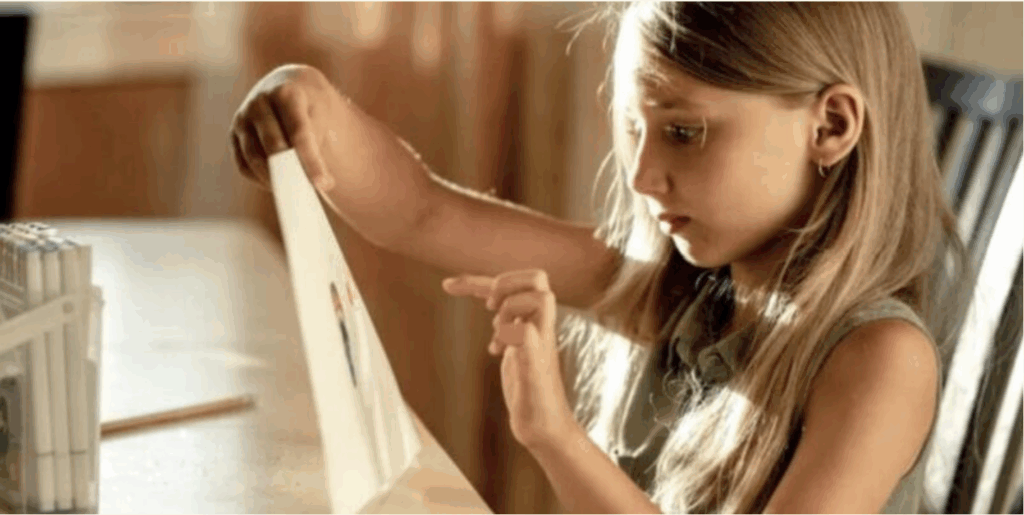
Chapter 1: Structural Failure.The phone rang at exactly 2:14 p.m., its sharp, almost aggressive sound slicing through the calm monotony of the Monday afternoon at the construction site. It felt foreign in this environment,
a place usually ruled by the metallic clang of steel, the deep groan of cranes, and the relentless whistle of the wind sweeping between unfinished floors.David Vance, a forty-year-old lead architect, stood motionless on the twenty-second floor of the rising steel frame of a future bank building.
His hard hat cast a shadow across his focused face as his eyes remained fixed on a single weld joint. Something was wrong. A deviation barely visible to the untrained eye, a hairline imperfection that most would dismiss as insignificant.
But David knew better. Tiny flaws, when ignored, had a way of growing into catastrophic failures.His world was not built on emotions. It was built on forces—tension, compression, load distribution.
If everything was calculated correctly, if balance was maintained, a structure could endure time, storms, and even human error. If it wasn’t, collapse was inevitable.The phone vibrated again in his pocket.
David exhaled sharply in irritation. Probably the contractor. Or an engineer questioning why a calculation needed to be redone for the third time. He reached for the phone just as the call dropped, only to ring again immediately.
“Dad…” came a familiar voice from the other end, yet so altered it was almost unrecognizable. “I came home… and I saw Mom with Uncle Ted… He locked me in… wouldn’t let me out… I had to jump from the third floor to get away.”
The boy’s voice shook, words breaking apart as if each one required effort beyond his strength. Fear clung to the sound, thick and unmistakable. David froze. His mind resisted the meaning of what he was hearing, rejecting it as if denial alone could make it untrue.
“Leo?” he whispered hoarsely, but the line went dead.Before he could react, the phone rang again.“David Vance?” a woman’s voice asked, breathless and frantic.“Yes… this is him.”“We don’t know each other. My name is Karen. I found a boy at the end of my garden.
He says his name is Leo. He’s hurt—badly. Please come right away.”The blueprints in David’s hands slipped free and vanished soundlessly into the dark shaft of the elevator well below. In that instant, something else fell with them—the sense of stability he had always believed his life was built upon.
He couldn’t remember how he got down from the twenty-second floor. Couldn’t recall getting into his car. The Volvo’s engine roared to life, and he drove on instinct alone, as though something primitive had taken control.
His heart hammered wildly, like a trapped bird, while he maneuvered with surgical precision through traffic, ignoring horns, red lights, and every rule he had once respected. In that moment, there were no laws—only one objective: reaching his son.
He skidded to a stop at the intersection of Elm and Sycamore Streets. A woman in sweatpants was kneeling beside a hedge, waving desperately.“Here! He’s here!”David stepped out of the car, and then he saw Leo.
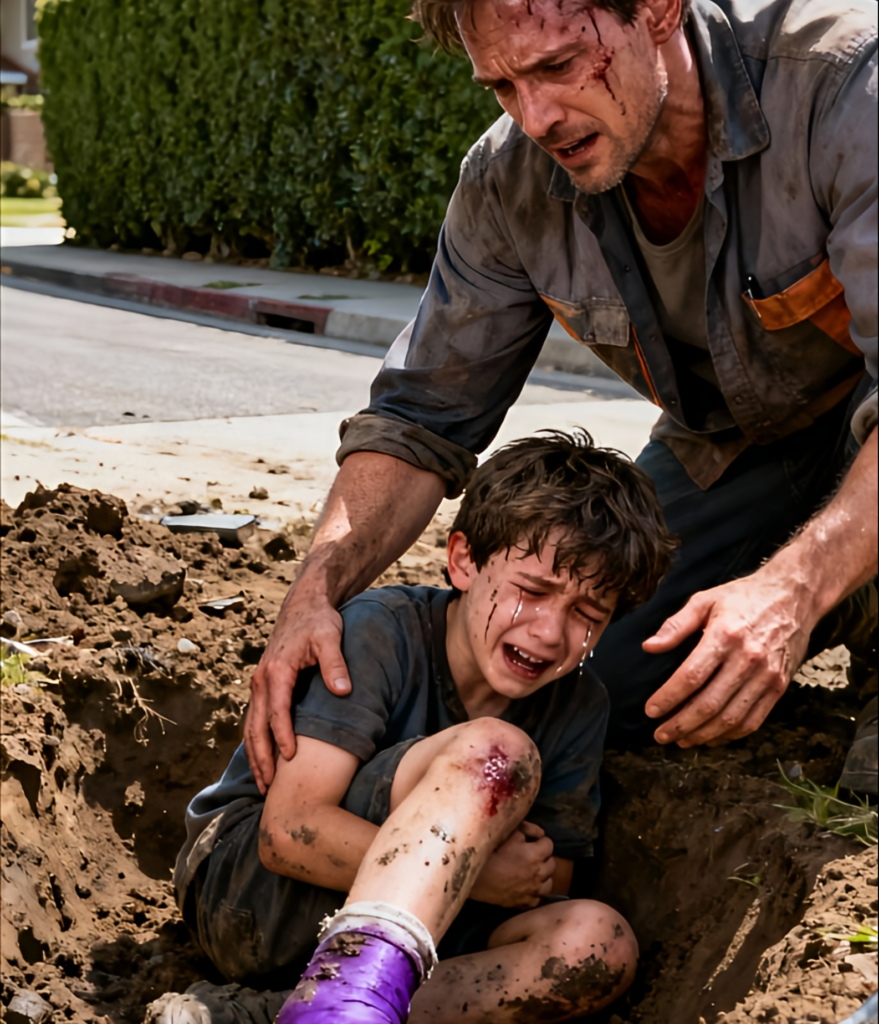
The boy lay curled behind a cluster of hydrangea bushes, folded in on himself as if trying to disappear into the earth. He looked like a broken doll—clothes torn and muddy, grass clinging to his skin. His face was pale and smeared with dirt, his eyes wide and glassy with shock.
Then David’s gaze dropped to his leg.Leo’s left ankle was grotesquely swollen, bruised in deep shades of purple and blue. His foot lay at an unnatural angle. David’s stomach clenched. He knew what that meant. He understood exactly what kind of force it took to damage a body that way.
“Dad…” Leo whispered faintly.David knelt beside him with extreme care, as though approaching an unstable structure that might collapse at the slightest disturbance. He didn’t touch the leg. One wrong movement could make everything worse.
“I’m here. You’re not alone anymore,” he said softly, brushing his son’s hair back. His fingers came away streaked with blood from a cut on Leo’s forehead.His eyes scanned Leo’s body quickly and methodically—scrapes along the arms, bruising on the shoulder, a torn shirt.
He cataloged every injury the way he would assess structural damage after an incident.Then he saw the wrists.Red fingerprints stood out vividly against the pale skin. The marks of a strong grip. This wasn’t from a fall. This wasn’t an accident.
“Leo… what exactly happened?” David asked, forcing his voice to remain steady.“He locked me in… put a chair against the door… wouldn’t let me out…” Tears slid silently down Leo’s cheeks. “He said if I spoke again… it would be over… It was dark… I couldn’t breathe…”
Ted’s face flashed before David’s eyes. The man he had trusted without question for twenty years. The friend who laughed with him on golf courses, who sat at his table on Sundays, who was practically family. And now—now David saw a monster.
This wasn’t a misunderstanding. It wasn’t confusion or chance. It was deliberate, calculated violence against a child.David felt something inside him finally give way. Like a poorly designed building subjected to too much load, the internal supports of his life—trust, safety, faith in people—fractured beyond repair.
This was his structural failure.