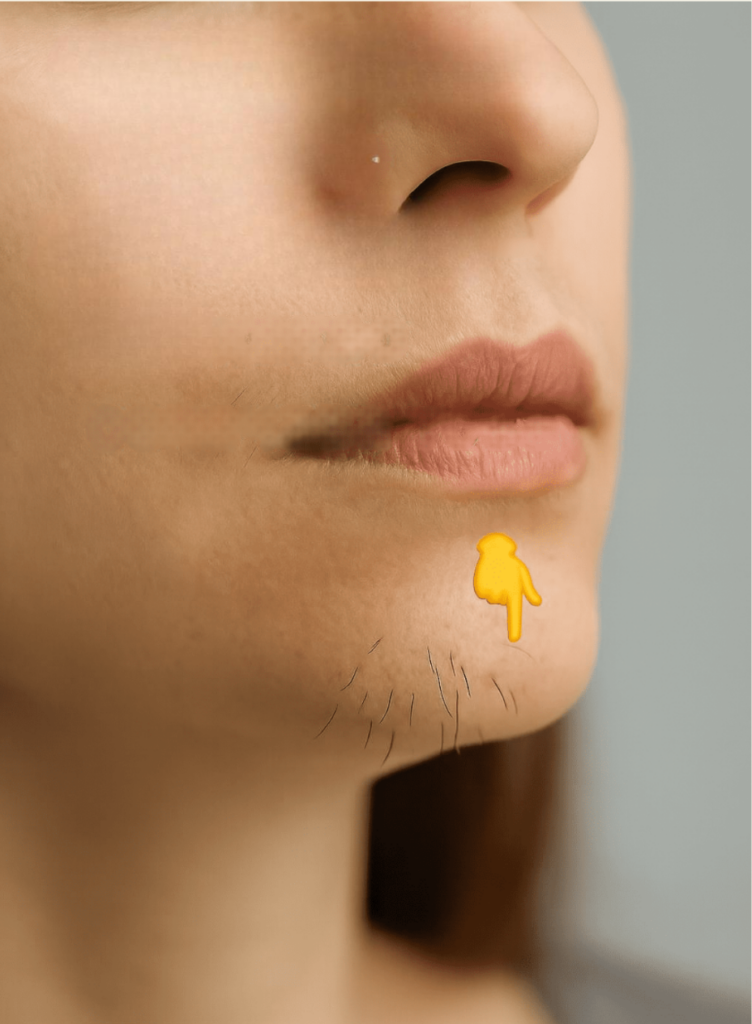
What Do Stiff Chin Hairs Mean in Women? A Medical Explanation from Doctors
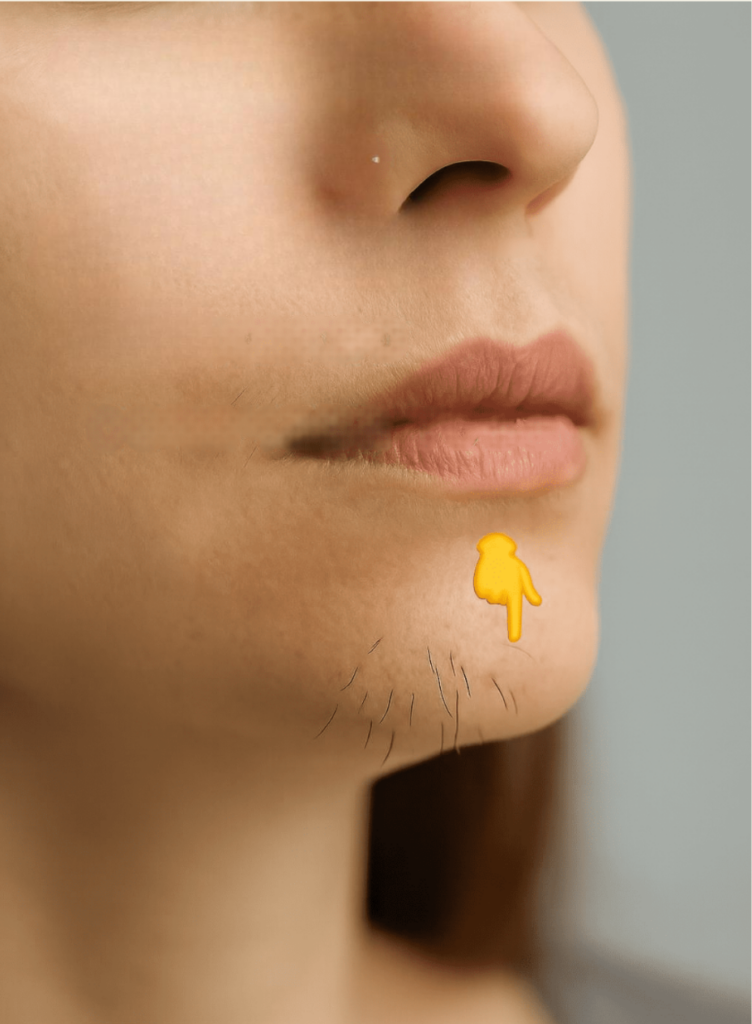
The appearance of stiff, dark, coarse hairs on the chin is a common concern among women of various ages. While often perceived as a purely cosmetic issue, medical professionals emphasize that this type of hair growth can be a visible sign of underlying hormonal
or metabolic changes within the body. In many cases, it serves as an external indicator that warrants closer attention rather than simple removal.
Understanding why these hairs develop, what conditions may be associated with them, and when medical evaluation is recommended can help women make informed decisions about their health.
Understanding Female Facial Hair Growth All women naturally have facial hair. Under normal conditions, this hair is light, fine, and barely noticeable. However, when hormonal signals change, certain hair follicles—especially those on the chin,
jawline, and upper lip—can become more sensitive to androgens (male sex hormones). As a result, fine hairs may transform into thicker, darker, and more rigid strands.This process is medically known as hirsutism when hair growth follows a male-pattern distribution and becomes excessive or persistent.
1. Hormonal Imbalance – The Primary Cause: The most common cause of stiff chin hairs in women is elevated androgen levels or increased sensitivity of hair follicles to these hormones. Androgens, such as testosterone,
are present in women in small amounts and play important roles in bone health, libido, and muscle strength. Problems arise when levels become too high or when the body reacts excessively to normal levels.
Hormonal imbalance may develop gradually and can be influenced by:Stress and cortisol fluctuationsWeight changes and insulin resistancePuberty, pregnancy, or menopauseGenetic predisposition
Doctors often consider chin hair growth a warning sign when it is accompanied by:Irregular or absent menstrual cyclesAcne that persists into adulthoodOily skinThinning scalp hair
2. Polycystic Ovary Syndrome (PCOS): One of the most frequent medical conditions linked to coarse chin hair is Polycystic Ovary Syndrome (PCOS). This endocrine disorder affects millions of women worldwide and is characterized by hormonal imbalance, ovulatory dysfunction, and increased androgen production.
Women with PCOS may experience:Coarse facial or body hairDifficulty regulating menstrual cyclesWeight gain, particularly around the abdomenAcne and skin changesFertility challenges Early diagnosis is important,
as untreated PCOS can increase the risk of insulin resistance, type 2 diabetes, and cardiovascular disease.
3. Menopause and Age-Related Hormonal Shifts: As women age, especially during perimenopause and menopause, estrogen levels decline more rapidly than androgen levels. This creates a relative androgen dominance, even if testosterone levels remain within the normal range.
As a result, many women notice:New chin or jawline hairsSlower hair removal regrowth cyclesSkin texture changesDoctors consider this a common and usually non-dangerous process, but sudden or excessive hair growth should still be evaluated.
4. Adrenal and Thyroid Disorders: In rarer cases, stiff chin hairs may be linked to disorders of the adrenal glands or thyroid dysfunction. The adrenal glands produce androgens, and abnormalities—such as adrenal hyperplasia or tumors—can cause excessive hormone release.
Thyroid disorders may indirectly affect hair growth by altering metabolism and hormonal balance. Additional symptoms often include fatigue, unexplained weight changes, and mood disturbances.
5. Medications and External Factors: Certain medications can influence hormone levels or hair follicle activity, including: Hormonal contraceptives Steroids Some antidepressants Medications affecting insulin or cortisol
Lifestyle factors such as chronic stress, poor sleep, and extreme dieting may also contribute to hormonal instability.When Should You See a Doctor?Medical evaluation is recommended if chin hair growth:
Appears suddenly or worsens rapidlyIs accompanied by menstrual irregularitiesOccurs with acne, voice changes, or hair lossCauses emotional distress or affects self-confidenceDoctors may recommend blood tests to measure hormone levels, ultrasound imaging, or referral to an endocrinologist or gynecologist.
Treatment and Management OptionsTreatment depends on the underlying cause and may include:Hormonal regulation therapyLifestyle and dietary adjustmentsTreatment of insulin resistance
Dermatological hair-removal methods alongside medical care Addressing the root cause is essential—cosmetic solutions alone do not resolve hormonal imbalance.
Conclusion: Stiff chin hairs in women are often more than a cosmetic inconvenience. They can serve as an important signal of hormonal shifts, metabolic changes, or endocrine conditions. While many causes are manageable and not dangerous,
early recognition and medical guidance play a crucial role in protecting long-term health. Listening to your body—and seeking professional advice when changes occur—is a key step toward both physical well-being and confidence.