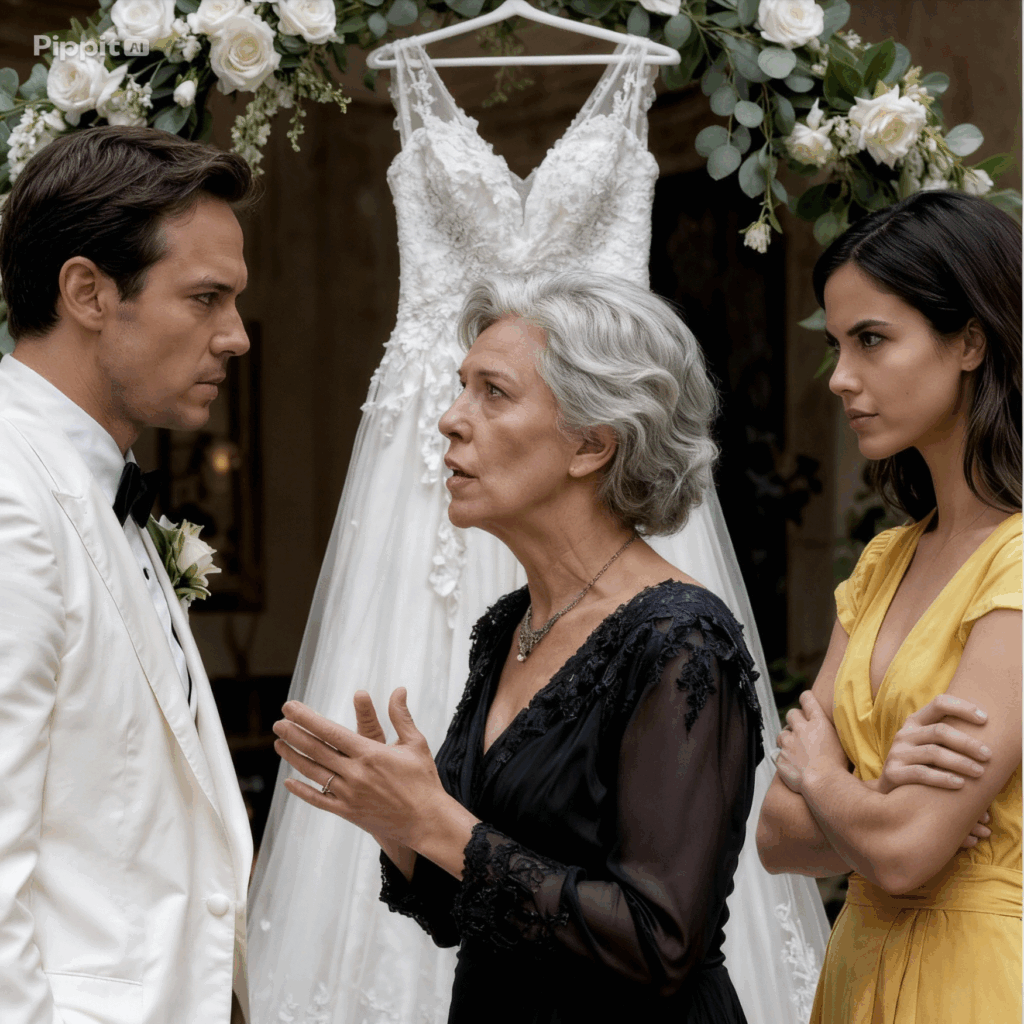
When my late husband’s best friend asked me to marry him, I thought I had already survived the hardest part of grief. I believed I had endured the worst: the sleepless nights filled with panic, the mornings when getting out of bed seemed impossible,
and the hollow emptiness that spreads inside you when you realize someone who was your “always” will never return. So I said yes. I thought it was a thoughtful, mature decision. I had no idea that the real test would come on the night that was supposed to mark the beginning of a new life.
I had been with Peter for twenty years. It wasn’t a story of movie-like romance or dramatic gestures. It was real life: a shared home, two children, petty arguments over dirty dishes or bills, and that quiet, profound sense of safety
that no matter what happens, you face it together. Six years ago, he died in an accident. One moment was enough to shatter everything I had believed was stable and permanent.
After his death, I lived for a long time like a machine. I did what I had to do: got up, got the children ready for school, went to work, smiled when I had to. But inside, I was empty. Grief wasn’t loud or flashy—it was a constant, dull ache that threaded through every motion.

Throughout that time, Daniel was there. Peter’s best friend. He knew our home, our children, me—even the person I was before the loss. He never tried to rush anything. He made no promises, imposed no expectations, and never said,
“Time heals all wounds.” He simply existed. He fixed the leaky faucet, brought meals when I didn’t have the energy to cook, helped with homework when I just sat staring into space. When I cried, he said nothing. When I was silent, he understood.
Our feelings didn’t explode overnight. There was no sudden declaration or dramatic turning point. They grew slowly, almost imperceptibly. Like warmth in a room—you don’t realize how much you need it until it’s gone.
Over time, his presence ceased to be just support; it became something I could not imagine my days without.
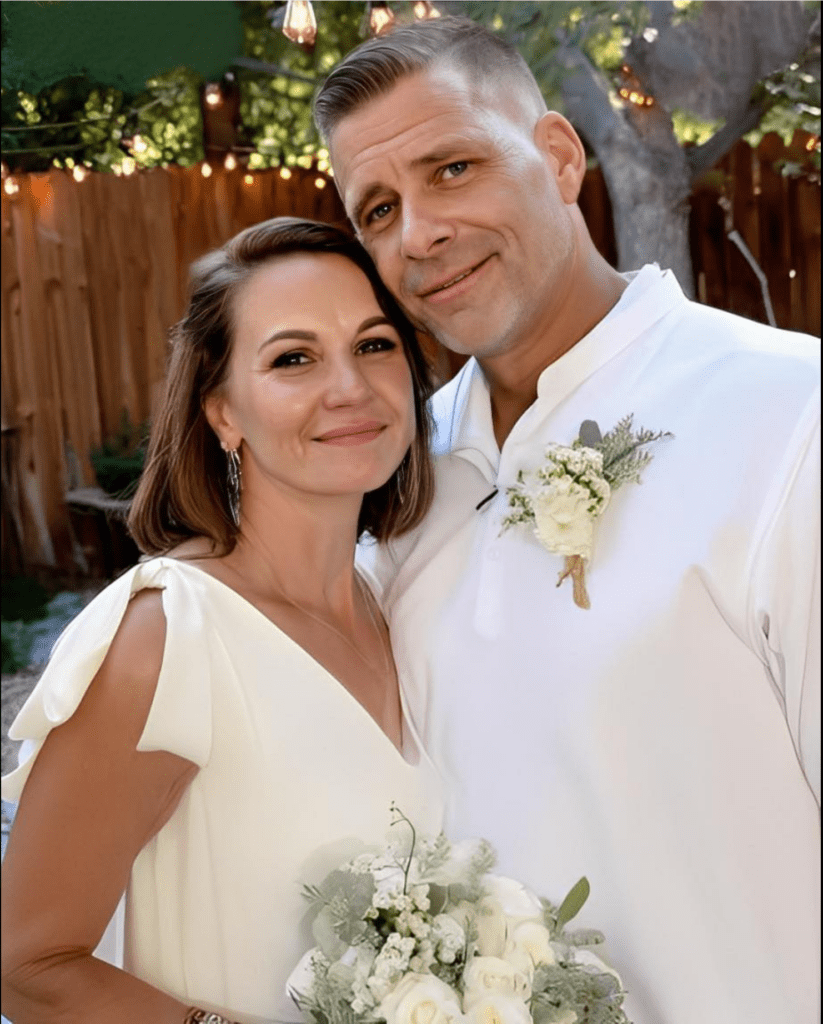
After several years, we got married. Quietly. No big ceremony, no crowd of guests. We wanted honesty, not spectacle. I thought I had thought through everything, closed every chapter in my heart. I thought I was ready.
Then came our wedding night.When we were alone, Daniel suddenly stopped me. His face was tense, more serious than I had ever seen. He led me to an old safe, one that had been in the house for years.
“There’s something in here you need to read,” he said quietly.Inside lay an old phone. On it, a recording from years ago—a conversation between him and Peter. I heard the voice of my first husband, calm and firm,
asking Daniel for one thing: to never cross a certain boundary. Because I was his wife.Daniel’s hands shook as he explained. He feared he had broken that promise. He feared he had taken advantage of my pain, my loneliness, my vulnerability.
He said that if I ever felt even a hint of doubt or discomfort, he would leave. Even that night. Anything to avoid hurting me.
In that moment, something inside me broke—but not in a painful way. I understood that his fear, his honesty, and his willingness to walk away were the purest forms of love I had ever seen. Not the kind that takes. The kind that protects.
I am forty-one. I buried my husband. And I married again. Not because I forgot my first love. But because life does not end with loss. Love can have a second chapter—without erasing the first. Sometimes the heart shatters. And yet… it keeps beating.