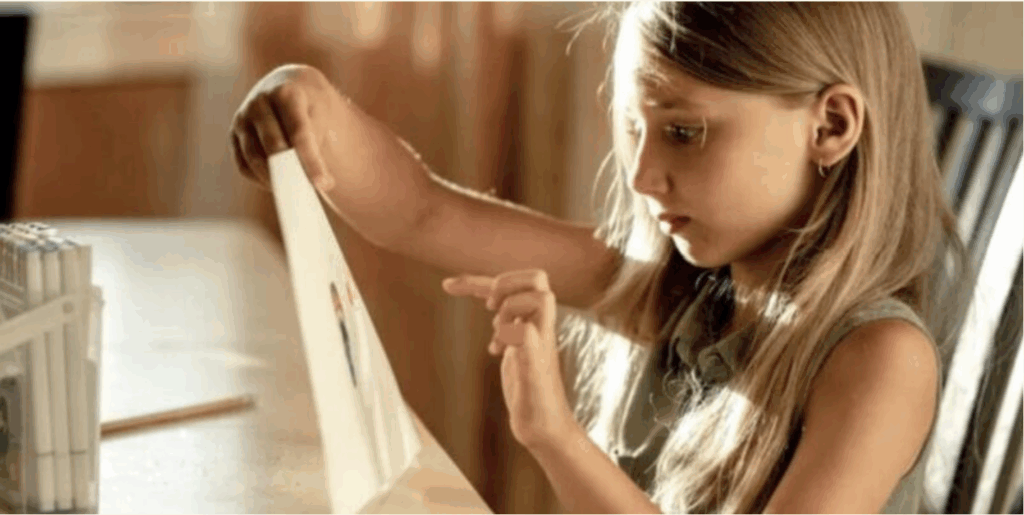
Natalya was wiping flour from her hands when her phone vibrated softly on the table. Andrey’s name appeared on the screen. She smiled without thinking—sure he was asking when she would arrive for the celebration.
Maybe teasing her for working again, for smelling like bread and yeast as always. She opened the message.“Nata, don’t come today. Mom decided—without you. She wants to celebrate only with close and worthy people.
You don’t really fit into our circle. You smell too much like flour and work.”Natalya stood frozen in the middle of the bakery. The ovens hummed steadily, filling the air with the warm, comforting scent of fresh bread.
Around her, the women moved quickly—someone pulling trays from the ovens, someone packing loaves for the morning deliveries. Life went on, loud and ordinary, as if nothing inside her had just cracked open.
She read the message again. And again. Not because she didn’t understand it, but because she wanted to remember every word exactly as it was. So that later, she would never be tempted to pretend she had misunderstood.
So that this moment would stay sharp in her memory.For six years, she had carried that family on her shoulders. She paid for vacations, for Andrey’s suits, for his mother’s medicine. Half a year earlier, in secret,
she had bought the apartment in the elite residential complex Antonina Stepanovna dreamed aloud about every Sunday. The renovation was done according to glossy magazine photos the older woman proudly showed,
always sighing, “That’s real living—not the hole we’ve been stuck in.”And now, in that very apartment—paid for down to the last nail by Natalya—her husband was pouring sparkling wine and telling guests that his wife smelled wrong.
Natalya slowly untied her apron. She didn’t cry. She didn’t scream. She walked into her office, sat down at the desk, and turned on the computer.Andrey stood by the window with a glass in his hand, accepting congratulations.
Antonina Stepanovna guided her friends through the apartment, pointing out the marble bathroom tiles and repeating like a mantra:“I always knew we deserved better. Finally, my son understood that.”
The guests nodded approvingly. Someone took photos of the river view. Someone touched the Italian curtains. No one asked where Natalya was. No one asked whose money had paid for this beauty.
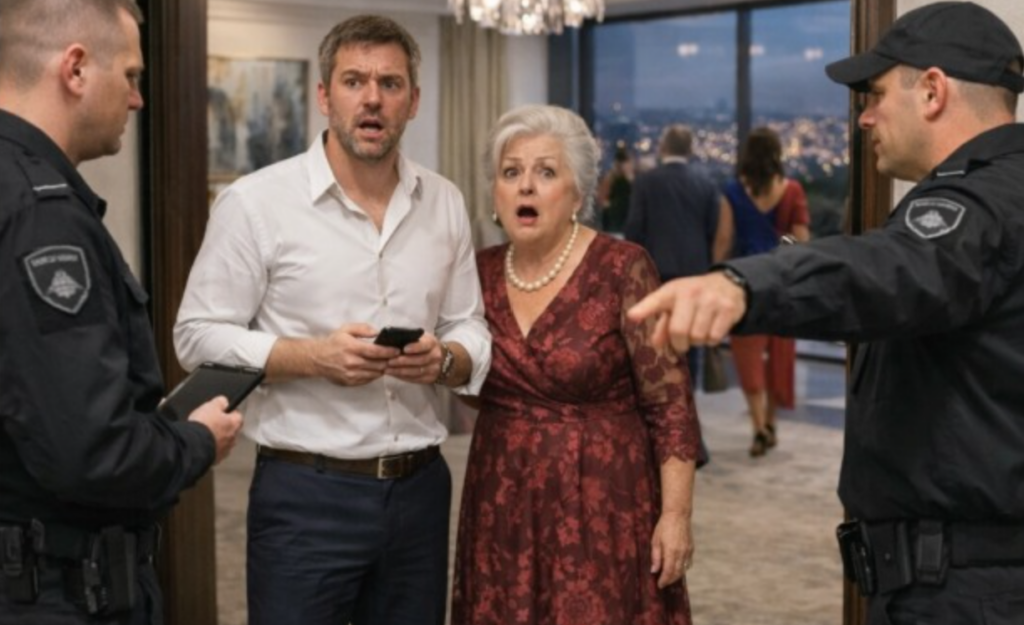
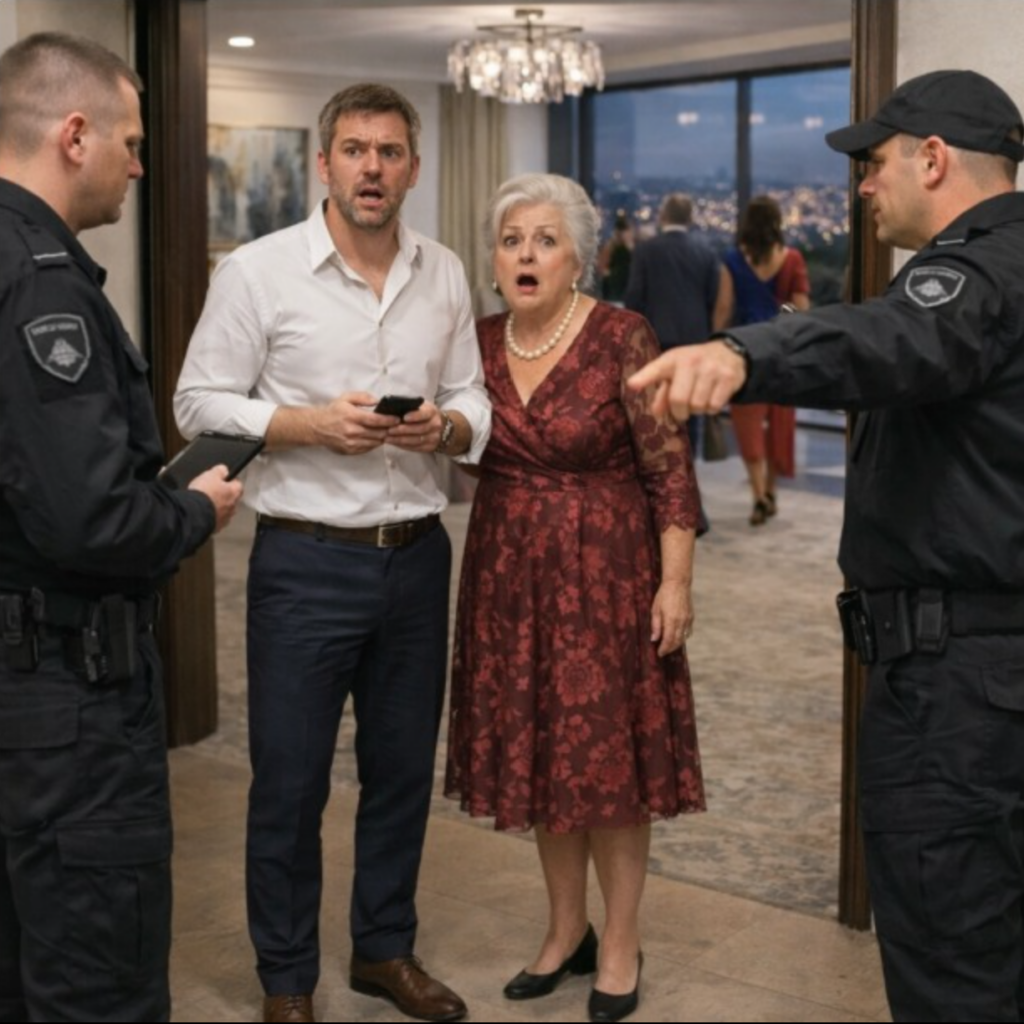
The doorbell rang. Andrey assumed more guests had arrived. Instead, two security guards in black uniforms stood at the door“Good evening. Are you Andrey Viktorovich?”“Yes. What’s going on?”
“The apartment owner, Natalya Nikolayevna, has informed us that you are here without her permission. Please present documents confirming your right to use the property.”Andrey went pale. Behind him, the apartment fell silent.
“What documents? This is our apartment—we just moved in.”“The owner is Natalya Nikolayevna. She has issued an eviction order. You have ten minutes to collect your belongings and leave the premises.”
Antonina Stepanovna pushed forward, her face white, her voice trembling.“What eviction? Andrey, tell them this is a mistake!”Andrey grabbed his phone, dialed Natalya. The call was rejected. He typed a message:
“What’s happening? Nata, this must be a mistake.”Seen. No reply.The guests began to leave quietly. Friends exchanged glances; someone whispered something, another snorted softly. No one asked questions. No one stayed. Everyone took their bags and disappeared.
They returned to the old two-room apartment late that night. Faded wallpaper, cracked linoleum, the stale smell of dampness. Antonina Stepanovna opened the refrigerator—it was empty. “Andrey, do you have any money at all? I need to buy bread.”
“The cards are blocked,” he said quietly. “I don’t have cash.”“How can you not have money? You work!”He sat down at the kitchen table, rubbing his face with his hands.“Mom… I was only employed on paper.
The company was hers. The salary went to her card. I didn’t really do anything.”Antonina Stepanovna slowly sat down across from him.“So… we have nothing?”“Just this apartment.”She closed her eyes.
“You shouldn’t have written that message,” she whispered. “About the smell of flour.”“You told me what to write!”“I didn’t think she would… that she could do this.”Six months passed.Natalya opened two more bakeries,
expanded production, signed a contract with a major retail chain. Her life became orderly, calm, clean of noise that drained her.One spring day, she saw Antonina Stepanovna at a bus stop. The woman sat on a bench with a worn shopping bag,
cheap pasta and rice visible through the plastic. She looked older. Smaller. Defeated.Natalya stopped a few steps away. The older woman looked up, recognized her, opened her mouth as if to speak.
Natalya said nothing. She didn’t speed up. She didn’t turn away demonstratively. She simply walked past—as people walk past strangers.That evening, Natalya sat alone in her kitchen. The apartment was quiet. So quiet she could hear the trees rustling outside the window.
And in that silence, she finally understood the most important thing: you must never give yourself to people who consider you unworthy. You must never feed those who despise the very work that keeps them alive.
She finished her tea, washed the cup, and went to bed. Tomorrow she had a meeting with suppliers and needed to inspect new equipment.Life went on. Only now, it no longer included those who once told her she smelled wrong.