Drooling in Sleep: Causes, Risks, and What Really Helps
Drooling during sleep – who hasn’t experienced it? Sometimes harmless, sometimes annoying, and occasionally a warning sign of health issues. In both children and adults, the reasons for uncontrolled drooling can vary. We explain why it happens, when it might be serious, and which tips really help.
1. What does drooling in sleep mean?
Drooling, also called “drooling,” happens when saliva flows out of the mouth uncontrollably – usually during deep sleep. In this phase, facial muscles and the swallowing reflex are very relaxed. Normally, the body swallows saliva automatically. But in some sleeping positions or with breathing problems, saliva can build up and escape unintentionally.
2. Why do adults drool?
There are many reasons – from harmless habits to medical causes:
Sleeping position: Lying on your side or stomach makes saliva flow out more easily; lying on your back keeps it in the throat.
Blocked nose: With a cold or allergies, you may breathe through your mouth, making drooling more likely.
Sleep apnea: Pauses in breathing during sleep often lead to mouth breathing and heavy drooling.
Reflux (GERD): Stomach acid stimulates the salivary glands – more saliva in the mouth.
Medications: Some drugs, e.g., for Alzheimer’s or psychosis, increase saliva production.
Dental problems: Inflamed gums or abscesses can also cause excessive saliva.
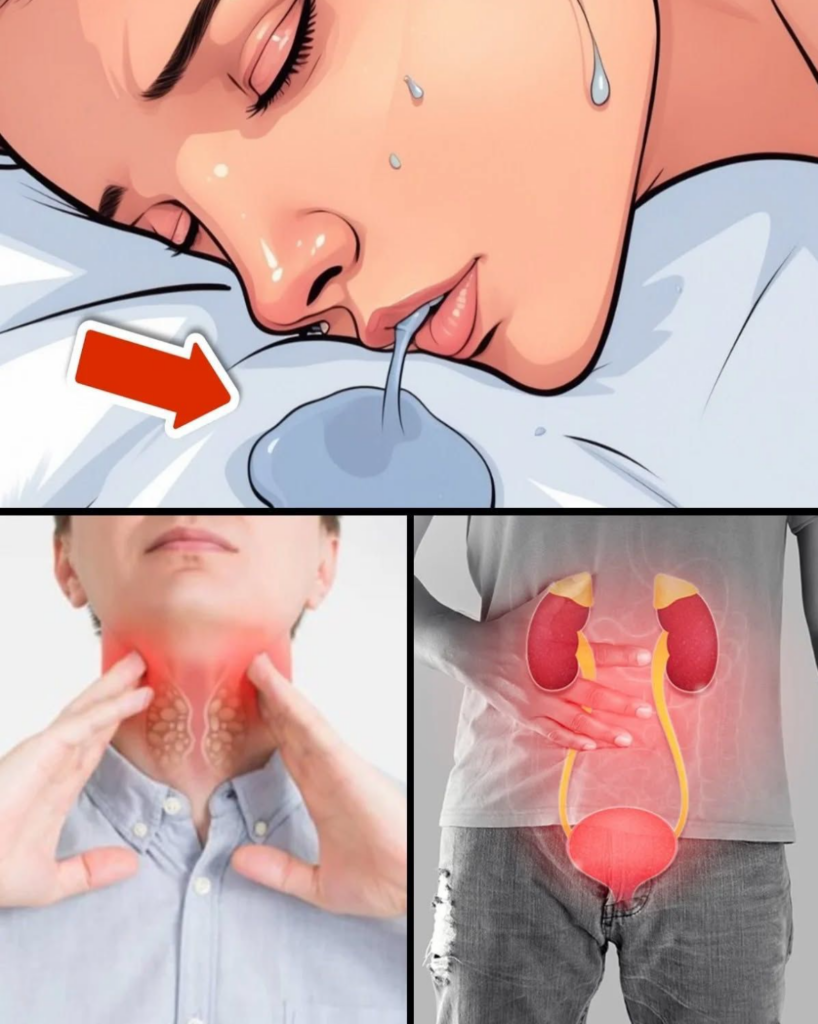
3. When drooling could indicate illness
Drooling is usually harmless but can sometimes point to health problems:
Neurological disorders: Parkinson’s, multiple sclerosis, or strokes weaken control of swallowing muscles.
Infections: Throat infections or tonsil problems make swallowing harder.
Poisoning: Rarely, certain toxins can increase saliva production.
4. Drooling in children: a phase or a problem?
In children, drooling is often normal, especially at certain ages:
Common causes:Teething (around 6 months–2 years),Immature mouth and swallowing muscles,Enlarged tonsils making nose breathing harder,Focusing on play or other activities – forgetting to swallow
When parents should be cautious:Heavy drooling after age 4,Trouble swallowing or breathing,Skin irritation around mouth and chin, Delayed speech or motor development
5. Simple home remedies for nighttime drooling
Before using medication, small changes often help:
Change sleeping position: Sleeping on your back keeps saliva in the throat.
Nasal rinse: Saline rinse before bed keeps the nose clear and reduces mouth breathing.
Stay hydrated: Proper hydration regulates saliva production.
Lemon: A slice of lemon or a few drops in water can “calm” the salivary glands.
Essential oils: Peppermint or camphor oil can open airways in case of allergies.
6. Reducing drooling in children at home
Parents can help with targeted measures:Mouth muscle exercises: Blowing bubbles or playing the flute strengthens lips and swallowing muscles.,Skin care: Vaseline protects sensitive skin from irritation.
Reduce sugar: Sugar increases saliva production and can harm teeth. Teething aids: Cold teething rings relieve discomfort.
7. When to see a doctor
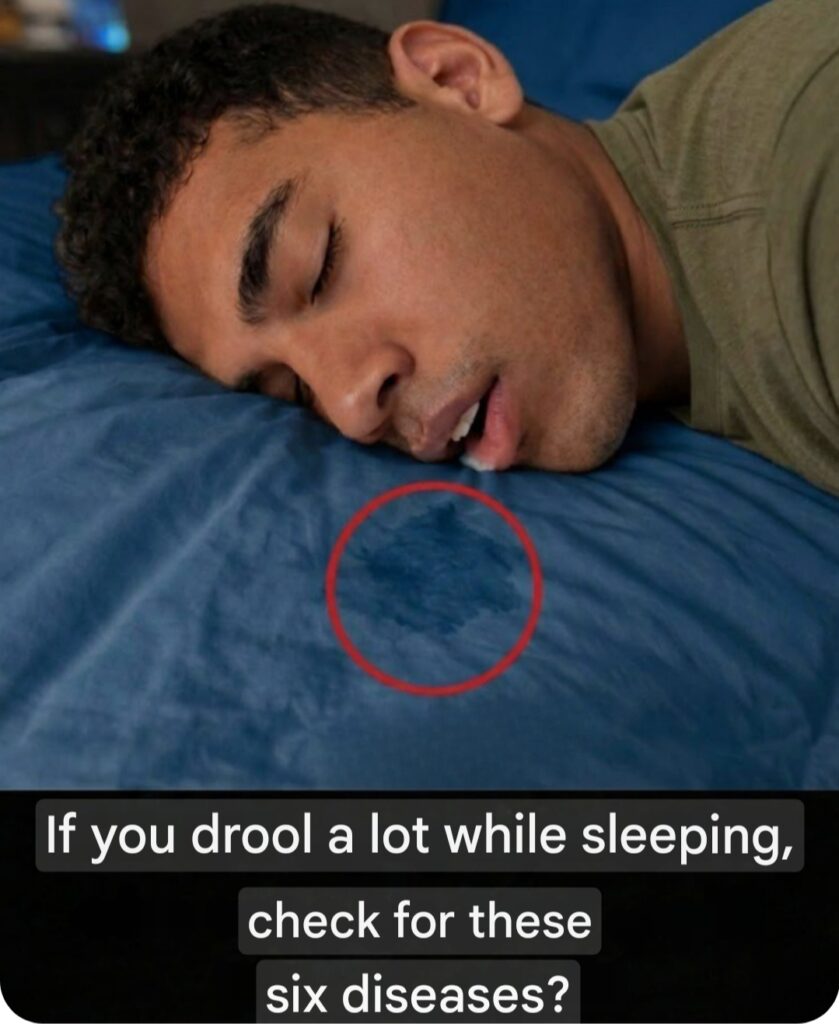
Consult a doctor if:Pillows and clothes get wet during the night,Loud snoring or pauses in breathing occur,Speech problems develop,Saliva has an unpleasant smell,Sudden drooling occurs in adults who never had it before
8. Possible serious causes
Even though drooling is usually harmless, it can indicate more serious issues: Obstructive sleep apnea,Allergies or sinus infections,Acid reflux (GERD),Medication side effects,Throat and tonsil infections,Neurological disorders,Dental problems,Anatomical issues such as a deviated septum
⚠️Emergency: Sudden drooling with shortness of breath or choking sensation requires immediate medical attention.
Summary: Drooling in sleep is nothing to be ashamed of. Often, it’s just your sleeping position or a blocked nose. Patience is key with children, while adults can benefit from careful observation and lifestyle adjustments.
Good oral and nasal hygiene, conscious sleeping positions, and simple home remedies solve most cases – and you can even add some fun tongue exercises! 😄