Sometimes life doesn’t bring storms with lightning and thunder. Sometimes it brings only a quiet, barely noticeable breeze — a wind of change that, without realizing it, can turn your whole inner world upside down.
For years, I lived as if my role had already been decided: I was the grandmother, the support, the reliable helper. The woman who was always there, holding the family together, without whom my daughter Léna’s day simply couldn’t begin.
Léna worked hard — almost never taking a day off, always tired, but proud. I was proud of her. Deep down, I felt it was my duty to support her. Every morning, I woke up early, went to her house, fed my grandson, prepared him for his walk, cooked lunch, and sometimes tidied up a bit so that Léna would return to a calm, organized home.
I loved feeling needed, and seeing her smile — tired but grateful — brought me joy.I felt useful. Indispensable. As if my presence gave their lives rhythm.Then one morning, without warning, a single sentence changed everything.
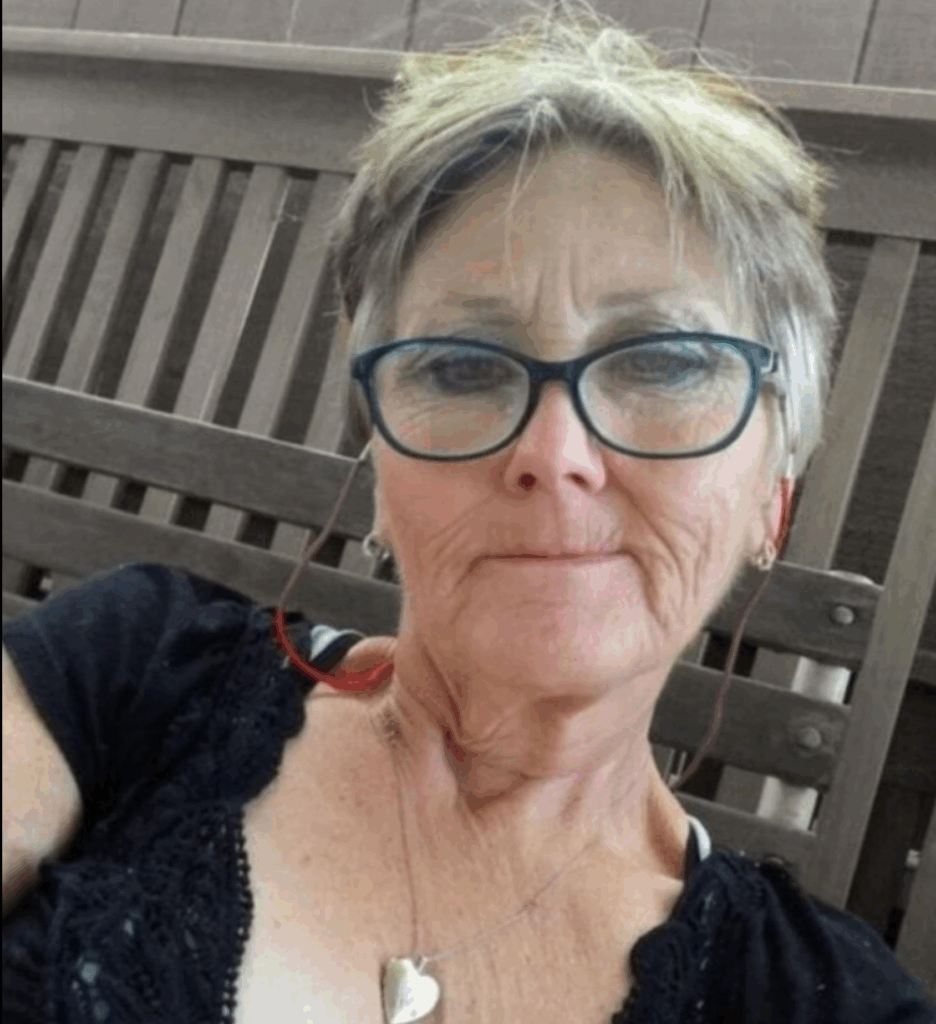
I had just placed a pot on the stove when Léna, calm but with a cold, unyielding look, said:— Mom, please, don’t take anything from our fridge. If you’re hungry, bring your own from home.
At first, I thought I hadn’t heard correctly. There was no anger in her voice — only something heavy, impenetrable, like a wall. Silently, I gathered my things, put on my coat, and went home. The sentence echoed in my mind: “Don’t take anything from our fridge.”
It wasn’t a request. It was a boundary.At home, I sat on the couch for a long time, staring out the window. I felt sadness, emptiness, and — somewhere deep inside — a strange, unfamiliar sense of freedom.
I picked up the phone and called Léna. My heart was pounding, my hands were shaking, but I knew that if I stayed silent now, nothing would change.— Léna, I said calmly, I won’t be coming every day anymore. From now on, you’ll take care of your child yourselves.
Silence fell on the other end. Then I heard her voice, full of surprise:— Mom, seriously? You know it’s hard for me! How can you do this? A good mother wouldn’t do such a thing!
I sighed. My chest felt heavy, but inside, I felt certain.— If you can’t appreciate my help now, I said softly, you may learn to appreciate it later.When I hung up, I cried. Not from anger — from relief.
The first days were difficult. Mornings felt empty without the rush. I wandered around the apartment, unsure what to do with myself, catching myself waiting for a phone call — maybe they would ask me to come back. But the phone remained silent.
A week passed. Léna didn’t call. Clearly, both of us were processing what had happened.Then, on my grandson’s birthday, I went to see them. It was a little awkward, but the joy of the reunion overcame it.
My grandson ran into my arms, laughing, showing me his new toys. Léna was reserved, but in her eyes, there was no anger — only fatigue and recognition: now she could manage on her own.From that moment, things began to change.
We started talking again. Not every day, not like before. Sometimes on holidays, sometimes just for a little while. I helped — but no longer out of obligation, only out of desire. I still loved my grandson, but I no longer lost myself in caring for him.
Léna, realizing I needed my own space, hired a helper — a calm, gentle woman. For the first time in years, I felt I could breathe freely.
My life began to change. I pulled out my old books, signed up at the library, joined a painting class. I started seeing my friends again — walking, drinking coffee, laughing like we used to. I rediscovered myself.
Sometimes, watching people in the park, I thought: how often do women of my generation give their entire lives to others, without leaving a single moment for themselves? We fear being called selfish, but taking care of yourself is not selfish — it’s maturity. Because if you aren’t whole, you can’t truly give warmth.
One evening, Léna called. Her voice was soft, calm.— Mom, she said, thank you. I used to think I couldn’t manage without you, but now I understand how important it is for everyone to have their own life.
I smiled.— The most important thing is that you’re okay, I replied.I hung up the phone and felt no malice left inside me. Only lightness.Now I visit my grandson whenever I want, not when I “have to.” We go to the park, paint, read. I love these moments because they are filled with genuine joy, not exhaustion.
I realized that love isn’t measured by the time we spend together, but by the quality of our presence. Not sacrifice, but the freedom to be yourself while being there when it really matters.Sometimes I still remember that day when Léna spoke about the fridge. Once, those words hurt. Now they bring a smile. Because that day marked the start of a new chapter in my life.
I feel like a woman again, not just someone’s helper. I have time, dreams, desires. I travel, I learn, I enjoy the small moments. And when my grandson calls and says, “Grandma, come, I miss you” — I go. But not because I have to, because I want to.
Being a grandmother is happiness.But being yourself — that is life.And perhaps true love lies in this freedom — the love that does not confine, but inspires; that does not demand, but fills with warmth.