A Christmas Miracle: The Truth in the Suitcase.The snowy Christmas Eve wrapped the world in a quiet, white haze. The road ahead stretched like an endless ribbon, flanked on both sides by dark forests, their branches heavy under the weight of frost.
My mind was completely occupied with home and my two children, who were waiting at my parents’ house while I finished my first major business trip since our father passed away.He had left for another — a colleague from the office — leaving us behind.
The pain still smoldered inside me, but tonight wasn’t about him. Tonight belonged to my children, their laughter, and the warmth of the family hearth.Suddenly, the road twisted sharply, and I saw him. The headlights revealed the figure of an old man slowly making his way along the shoulder.
He was heavily hunched, clutching a worn suitcase, each step clearly a struggle. Snowflakes swirled around him, settling on his thin coat, wholly unsuitable for the weather. He reminded me of my grandfather, long gone.
I slammed on the brakes, the tires squealing on the icy road. My heart froze for a moment, then I opened the window:“Hey! Do you need help?”The man turned. His face was pale, his eyes sunken, but his gaze was warm and alive. He approached slowly.
“Daughter…” His voice was hoarse, barely audible over the wind. “I’m trying to get to Tikhoretsk. My family… they’re waiting for me.”“Tikhoretsk?” I frowned. “It’s a full day’s journey from here.”

He nodded slowly and heavily.“I know… but I must. It’s Christmas today.”“You’ll freeze out here. Get in.”His voice trembled cautiously.“Are you sure?”“Absolutely. It’s too cold to argue.”He climbed into the car, clutching the suitcase as if it were his most precious treasure.
“Thank you,” he whispered.“I’m Maria,” I said, touching the steering wheel. “And you?”“Fyodor.”At first, Fyodor Petrovich was silent, staring out the window. His coat was threadbare, his hands reddened from the cold. I warmed up the car’s interior.
“Tikhoretsk is far. Do you really have someone waiting for you there?”“Yes… my daughter and grandchildren. I haven’t seen them in years.”“Why didn’t they come for you?” I asked, before I could bite my tongue.
He pressed his lips together.“Life… is busy.”I sensed I had touched a tender point and decided to change the subject.“You won’t make it there tonight. Stay at my parents’ place. It’s warm there, and the children will be happy to have company.”
A faint smile appeared.“Thank you, Maria. That means a lot.”As we arrived, the blizzard intensified. My parents greeted us with concern, quickly giving way to festive hospitality.“This is too much kindness,” Fyodor Petrovich kept repeating, standing in the hallway.
“Nonsense,” my mother laughed, brushing the snow from his shoulders. “No one should be out in the cold on Christmas Eve.”The next morning, the house was filled with the aromas of coffee and fresh pastries. The children, Alina and Denis, ran into the living room in their pajamas, their eyes shining with excitement.
“Mom! Did Santa come?” Denis asked, glancing at the stockings by the fireplace.And then Fyodor Petrovich appeared. He looked rested but still held the suitcase as if it were the apple of his eye. The children froze.
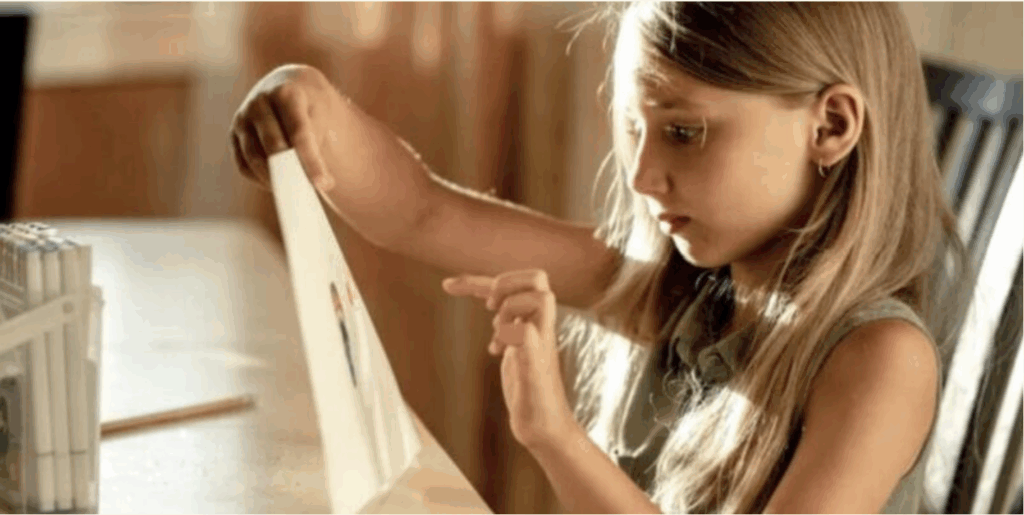
“And who’s this?” Alina whispered.“This is Fyodor Petrovich,” he said gently with a soft smile. “He’s celebrating Christmas with us.”All day, he told the children stories of holidays from his youth. When they gave him their drawings of snowmen and Christmas trees, tears welled in the old man’s eyes.
“How beautiful… Thank you.”Alina tilted her head and asked,“Why are you crying?”Fyodor took a deep breath.“Because… I have to confess. I wasn’t completely honest. I don’t have a family in Tikhoretsk. They’ve been gone for a long time.
I… ran away from a nursing home. They treated me poorly there. I was afraid to tell the truth. Afraid you would call the police and send me back.”Silence fell in the room. My heart ached.“Fyodor,” I said softly, “you don’t have to go back. We’ll handle everything together.”
He told us about the cold rooms, the staff’s indifference, the hunger, and loneliness. I saw his hands tremble.“You are safe now,” I said firmly. “You are part of our family.”From that day on, our home was filled with a new warmth. Fyodor Petrovich became the grandfather the children had been missing.
But I couldn’t let what happened at the institution go unpunished. Together, we filed a complaint. The process was long; Fyodor relived the past, but justice prevailed: the management was replaced, staff were fired, and conditions for the elderly improved.
“You did it,” I hugged him.“We did it, Maria,” he replied.One evening, he took out his suitcase and pulled from it a painting, carefully wrapped in cloth. I gasped.“Fyodor Petrovich, I can’t accept this!”
“You can and you must. You gave me a family when I thought I had lost everything. This painting will secure your children’s future. Please, take it.”There was so much sincerity in his eyes that refusing was impossible.
The painting changed our lives: we sold it, providing financial stability for the children and expanding our home. But neither the money nor the painting could compare to the wealth Fyodor brought into our lives — his wisdom, his laughter, and his boundless kindness.