Purslane (Verdolaga): From Pesky Weed to Garden Gold
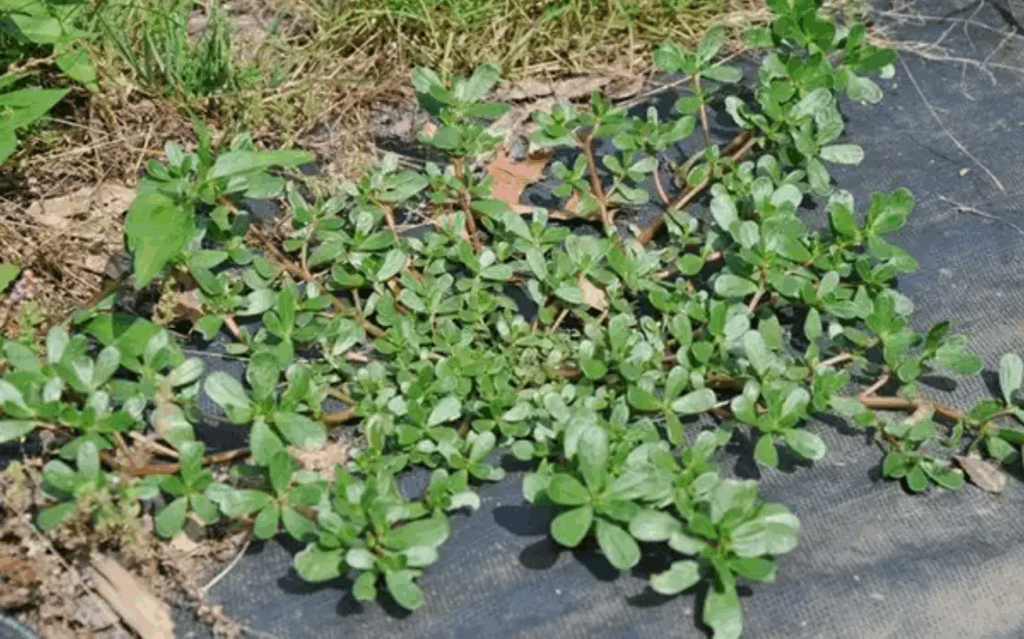
Once dismissed as a stubborn weed, Purslane—also known as verdolaga, hogweed, or pigweed—is making a bold comeback. This once-overlooked plant is now finding its way back into farmers’ markets and top-tier restaurant kitchens, thanks to its impressive health benefits and surprisingly delightful flavor.
This resilient green bursts through sidewalk cracks, takes root in garden beds, and has earned the title of “miracle plant” from Dr. Artemis Simopoulos, president of the Centre for Genetics, Nutrition, and Health.
While at the National Institutes of Health, Dr. Simopoulos discovered that Purslane contains more Omega-3 fatty acids than any other green plant.
Its teardrop-shaped succulent leaves are a nutritional powerhouse—brimming with antioxidants, essential vitamins, and vital minerals. But Purslane isn’t just healthy—it’s tasty too. Its flavor is often described as refreshingly lemony with a peppery kick,

a profile praised by Chef Sergio Vitale of Aldo’s Ristorante Italiano in Chicago, who fondly recalls enjoying Purslane during his childhood in southern Italy.
Though it was once a staple in early American kitchens (even Martha Washington was a fan, enjoying it fresh and pickled), Purslane fell out of favor in the 20th century. Today, however, chefs, farmers, and foragers alike are rediscovering this humble plant and restoring it to its rightful place at the table.
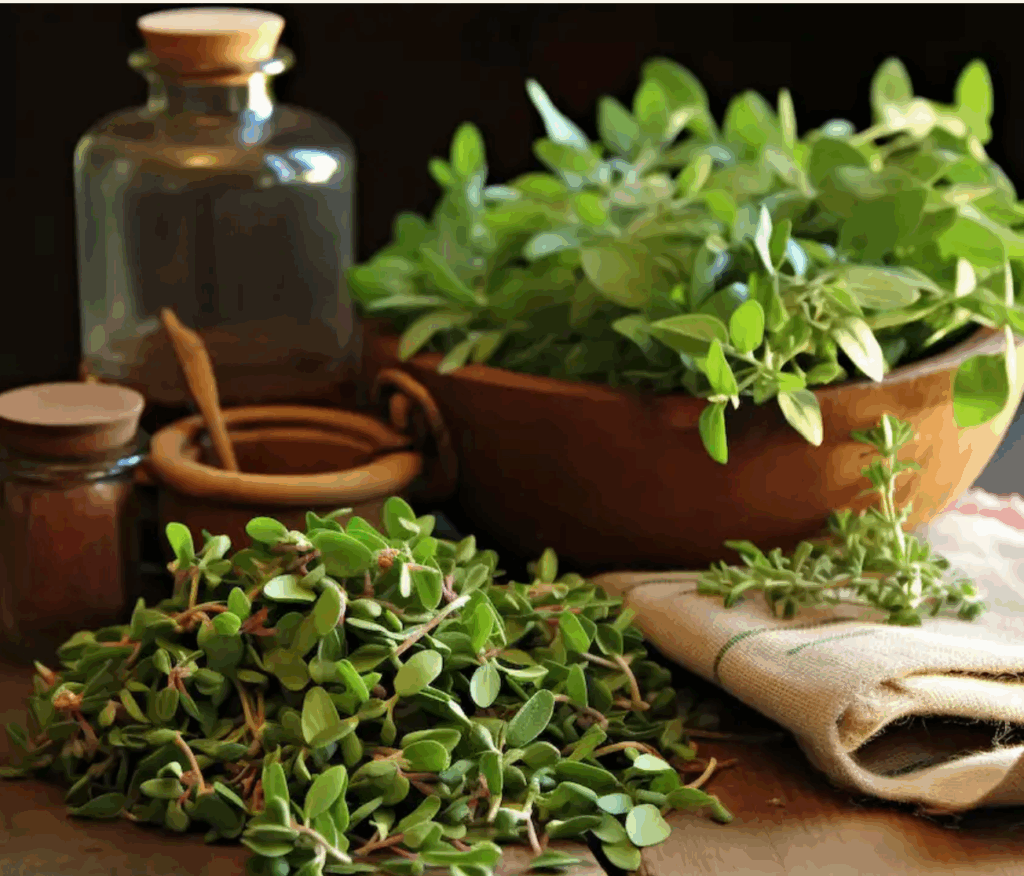
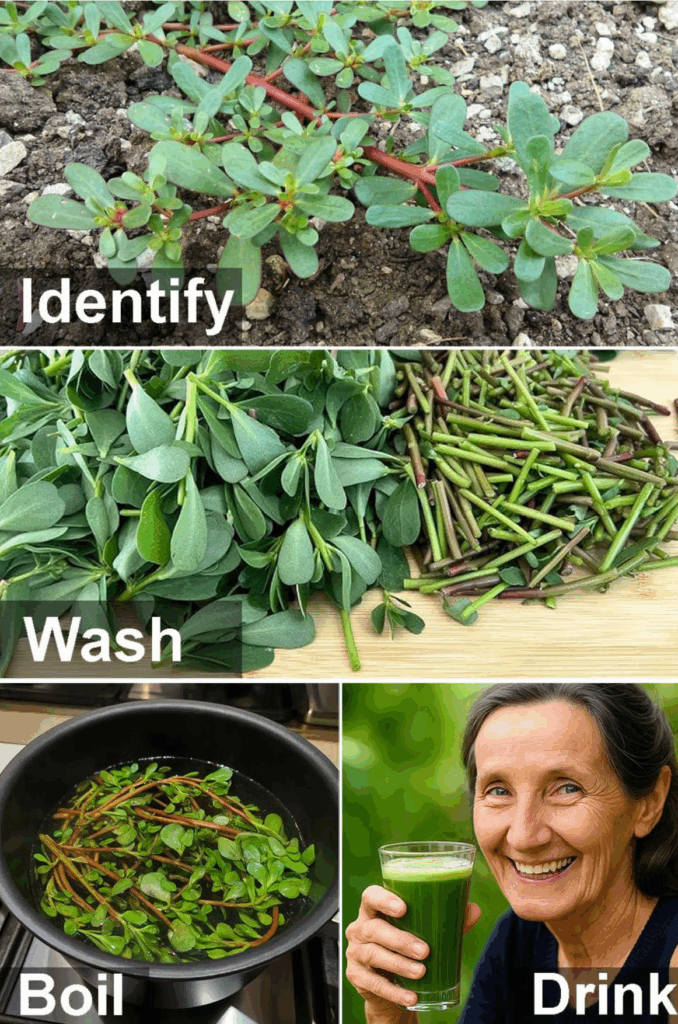
🍃 Cooking with Wild Purslane: When harvesting wild Purslane, be sure to wash it thoroughly to remove dirt and potential pesticide residue. Thanks to its **mildly tart and salty flavor**, it’s a fantastic addition to salads, stir-fries, and even smoothies.
Here’s a simple and delicious way to enjoy it:
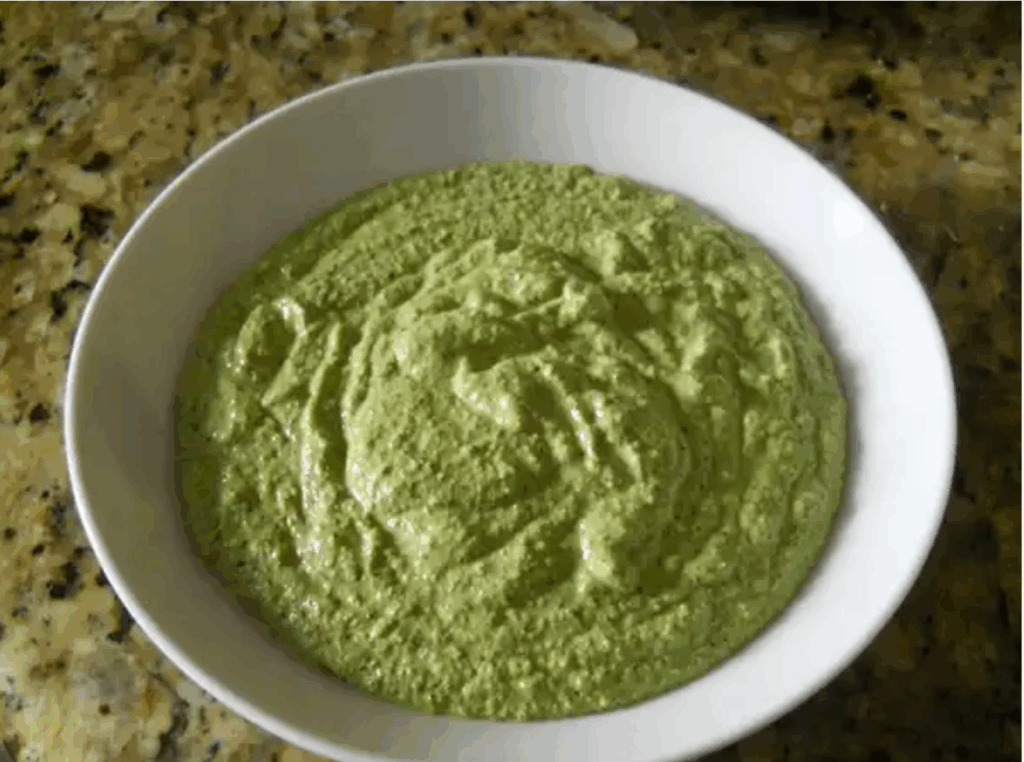
🌿 Purslane & Basil Pesto Recipe
Ingredients: 2 cups young Purslane leaves and stems (rinsed and chopped), 45g fresh basil leaves, 1 garlic clove, 45g toasted almonds, Juice of ½ lemon, 50ml olive oil, Salt & pepper to taste
Instructions: 1. Add Purslane, basil, garlic, almonds, and lemon juice to a food processor. 2. Pulse until the ingredients are well blended. 3. With the processor running, slowly add olive oil until the pesto is smooth and emulsified. 4. Season to taste with salt and pepper.
This bright, zesty pesto is perfect for pasta, sandwiches, roasted vegetables, or grilled meats.
🌟 The Powerful Health Benefits of Purslane, Purslane isn’t just a tasty green—it’s a nutritional marvel:
Omega-3 Fatty Acids: A top plant-based source, supporting heart, brain, and joint health—especially vital for vegans and vegetarians.
Antioxidants: Includes glutathione, which helps fight cell damage and oxidative stress.
Essential Minerals: Loaded with calcium, magnesium, potassium, iron, phosphorus, manganese, copper, folate, and selenium—perfect for filling nutritional gaps.
Vitamin C: Boosts immunity and helps the body combat infections and inflammation.
Beta-Carotene: Converts to vitamin A, supporting vision, skin, and immune health.
Melatonin: Uncommon in plants, this natural sleep aid can help regulate your circadian rhythm.
Cholesterol Support: Contains betalain antioxidants, which reduce vascular damage and improve cholesterol levels.
Tryptophan: This amino acid helps balance mood and may help reduce symptoms of anxiety and depression.
In Conclusion: From garden intruder to gourmet ingredient, Purslane is a wild plant worth celebrating. It’s not just rich in flavor—it’s packed with nutrients that promote wellness from head to toe.
Whether you’re tossing it into a salad or blending it into pesto, this vibrant green deserves a place in your kitchen and your health routine.