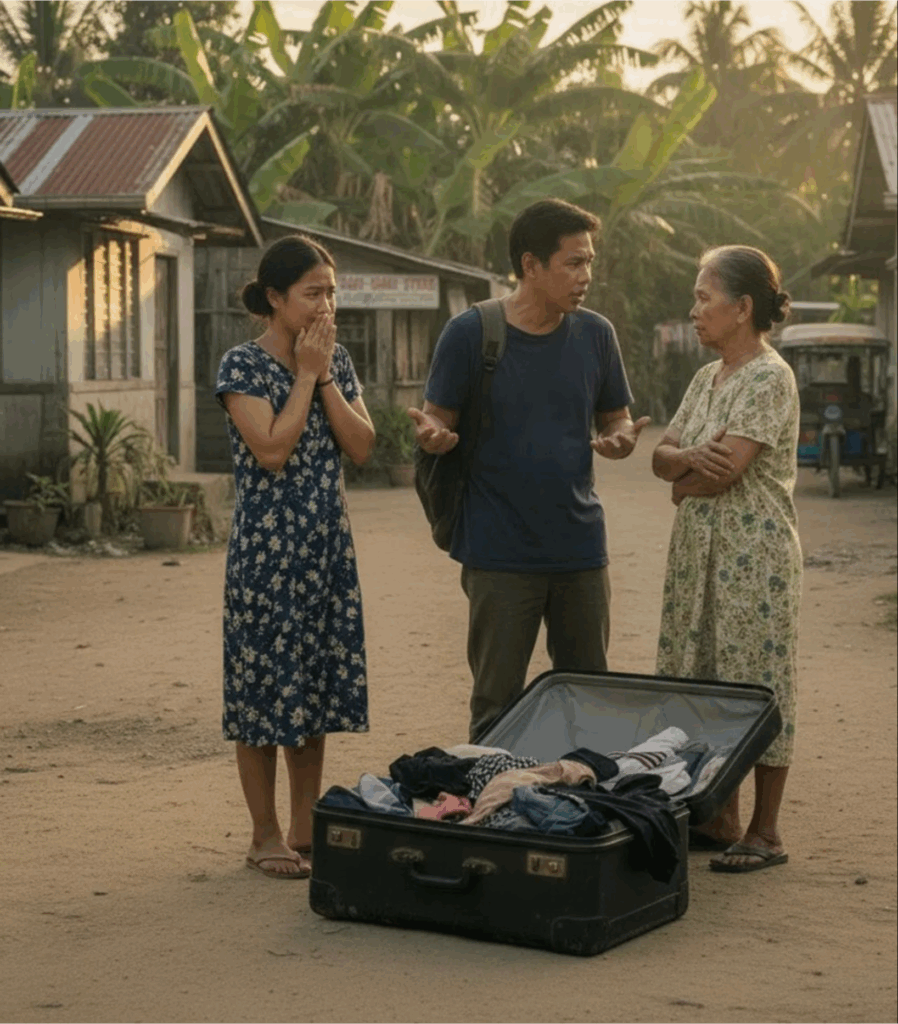
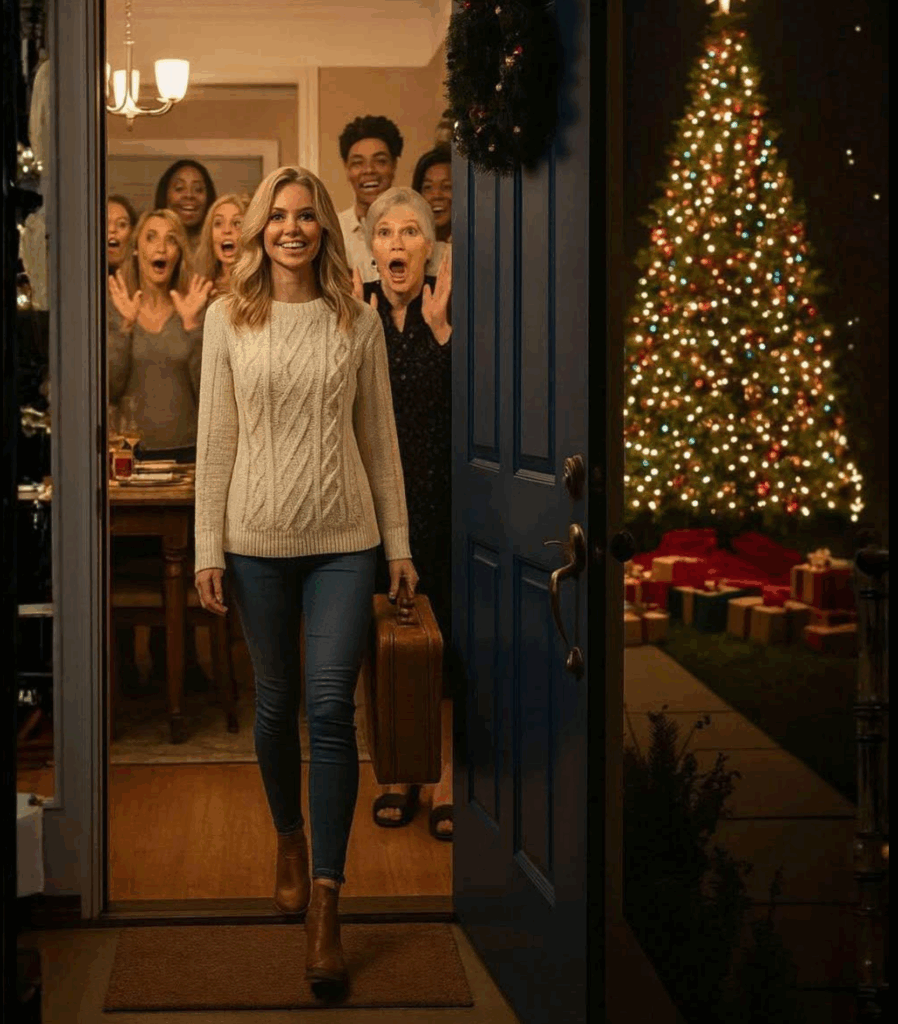
My name is Claire. I’m 28 years old, American, and I grew up in the foster care system.😔
By the time I was eight, I had lived in more foster homes than birthdays I could actually remember celebrating. I learned a rule early on: don’t get attached.
People like to say kids are “resilient,” but in reality we just learn to keep moving, stay quiet, and stop asking questions.
When I was placed in my last group home, I made a decision: no one gets close enough to hurt me again.
Then I met Noah.
He was nine, too thin, too serious for his age, like he had already grown tired of the world. His wheelchair made people uncomfortable, even if they didn’t admit it.
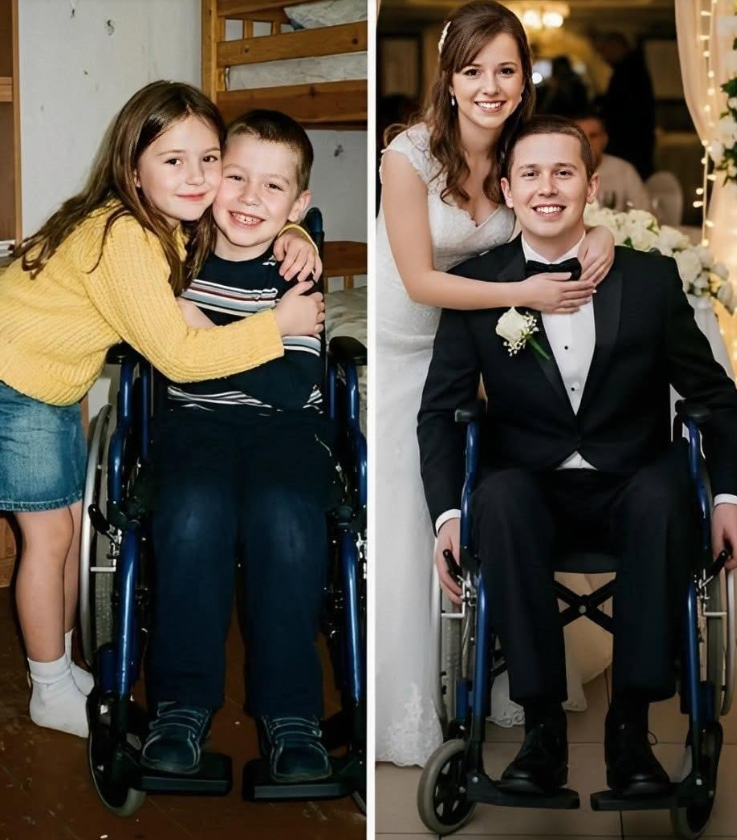
In that place, he wasn’t treated like a child—more like a responsibility everyone avoided. Kids would shout hello from across the room and then run off to places he couldn’t reach.
One afternoon, I sat down next to him on the floor with a book.
“If you want to look out the window, you have to share the view,” I said.
He looked up at me, raised one eyebrow.
“You’re new.”
“More like returned,” I said. “Claire.”
“Noah.”
That was it. Nothing dramatic. But from that moment, something shifted between us.
We grew up side by side, witnessing every version of each other—the angry one, the silent one, the one who stopped believing anyone would ever choose them. Every time another kid left with a suitcase, we had our strange little ritual.
“If they adopt you, I’m taking your hoodie.”
“If they adopt you, I’m taking your headphones.”
It was our way of laughing instead of breaking.
At 18, they called us into an office.
“Sign here. You’re adults now.”
And just like that, it was over.
No celebration. No goodbye party. Just a plastic bag of belongings, a bus ticket, and “good luck out there.”
On the sidewalk, Noah said, almost casually:
“At least no one can tell us where to go anymore.”
“Unless it’s prison,” I replied.
We laughed.
We moved into a tiny, worn-out apartment above a laundromat. The air always smelled like warm detergent and ironed cotton. The stairs were steep, the place was barely livable—but it was ours.
We shared a second-hand laptop and took every job we could find. I worked at a café and stocked shelves at night. Noah did IT support and tutoring. We were exhausted all the time, but for the first time, we had something that felt like stability.
And somewhere in that routine, things between us changed.
No grand confession. No movie moment. Just small things.
Texts like: “Let me know when you get home.”
Or: “Do you want me to wait up?”
One night, completely drained, I said it out loud.
“So… we’re basically together, right?”
Noah didn’t even look away from his screen.
“Yeah. I was wondering when you’d catch up.”
And that was it.
We finished college side by side. When our diplomas arrived in the mail, we just placed them on the kitchen table like they might disappear if we blinked.
“Look at us,” Noah said. “Two orphans with paper.”
A year later, he proposed.
Not in a restaurant. Not in front of anyone.
He walked into the kitchen while I was cooking pasta, set a small box beside the pot, and said:
“So… do you want to keep doing this with me? Officially?”
I laughed, cried, and said yes before he could overthink it.
The wedding was small, cheap, and perfect. Friends from college, a couple of caregivers who truly cared about us, folding chairs, a Bluetooth speaker, and too many cupcakes.
The next morning, someone knocked loudly on the door.
A man stood outside in a dark coat, calm and composed, like someone used to always being in the right place.
“Claire?” he asked.
I nodded, instantly on edge.
“My name is Thomas. I’m an attorney. I’ve been looking for your husband for a long time.”
My stomach tightened.
“There’s something you don’t know about him.”
Noah rolled into view behind me.
“I don’t know any Harold Peters,” he said.
Thomas held out a thick envelope.
“He left this for you.”
Inside the apartment, everything suddenly felt too small, too quiet.
Thomas explained that he represented a man who had recently passed away. And that man had left everything to Noah—a house, savings, a trust fund.
Because years ago, Noah had helped him on the street.
Just a simple moment: the man had fallen, people walked past him, and Noah stopped.
He helped him gather his groceries, stayed until he was steady again, and didn’t treat it like a burden.
The man never forgot it.
And now he had left everything behind for the boy who had simply seen him when no one else did.
Noah read the letter slowly, his hands shaking.
“All my life,” he whispered, “people told me I was invisible… and now someone leaves me a house?”
Weeks later, we visited it.
A single-story house with a ramp at the entrance, quiet neighborhood, slightly worn but solid.
Inside, shelves, books, dishes in cabinets—like someone had just stepped out and might return any moment.
Noah turned slowly in the living room.
“I don’t know how to live somewhere that doesn’t feel like it can disappear,” he said.
I placed my hand on his shoulder.
“We’ll learn. We’ve learned harder things than this.”
We stood there, two people who had never been chosen before.
And yet, somehow, someone had seen us.
Maybe for the first time in our lives, life wasn’t taking something away.
It was giving something back.