He had stayed through every fitting, every tasting, every carefully planned detail of a wedding that once felt like a promise written in ink.
Right up until the doctors said the word that changes the shape of a life forever.
Terminal.
After that, everything shifted.
“I can’t do this.”
At first, Serah thought Daniel meant the illness. The treatments. The uncertainty. The frightening future they were suddenly forced to imagine in fragments instead of years.
She sat at their kitchen table in his old sweatshirt, her tea gone cold, still trying to steady herself after the diagnosis. The house felt different now, as if it already knew something irreversible had begun.
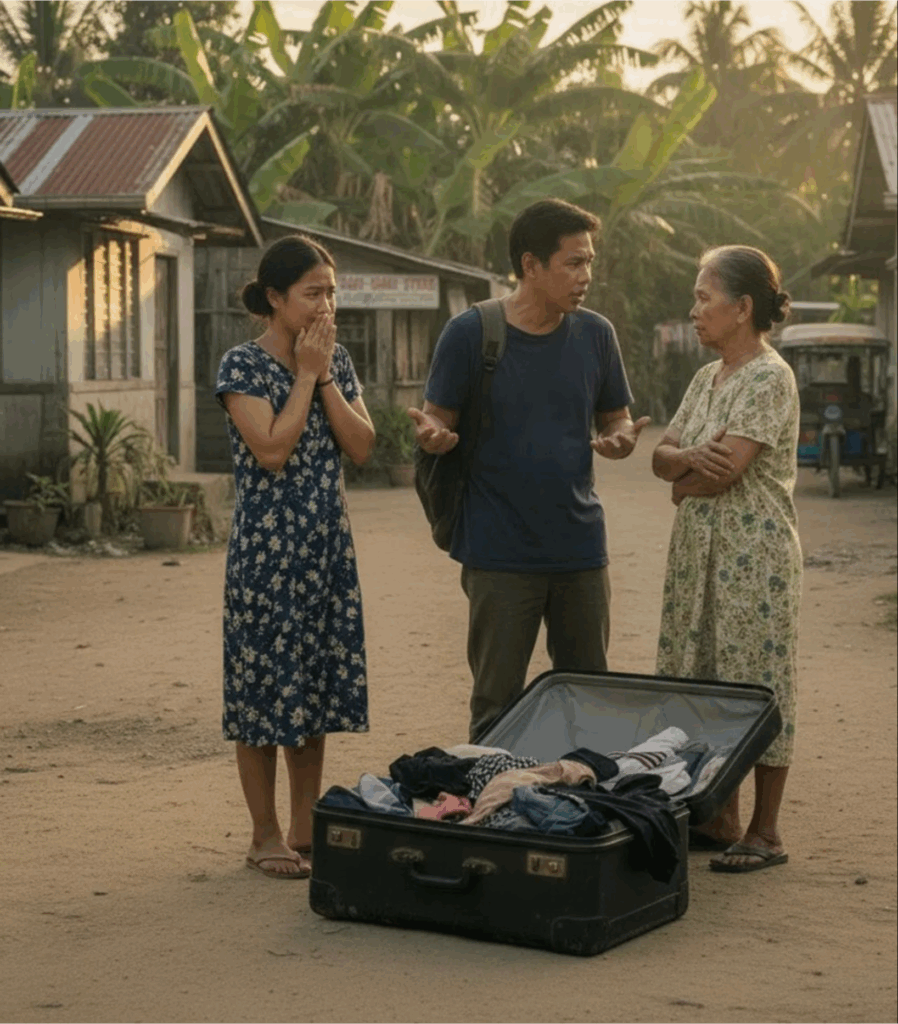
Daniel stood near the doorway with a small overnight bag in his hand.
For a moment, she refused to believe what she was seeing. People needed space. People panicked. People stepped outside to breathe.
But then he said it again.
“I can’t do this, Serah.”
And something inside her went very still.
He wasn’t talking about the illness.
He was talking about her.
“You promised,” she said quietly, her voice barely holding. “You said we’d get through anything together.”
Daniel looked like a man breaking in real time—guilt pulling one way, fear pulling the other.
“I know,” he said.
“So this is it?” she asked. “You’re leaving before I get worse? Before I lose my hair? Before I stop being the version of me you could love easily?”
“Please don’t say it like that,” he whispered.
But there was no softer version of the truth.
He left.
And the wedding—twelve days away—stayed behind like a room suddenly emptied of air.
Everything had already been paid for. The venue, flowers, dress, catering, music, hotel rooms. Guests had booked flights.
Her parents had built the day like a celebration they believed nothing could interrupt.
For three days, Serah barely left her bed.
On the fourth night, she stood in front of her wedding dress.
It hung there like a question no one wanted to answer.
Then she laughed.
Not because it was funny.
Because something in her had finally shifted from shock into clarity.
The wedding didn’t have to disappear.
Only the groom had.
And that difference changed everything.
By morning, she was searching online for something she never thought she would need: someone to stand in a role that no longer had a story attached to it.
Not love. Not promises.
Just presence.
That was how she found Peter.
An agency that handled unusual requests. Temporary roles. Unconventional arrangements.
His photo was simple—kind eyes, calm expression, a smile that didn’t feel rehearsed.
She wrote the email expecting rejection. She explained everything: the diagnosis, the abandoned wedding, the fact that she wasn’t asking for romance or deception.
Only dignity.
Only someone willing to stand at the end of an aisle so her family wouldn’t watch her lose another piece of her life.
The reply came the next morning.
“I’ll do it,” he wrote. “But I won’t lie to them.”
No pretending. No fabricated love story.
Just honesty.
If her family agreed, he would attend as himself.
Something about that answer made Serah cry harder than she had since the diagnosis.
When she told her parents, her mother broke instantly. Her father stayed silent for a long time, staring at the floor as if trying to measure what kind of world this had become.
Then he said, “If this is what you want… we’ll make it happen.”
Peter came to dinner the next evening.
He didn’t perform charm. He didn’t try to fill silence with reassurance. He simply listened, answered questions directly, and treated the situation with a respect that felt rare.
When her father finally asked why he had agreed, Peter hesitated.
“Because if I were in her place,” he said quietly, “I’d want someone to do the same for me.”
That was the beginning of something neither of them had words for yet.
In the days that followed, Peter became part of the wedding that no longer had a groom. Dress fittings continued. Menu tastings were rescheduled.
There were rehearsals in quiet rooms and long conversations on the porch when Serah couldn’t sleep.
He never treated her like someone fragile.
Only someone still here.
One evening, she asked what had prepared him for something like this.
He paused before answering.
“I used to work in hospice care.”
Everything made sense after that.
The calmness. The patience. The way he never flinched at silence or sadness.
When he read her email, he had already understood what most people avoided seeing.
And he still said yes.
But somewhere between planning seating charts and laughing over small disasters, something subtle changed. He stopped feeling like a stranger hired for a task.
He became someone she trusted.
Then the wedding day arrived.
Fifteen minutes before the ceremony, everything broke open again.
“He’s here,” someone said.
Daniel had returned.
In the hallway, voices rose—her father, Peter, Daniel, all colliding in disbelief and anger and disbelief again.
And then Daniel saw her.
“Serah… I made a mistake.”
She looked at him for a long moment, as if trying to locate the version of him she used to trust.
“You didn’t make a mistake,” she said quietly. “You made a choice.”
“I still love you,” he insisted.
Her voice didn’t rise.
“Not enough.”
Peter stepped closer, not to block him, not to challenge him, but simply to stand beside her—steady, present, unshaken.
And that was what finally ended the argument.
Daniel left.
This time, he did not come back.
The ceremony continued.
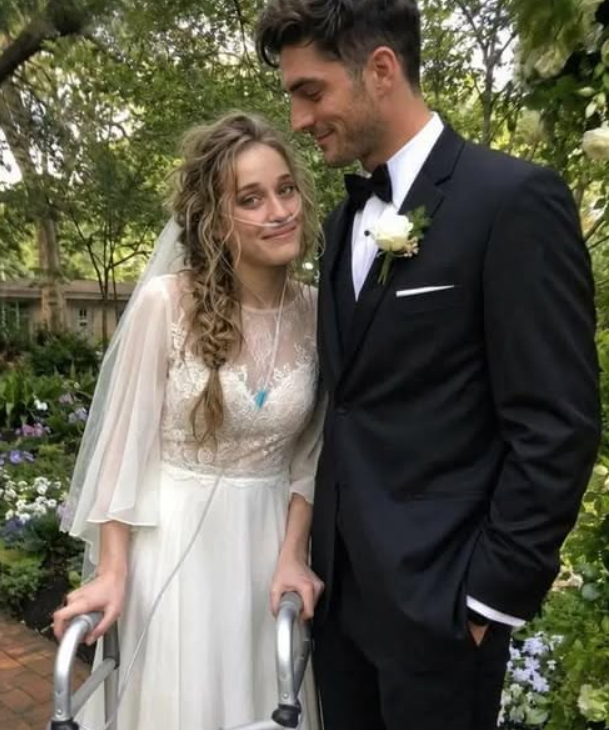
Serah walked down the aisle on her father’s arm, every step heavy with everything she had lost and everything she was still carrying.
Peter waited at the altar.
When she reached him, he leaned slightly toward her.
“You deserve someone who stays,” he said quietly. “Not someone who wonders if they can.”
The ceremony unfolded, but when Peter spoke his vows, something unexpected happened.
He looked at her—not as part of a plan, not as a temporary arrangement—but as if the rest of the world had faded.
“I thought I was just standing in for a moment in someone else’s story,” he said. “But I was wrong.”
A pause.
“You’re not a story I walked into. You’re a person I don’t want to walk away from.”
The room went silent.
Even Serah stopped breathing for a second.
The wedding didn’t feel like a replacement for what had been lost.
It felt like something entirely new had been born inside it.
Laughter returned. Music followed. Photographs were taken without anyone forcing smiles.
And when the day ended, Peter didn’t leave.
He stayed.
Not out of obligation.
But choice.
And in the time that followed—through appointments, treatments, fear, exhaustion, and quiet mornings that felt too heavy—he continued to stay.
Now, Serah writes this from hospice care.
The world has become smaller, softer, quieter.
And Peter is still here.
He holds her hand when words fail. He makes her laugh when pain makes everything else feel far away. He sits beside her like time no longer has authority over either of them.
She once believed her ending would be loneliness.
Instead, she found presence.
And love—not loud or dramatic or perfect—but steady enough to remain.
She doesn’t know how much time is left.
But she knows this:
She is not alone.
And somehow, that is everything.