“– Well, finally we secured 3.5 million against her house! – the mother-in-law laughed in the kitchen. And I was standing on the landing, holding a slightly crumpled passport in my hand, and in that moment I understood: this marriage was over.”
I was already putting on my shoes in the hallway when I remembered that I had left my passport in the bedroom on the dresser. It wasn’t important. Just a minute to go back and get it. But when I went upstairs and opened the bedroom door, I wasn’t met with silence.
But with voices from the kitchen.
Gennady and Zoya Pavlovna. My husband and his mother.
– Is it done? – the mother-in-law asked quietly, in a tone as if they were closing not a life, but a business deal.
– Yes, mama. I signed it yesterday. Three and a half million.
– For the house?
– For the house… and for the café too. Just as you said.
I stood on the stairs, the passport in my hand. The world seemed to stop for a moment.
I had been Gennady’s wife for eight years. A late marriage. I thought we were two adults who no longer played games. I was wrong.
The house was mine. Before I met him, I bought it myself, with my own money. Near Kalinovo, a run-down building that I rebuilt over the years, brick by brick.
The café, “Berezka,” had an even older story. Early mornings, flour, the smell of coffee, tired hands. Eleven years of work alone.
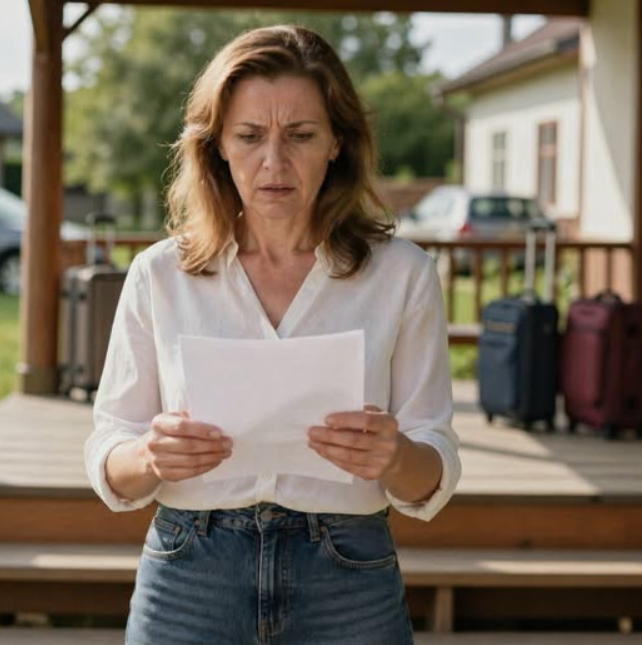
And now these two things—the house and the café—had been pledged for 3.5 million in my name.
– And if she finds out? – Gennady’s voice was uncertain.
– How would she find out? – Zoya Pavlovna cut in calmly. – There is a power of attorney. Everything is legal.
Power of attorney. That phrase echoed in my mind later too.
I recorded everything. I propped my phone against the railing; my hands were shaking, but I didn’t stop. Seven minutes and twenty-three seconds. That’s all it took for my life to split in two.
Then silence. They left.
I went back into the bedroom, and ten minutes later I was already in the car. I didn’t start the engine. I just sat there, feeling that anger wasn’t hot—it was cold, precise, calculated.
Valentina, my friend and accountant, listened to the story. “The house is in your name,” she said finally. “The café too. They couldn’t have sold or mortgaged it without your consent.”
“They said there was a power of attorney,” I replied. “Did you sign one?” she asked. “No.” At that point, there was no question anymore. This wasn’t a family dispute. It was a criminal offense.
At the bank, they showed me everything. A loan of 3.5 million. A mortgage on my house and my café. And the document with my name on it: the power of attorney. But the signature wasn’t mine.
“This isn’t my signature,” I said. The bank clerk went pale. Valentina looked at me and said only: “This is a police case.” And after that, there was no turning back.
At the police station, they didn’t ask many questions. “Your husband?” Yes. They nodded.
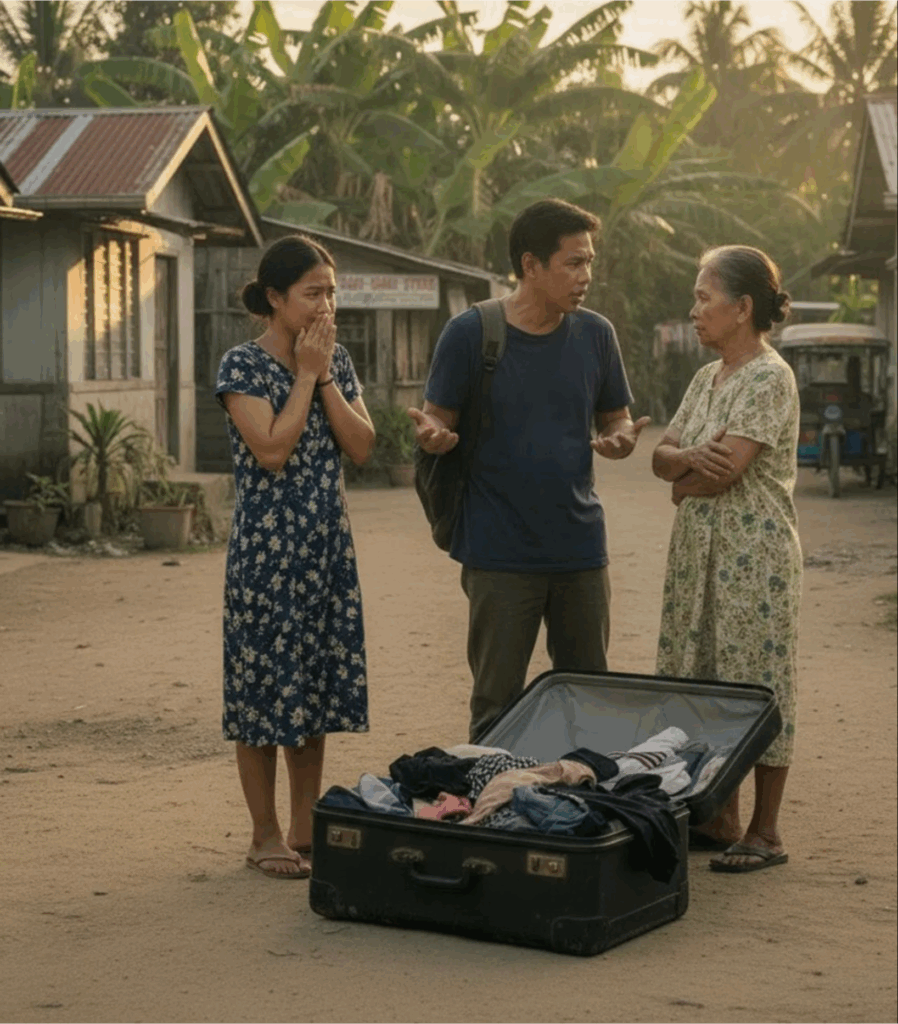
That evening at home, I had the locks changed. Not out of anger, but as a decision. I carefully packed my husband’s clothes into two suitcases. As if I were folding up a finished life. Eight years. Two suitcases. That was all that remained.
When he came home, the suitcases were already standing by the stairs. “Nina… what is this?” he asked. I didn’t answer. I just played the recording. “Three and a half million.” “Just as you said.” His face collapsed.
“Mama said you agreed…” I looked at him, and for the first time there was no anger or pity in me, only clarity. “She lied to you,” I said. “And you didn’t ask questions.”
He sat down on the stairs. “What should I do now?” “Go to her. She knows what to do.”
When he left, the sound of the gate lingered in the air for a long time. The house became quiet, but not чуждый—foreign—rather, mine again.
Three weeks later, the bank suspended the loan. A police investigation was launched. Gennady moved in with his mother and called every day, but I didn’t answer.
Zoya Pavlovna told everyone that I had destroyed the family, that I was hysterical, that I had overreacted. And the neighbors decided who to believe.
Every morning I opened the café just like before. Only now I didn’t ask anyone for permission. The flour still fell onto the table, the coffee still brewed, but every decision was mine—and so was every silence.
I don’t know whether I overreacted. I only know this: if I hadn’t stopped on that staircase, today I would have neither a house nor a café. Only a signature that was never mine to begin with.