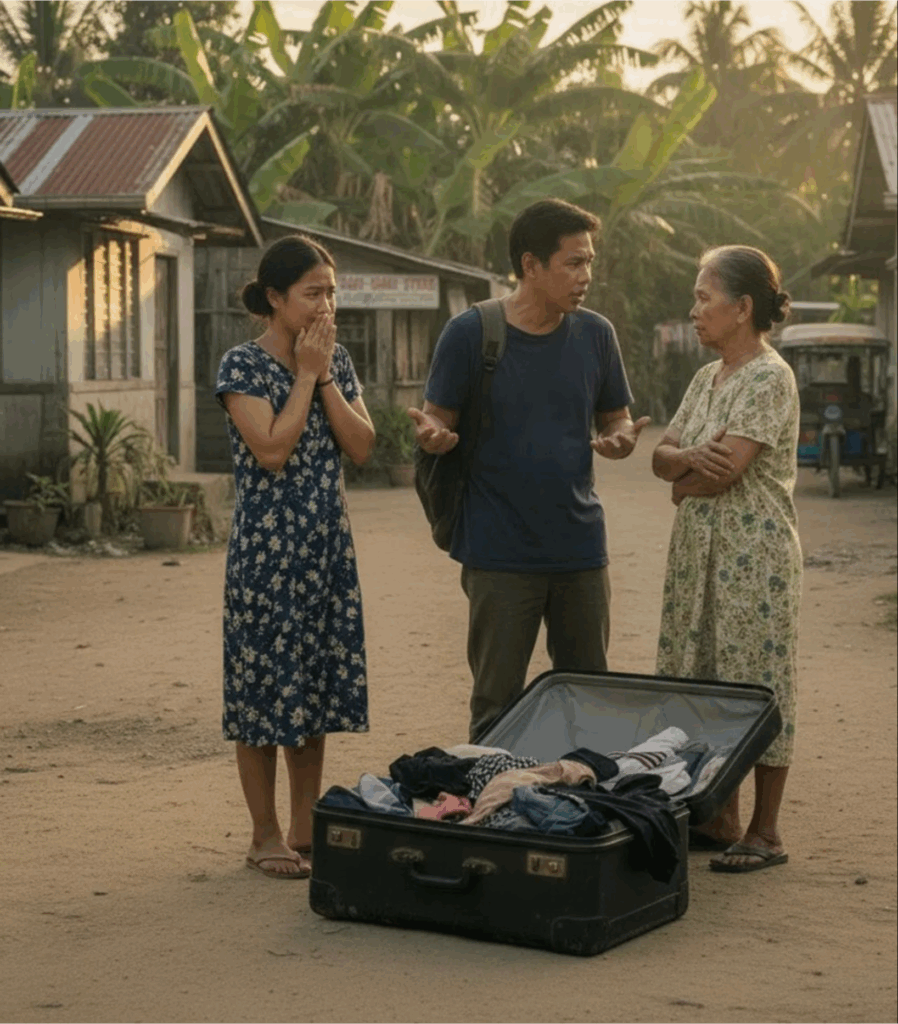
My children had collected money for my birthday. When I opened the envelope, I realized how little I apparently meant in their lives.
Sixty years — an age that is no longer ignored, but rather somehow assigned its place. I didn’t want to celebrate this day. No noise, no restaurant, no forced smiles. But deep inside me, where stubborn, childish hopes hide, I still hoped for something simple: that they would come. All three of them. That we would sit together, talk, drink tea, maybe laugh. Nothing more.
I have three children. Denis, the eldest, forty-one, lives in the capital and runs an IT department. Aljona, thirty-six, runs a small pastry shop that consumes her entire life. Kirill, thirty-two, lives the closest — yet still comes by rarely.
They are adults. Successful. Busy. And I raised them alone. With nights of exhaustion, with end-of-the-month soup made from nothing, and with the effort to never let them see how hard it sometimes was. I was proud. I still am. Only sometimes I wonder when I became a footnote in their lives.
A week before my birthday, Denis called.
“Mom, we can’t make it. Too much work. Aljona has peak season, I’m stuck in a project, but Kirill will bring you something from all of us. We’ve pooled together.”
“Pooled together?” I asked.
“Yes. A gift. You don’t want any fuss anyway, right?”
“No, of course not,” I said.
And hung up.
I sat in the kitchen for a long time afterward. That word lingered heavily in the air: *pooled together*. It sounded practical. Efficient. Like something completed, not something felt.
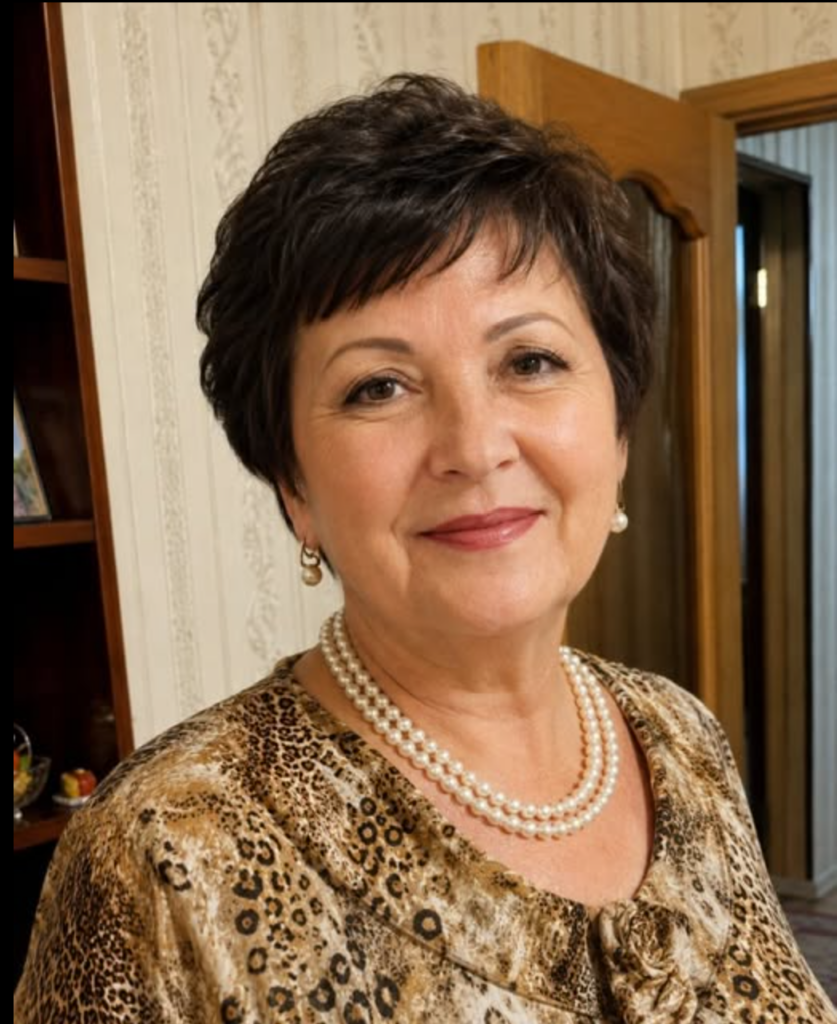
On the morning of my birthday, March 7, I woke up early as always. Coffee, silence, grey sky. In the mirror, a woman with wrinkles around her eyes and grey strands at her temples. Sixty years — outwardly nothing remarkable. Internally, a quiet weight.
Aljona called, cheerful, rushed.
“Happy birthday, Mom! I love you! I’m completely swamped, tomorrow I have a wedding cake… but Kirill is coming anyway!”
“It’s okay,” I said.
Denis texted: “Happy birthday, Mom. Love you. Kirill is coming.”
Three sentences. Nothing more.
Kirill arrived around noon. Briefly, hurriedly, half already on his way out. A one-armed hug, phone in the other hand.
“Happy birthday, Mom. Here, from all of us.”
He placed a white envelope on the table.
“Aren’t you going to open it?” he asked.
“Later.”
“I have to go.”
And he was gone.
For two hours, the envelope lay there. Then I opened it.
Six thousand rubles.
Six banknotes.
That was all.
Three adult children. Pooled together. For their mother.
I stood in the kitchen staring at the money as if it were a bad joke I didn’t understand. Not because of the amount alone. But because of what it meant: minimized effort. Presence replaced. Relationship checked off.
I didn’t cry. It simply became silent inside me. Ice-cold silence.
I cleaned the kitchen. Washed cups, watered the flowers, moved mechanically through the day as if I had to function, not feel.
That night I didn’t sleep.
And the next morning I did something I still can’t fully explain: I transferred back two thousand rubles to each of them.
With the same message to all three:
“Thank you for the gift. I am returning it. You probably need the money more. Mom.”
Two hours later, Kirill’s name lit up on my phone.
“Mom… what did you do?”
“You sent me six thousand rubles. I thought you might need it more.”
Silence.
“We didn’t mean to hurt you…”
“When then? When it’s too late?”
I was startled by my own sharpness. But I didn’t take it back.
Later, all three of them called together.
Aljona was crying.
Denis sounded calm, but shaken.
Kirill only said: “We’re coming.”
And they came.
All three of them.
Not alone, but with their families.
Aljona brought a simple honey cake. Denis brought an old photo album. Kirill cooked as if he suddenly had time.
The apartment was full. Voices, plates, laughter, children, life.
And at one point Aljona said quietly:
“Thank you for sending the money back.”
I looked at her.
“That’s something you do with strangers. Not family.”
Silence.
Then I understood that those words moved more than anything before.
Later, when everyone was talking, laughing, eating, I sat for a moment by the window.
For the first time in weeks, I cried. Not only from pain. But because something had become right again, without me being able to explain how.
The envelope is still in my drawer.
Not as money.
But as a reminder that closeness cannot be managed. Not with transfers. Not with excuses.
And that when silence grows between people, sometimes you have to give something back in order to be heard again.