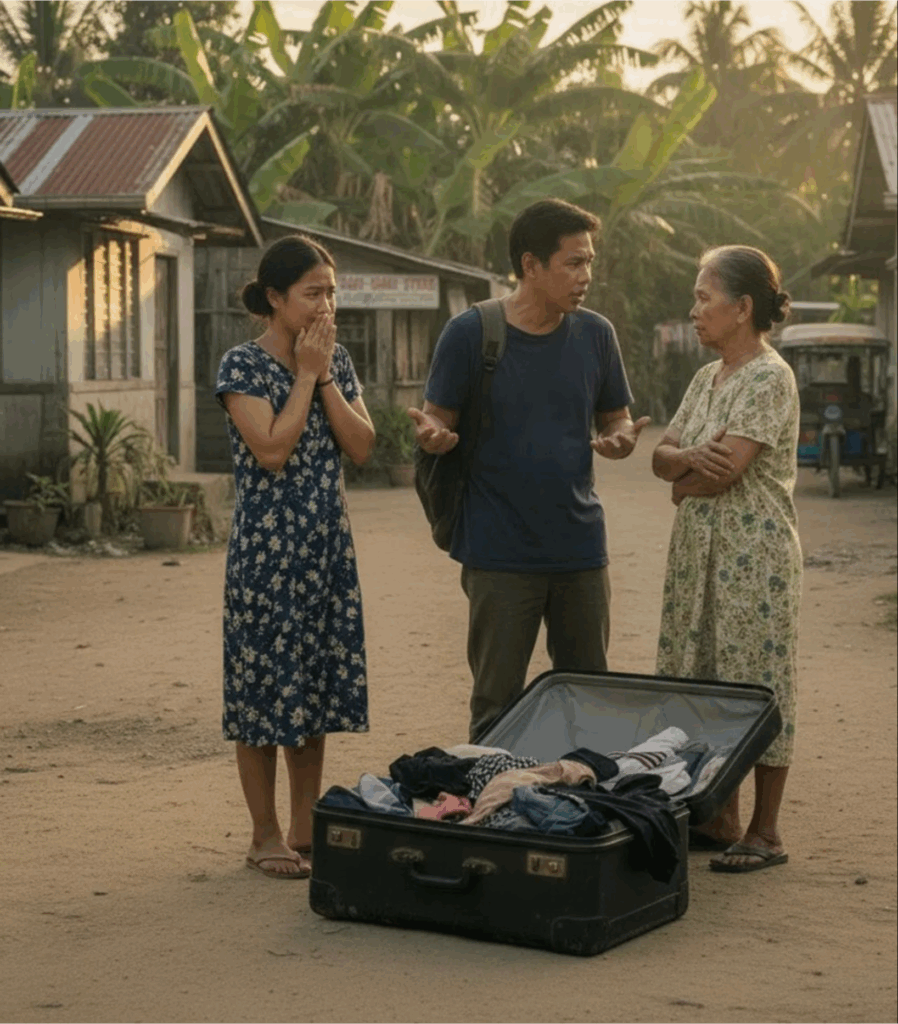
I caught my sixteen-year-old daughter whispering to her stepfather, so quietly it felt like the words themselves were afraid to exist in the air:
“Mom doesn’t know the truth… and she must never find out.”
That sentence froze something inside me.
Not just because of what was said—but because of how it was said. Controlled. Careful. Like she was carrying something far too heavy for someone her age, and had learned exactly how to keep it from spilling out.
The next morning, they acted normal.
Ryan told her they were going to buy school supplies—pens, notebooks, the ordinary cover story of an ordinary day.
They left together, and for a few minutes I tried to convince myself I had imagined the tension, that it was just teenage secrecy and nothing more.
Then my phone rang.
The school.
Unexplained absences. Days she had been marked present, when I had seen her leave with him instead.
My stomach tightened.
I didn’t think.
I grabbed my keys.
And I followed them.
They didn’t go to stores.
No shopping centers. No bookstores. No cafés.
They drove through the city in silence, past the places that make sense, until they stopped in front of a hospital.
A building too white. Too still. Too final.
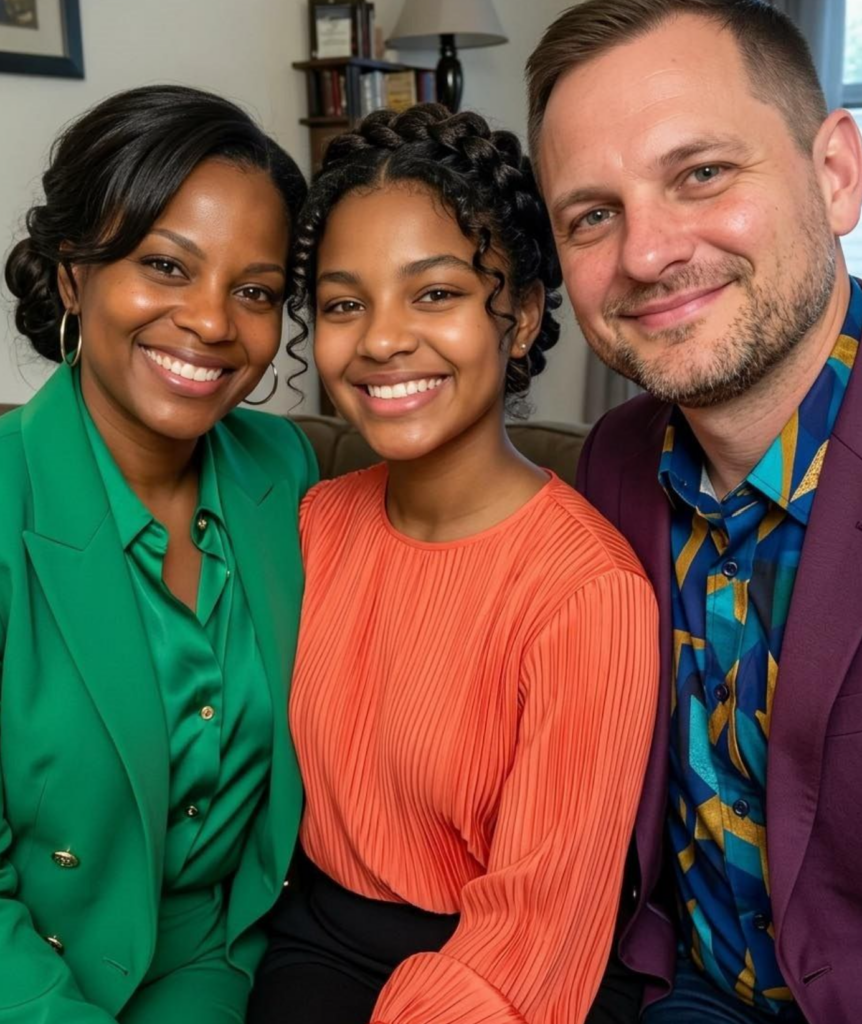
I watched them get out.
Ryan held a small bouquet of flowers—simple, restrained, almost fragile in his hands.
Avery looked different. Not like a child pretending to be grown, but like someone holding herself together by force alone.
They went inside.
I followed at a distance, my heartbeat loud in my ears, as if every step brought me closer to something I wasn’t sure I wanted to know.
Third floor.
A corridor that smelled faintly of disinfectant and time.
A room.
And then they came out.
Avery was crying.
Not openly. Not dramatically. Just quiet, breaking tears that refused to be contained.
I tried to go in.
A nurse stopped me.
The next day, they returned.
This time, I didn’t stay outside.
I walked in behind them, down the same corridor, until I pushed open the door.
And I saw him.
David.
My ex-husband.
Avery’s father.
Lying in that bed—pale, hollowed out, reduced by illness into something almost unrecognizable. Tubes, monitors, the slow mechanical rhythm of a body trying not to stop.
The past hit me all at once.
Brutal. Unfinished. Still alive in the worst possible way.
Ryan looked at me.
Not defensive. Not guilty.
Just exhausted.
And then he told me the truth.
David was dying.
He had reached out—not to me—but to them.
Desperate.
He wanted to see his daughter one last time before it was too late.
Avery had begged them not to tell me.
She was afraid I would refuse.
Afraid I would take that moment away from her.
For a moment, anger rose in me so fast it nearly drowned everything else.
He had left.
He hadn’t been there.
Not for years of her life. Not for the ordinary moments that actually build a father.
And now he came back only to say goodbye?
But when I looked at Avery, I understood something else.
She wasn’t asking for justice.
She wasn’t asking for forgiveness.
She was asking for a chance to let go without regret.
That evening, I made a decision I didn’t fully understand until I acted on it.
I went back with them.
I brought a pie.
Her favorite.
Not as peace.
Not as forgiveness.
Just as something human in a place that felt too cold for anything human.
When I looked at David, I said quietly:
“I’m here for her. Not for you.”
He nodded.
No arguments. No excuses.
Just acceptance.
And somehow, that was enough.
Weeks passed.
We kept going back.
Nothing was repaired.
Nothing was erased.
But something in our home shifted.
Avery stopped hiding things.
She spoke more. She laughed again—small, uncertain bursts of sound like she was remembering how.
She slept better.
She breathed easier.
One evening, she came to me and held me tightly, as if she was finally letting herself be held without fear of what might happen next.
And she whispered:
“I’m glad you didn’t say no.”
Love doesn’t rewrite the past.
It doesn’t fix what’s broken.
But sometimes…
it gives us just enough strength to let someone say goodbye.