When Thomas left that evening, Anna remained seated in the kitchen for a long time, completely still, as if movement might break something fragile inside her. The silence in the apartment was not empty—it was heavy, almost physical, pressing against the walls.
She stared at the table, trying to understand where everything had gone wrong. His plate was still there, untouched, with dried sauce clinging to the edges, and the wine glasses caught the pale light of the lamp like frozen memories of a conversation that had already ended.
She didn’t cry. She didn’t scream. Something in her had already done both, many times before, in quieter ways that no one saw. Years of disappointment, of waiting for things to change, of convincing herself that love alone would be enough to fix what was broken
—had finally worn her down. What remained was not chaos, but stillness. A quiet, final kind of exhaustion.
That night, sleep came in fragments. Every sound in the apartment felt amplified: the ticking clock, the faint creak of the building, her own thoughts finally rearranging themselves into something clear and undeniable. By morning, she woke early.
There was no hesitation in her movements. She brewed coffee, opened every window, and let in cold spring air that felt almost like permission.
Then she sat at her desk. For a long moment she only looked at the blank page. Then she wrote: “Divorce petition – Anna Dumont, plaintiff.” Her hand trembled slightly, but she didn’t stop. For the first time in years, fear wasn’t leading her decisions.
Around noon, the front door opened.

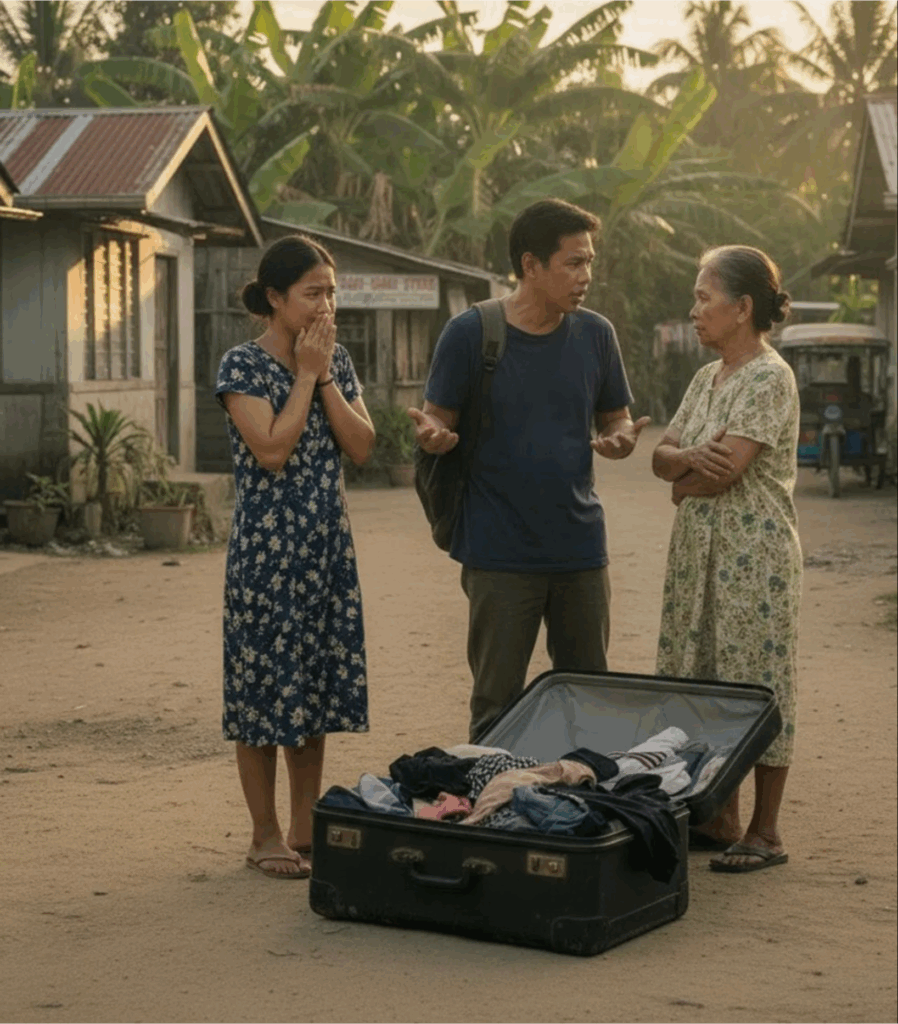
Thomas walked in with the casual confidence of someone who expected the world to remain unchanged. It disappeared the moment he saw the three neatly packed suitcases waiting in the hallway.
“What is this?” he asked, forcing a small laugh. “Is this some kind of joke?”
Anna stood in the living room. Calm. Steady. No raised voice, no shaking anger—just clarity.
“No,” she said. “It’s the end.”
He stared at her, waiting for the sentence to soften, to turn back into something familiar.
“Anna, don’t overreact,” he said. “It’s just a phase. Mistakes happen.”
She looked at him for a long moment.
“A mistake,” she repeated quietly. “Was believing I had to endure everything to keep this together.”
His expression tightened.
“You talked to Clara, didn’t you?”
“Yes,” Anna said. “And for the first time, someone didn’t lie to me.”
“That’s not fair—”
“It’s not about fairness anymore,” she interrupted. “It’s about truth. And there’s nothing left here to argue about.”
He fell silent. Eventually, he picked up the suitcases. There was nothing dramatic about his departure—no final speech, no apology that meant anything. The door closed behind him softly.
But the sound echoed.
Not loudly. Just enough to mark an ending.
The first days that followed felt strangely weightless. The apartment, once filled with tension even in silence, now felt open. Empty—but in a way that no longer hurt the same way. Anna began to move differently inside it, as if rediscovering space that had always belonged to her but had been forgotten.
She bought flowers. Opened windows without thinking. Called friends she had neglected for years. Slowly, life started returning in small, ordinary ways that didn’t ask permission.
On Sunday, she visited her father. Robert was in the garden, watering roses as if nothing in the world ever truly changed.
“You look thinner,” he said immediately. “What happened?”
Anna gave a faint smile.
“I let go of something heavy.”
He studied her for a moment.
“Thomas?”
She nodded.
Robert didn’t ask anything else. He simply hugged her tightly.
“Good,” he said. “Some people are not meant to stay in our lives.”
Weeks later, Clara called. They met in a small café. Clara looked worn down, like someone who had learned a lesson too late.
“You were right,” she admitted. “About him.”
Anna didn’t feel triumph. Only understanding.
“It’s not about being right,” she said. “It’s about when we finally stop ignoring what we already know.”
They sat in silence for a while, sharing something unspoken between them.
Months passed. The divorce was quiet, almost procedural. No shouting, no courtroom drama—just closure.
Anna stayed in the apartment, but it no longer felt like the same place. Not because the walls had changed, but because she had.
In spring, she bought a ticket to Lisbon. No detailed plan. Just movement toward something unfamiliar. When the plane lifted off the ground, she watched the city shrink beneath her and felt something inside her settle for the first time in years.
Not happiness yet.
But peace.
Thomas tried to return in fragments—messages, apologies, short sentences filled with late regret. She never replied. Eventually, she changed her number and closed that chapter completely.
She began to write. First privately, then publicly. Her story was eventually published under the title: “The Woman Who Learned to Leave.” Readers wrote to her, saying they recognized themselves in her words.
One evening after a reading, a man approached her.
“Your story changed something in me,” he said.
Anna smiled, unsure of what would come next. And for the first time, she didn’t feel the need to decide immediately.
Because she understood now that freedom isn’t the absence of love.
It is the absence of fear.
And in her small apartment—once filled with silence that hurt, now filled with music, light, and ordinary life—a red rose bloomed on the windowsill. A gift from her father.
Every morning, Anna looked at it and thought the same quiet thought:
This time, I won’t miss spring.