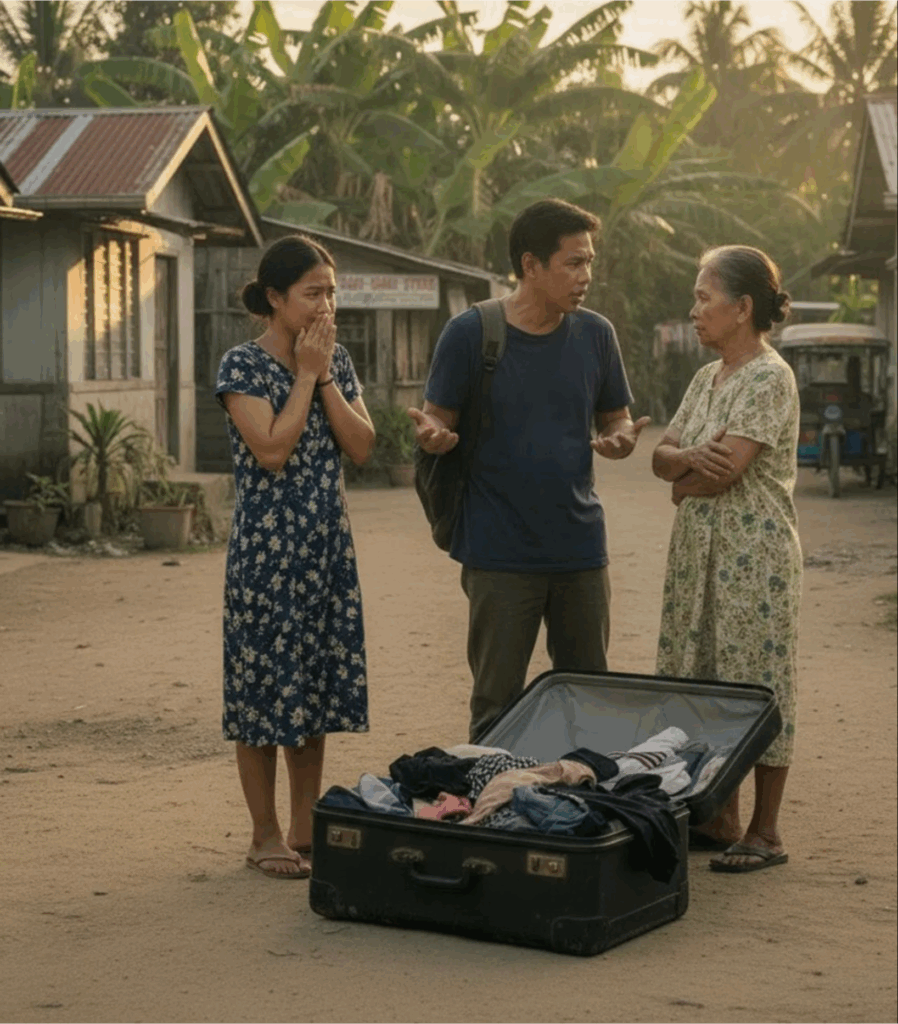
My foster son stood silently in front of his birthday cake. The kitchen was filled with balloons, soft light, and the sweet scent of vanilla, yet he looked completely detached from it all—like he didn’t belong in this moment at all.
His eyes stayed fixed on the flickering candle.
Then, without warning, tears began to roll down his cheeks.
“Yesterday was my birthday…” he whispered.
A cold shock ran through me. The official documents clearly stated today’s date. Everything had been confirmed, recorded, signed.
And yet, in that instant, nothing felt certain anymore.
What else had been hidden from me?
“Do you want a boy or a girl?”
The question had once felt almost irrelevant.
“I just want to be a mother,” I had answered.
I didn’t dream of perfect family photos or neatly planned traditions. I only wanted to change someone’s life. To be a mother to a child who needed one.
And that child became Joey.
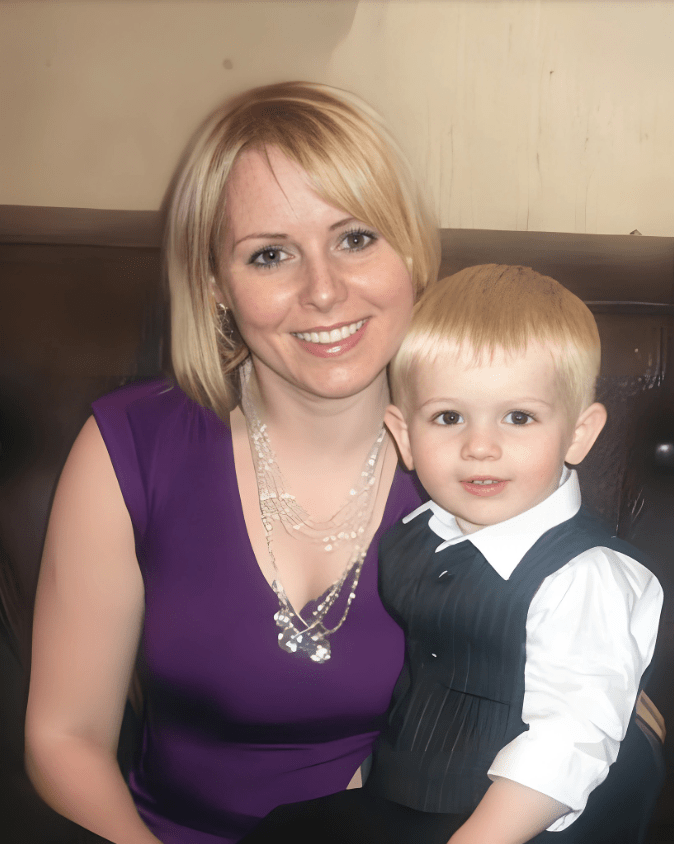
When I first met him, he sat quietly in a foster home, small and guarded, watching the world like he didn’t trust it to stay kind. His fingers clung to the edge of my sleeve as if I might disappear if he let go.
“We’re never coming back here,” I told him, kneeling beside him.
He studied me for a long moment.
“Never?” he asked softly.
“Never. I promise.”
After a pause, he slowly reached for my hand.
“Okay… but I don’t eat green beans.”
I almost laughed.
“I’ll remember that.”
And that was the first crack in his walls.
Our early days were messy, chaotic, and strangely beautiful. On his birthday morning, we turned the kitchen into a disaster of flour and laughter. It looked like a snowstorm had exploded indoors.
“Are we making pancakes or decorating the kitchen?” I teased.
“Both!” he declared proudly.
For the first time, I saw him truly laugh.
But when it was time for the cake, something shifted.
“This isn’t my birthday,” he said suddenly.
I froze.
“My birthday was yesterday.”
“But the documents say—” I started.
“They got it wrong,” he said quietly. “My brother and I always celebrated together. Grandma Vivi said I was born just before midnight, so we had two birthdays.”
That was the first time he spoke about his past.
“You have a brother?” I asked softly.
“Yeah. His name is Tommy.”
And just like that, a hidden life opened between us.
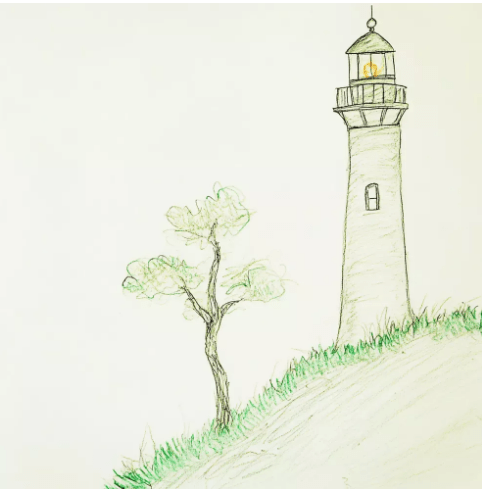
The next day, he showed me a drawing.
A lighthouse.
“That’s where Grandma Vivi used to take us.”
And that became our search.
The seaside town was crowded and loud, full of strangers and salt air. Joey held the drawing tightly, as if it were the only proof that his memories were real.
“What if she doesn’t remember me?” he asked.
I had no answer.
Then we saw her.
Grandma Vivi.
And in the doorway of her house… a boy stood.
Same eyes.
Same face.
A mirror of Joey.
“Tommy…” Joey whispered.
And then he ran.
Their embrace said everything words never could.
Later, Grandma Vivi finally spoke.
A car accident.
A devastating choice.
A life split in two.
“I thought I was doing the right thing,” she said.
But her voice carried the weight of regret.
Joey simply said:
“It’s okay, Grandma. I found my mom.”
And in that moment, everything shifted.
Joey and Tommy moved in with me.
And every weekend, we returned to the lighthouse—the place where pain had once begun, but where healing slowly learned how to live.
Because family isn’t about perfect decisions.
It’s about finding your way back to each other.