Myth vs. Fact: Aneurysm — What People Often Get Wrong (and What Science Really Says)
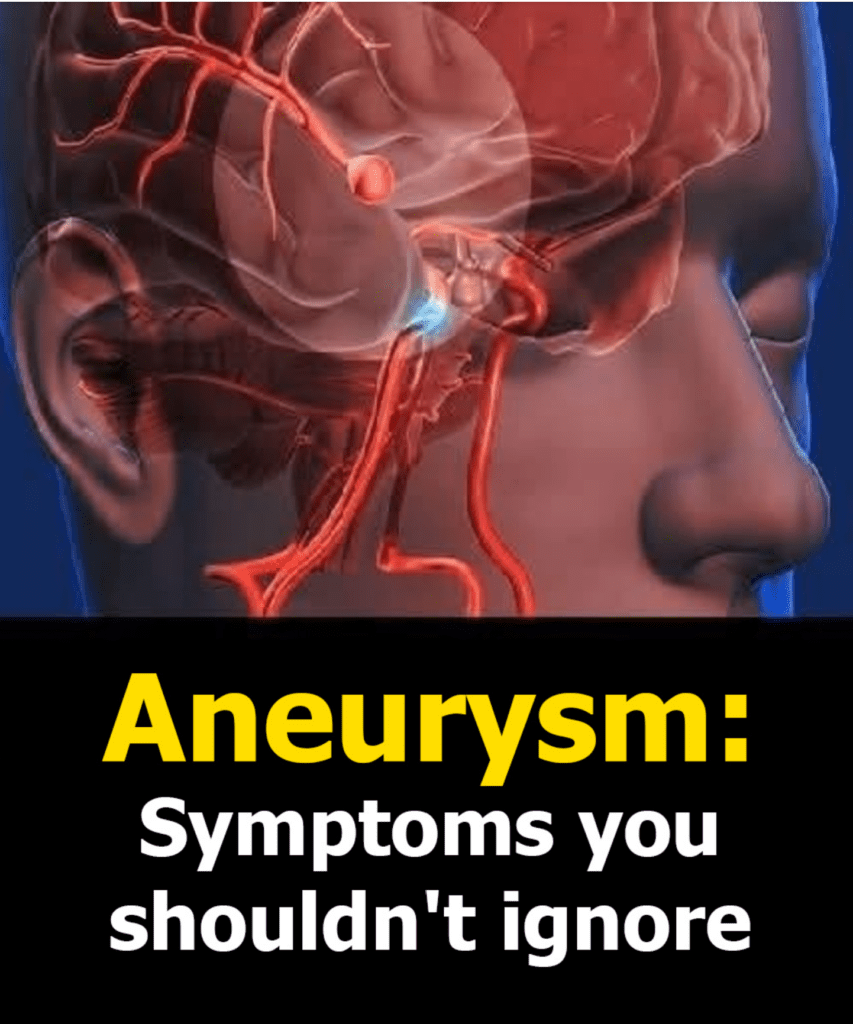
An aneurysm is a weakened, bulging area in the wall of a blood vessel—often described as a “ballooning” of an artery. The dangerous part is not what you feel, but what you don’t feel. Because many aneurysms stay silent until a critical moment, myths around them are common—and sometimes risky.
Here’s what people believe versus what medical science actually shows.
Myth 1: “Aneurysms only happen in older people.”
Fact: They can occur at any age.Blood vessels naturally lose elasticity with age, which increases risk. But aneurysms are not limited to aging bodies.They can also develop due to: Genetic conditions affecting connective tissue (like weakened vessel walls)
Inherited predisposition Congenital vascular weaknesses Lifestyle factors such as smoking and long-term high blood pressureIn short: age increases risk, but it doesn’t define it.
Myth 2: “If there are no symptoms, it’s harmless.”
Fact: Most aneurysms are silent—until they aren’t.Many aneurysms cause no symptoms at all because they don’t press on nearby structures. But silence does not mean safety.Inside the body, a weakened artery wall is constantly under pressure from blood flow.
Over time, that pressure can stretch the vessel further, thinning it until it eventually tears or ruptures.When rupture happens in the brain, it can cause a subarachnoid hemorrhage—a life-threatening emergency.
Myth 3: “It’s just a bad headache.”
Fact: A ruptured brain aneurysm causes a very specific, extreme pain.People often describe it as:> “The worst headache of my life.”This isn’t a typical migraine or tension headache. It happens because blood suddenly leaks into spaces around the brain, irritating sensitive tissues.
It may also come with: Nausea and vomiting Neck stiffness Light sensitivity Fainting or collapseThis is always an emergency.
Myth 4: “Healthy people don’t need to worry.”
Fact: Aneurysms can develop in otherwise healthy individuals.Even if someone appears fit and active, microscopic changes can still weaken artery walls. These include: Low-grade inflammation Breakdown of structural proteins like collagen and elastin
Abnormal blood flow patterns that stress vessel wallsAdditional hidden risks include: Undiagnosed hypertension Chronic stress Family historyHealth on the outside does not always reflect what’s happening inside blood vessels.
Myth 5: “Every aneurysm eventually bursts.”
Fact: Many never rupture—but some are far more dangerous than others.Whether an aneurysm ruptures depends on: Its size Its location in the body or brain How fast it is growing The strength of the vessel wallSome remain stable for years and are simply monitored with scans.
Others require preventive treatment such as:Endovascular coilingSurgical clipping Doctors evaluate each case individually to decide the safest approach.What an Aneurysm Actually Is (Inside the Body)An aneurysm forms when part of an artery wall weakens and starts to bulge outward under blood pressure.
This weakening typically involves: Loss of structural support proteins (collagen and elastin) Chronic inflammation of the vessel wall Irregular blood flow that increases stress on one spotOver time, the wall may thin so much that it can rupture—leading to internal bleeding that can become rapidly life-threatening.
Why This Matters
The real danger of aneurysms is invisibility. Many grow quietly, without symptoms, until a sudden rupture occurs.Understanding the facts can help people: Recognize warning signs earlier Understand personal risk factors Seek medical attention before complications develop
Possible Warning Signs (Before Rupture)
Some aneurysms—especially in the brain—can press on nearby nerves, causing symptoms such as: Pain behind or above one eye Blurred or double vision Drooping eyelid Dilated pupil Facial numbness or weaknessThese signs deserve medical evaluation.
Emergency Signs of Rupture
A ruptured aneurysm is a medical emergency. Symptoms may include: Sudden, explosive headache (“worst ever”)Nausea and vomiting Stiff neckSensitivity to light Confusion or loss of consciousness SeizuresIf these appear, immediate emergency care is critical—every minute matters.
Bottom Line
Aneurysms are not common conversation topics, but they are important to understand. They can be silent, unpredictable, and serious—but they are also increasingly detectable and treatable when caught in time.Awareness isn’t about fear. It’s about recognizing what the body rarely warns you about—until it suddenly does.