I was in the supermarket, in the most harmless place in the world—between stacks of bread, flickering neon lights, and the quiet hum of refrigeration units—when my phone vibrated.
My sister.I already knew from the first buzz that this wouldn’t be a normal call.
“You’re covering my rent this month. $2,600. Dad says you make enough, so don’t argue.”
No hello. No “do you have a minute?” No trace of hesitation.
Just an order, as if my bank account were a public fund.
I stopped, my hand still in the freezer section, between a bag of peas and a frozen pizza. Behind me, a shopping cart squeaked, somewhere a child was crying, as if the world had no idea that something was shifting out of balance.
“Excuse me?” I asked slowly.My sister sighed loudly—that familiar sound of someone who believes they are being unfairly burdened by a pointless discussion.
“I already told the landlord you’d transfer it today. Don’t embarrass me.”
There it was. Not a request. Not help.An expectation, as if I had already agreed.As if my consent was just a formality to be filled in afterward.
Before I could respond, the phone vibrated again.My father.“If you don’t help, don’t bother coming to Thanksgiving.”I stared at the screen.Three days until Thanksgiving.
And suddenly it wasn’t a family holiday anymore in my mind—it was a test, a checkpoint where I was supposed to prove my loyalty.
Something inside me went still.Not anger.More like silence.
The kind of silence that arrives when you finally understand something has been repeating for a long time—and you’ve only just realized you’ve been part of it.
I placed the phone in the shopping cart and kept walking.I didn’t really buy anything after that.On Saturday morning, my phone rang again.Unknown number.

“Good morning, Ms. Mercer,” a calm male voice said. “I’m your sister’s landlord.”
I sat up straighter instantly. Coffee still warm in my hand.
“I think there’s been a misunderstanding,” I said immediately. “I didn’t sign anything.”
A pause.A quiet exhale, as if he expected exactly that answer.“I thought so.”And then he explained.
Not dramatically. Not emotionally.
More like tiredly—like someone who has told the same story too many times.
Brianna had listed my name as financial backup. Without my consent. She had told him I would cover the rent. Not maybe. Not possibly. But certainly.
She had even claimed my father “managed the family finances.”I had to close my eyes for a moment.Not because I was surprised.Because it felt familiar.
That pattern: Brianna builds a reality out of excuses. My father stabilizes it with authority. And I get pulled into it as if I’m part of it.
“I’m not paying for her,” I said calmly.
“That’s not what I need,” he replied. “I just need clarity.”And that was the moment everything shifted.
A few hours later, the storm began.My father: WHAT DID YOU DO?!My mother: Please fix this, they’re evicting her!!Brianna: You ruined my life.
Messages came in waves, like something crashing repeatedly against the same shore.I put my phone on silent.
I sat in my kitchen. Quiet in a way that felt almost unfamiliar.
No drama in the background. No calls pulling me into someone else’s urgency.Just me.And something expanding slowly inside me: space.
On Sunday, I learned the full truth.Brianna had been paying irregularly for months.
Promises. “Emergencies.” New explanations each time.
And every time, someone else had stepped in—or I had been made emotionally responsible for it.This time, no one filled the gap.The landlord acted.Not out of revenge.But consequence.
My mother called.“They’re on the street,” she whispered.
“They were already on the edge,” I said quietly.A pause.“How can you be so calm?”
I looked out the window. People walking, cars moving, the world continuing as if nothing had happened.“Because I didn’t cause it,” I said. “I just stopped preventing it.”
That evening, my father sent his final message:“If Brianna loses her apartment, you are no longer part of this family.”
I read it twice.It would have destroyed me once.
I would have immediately tried to fix something that was never mine to hold.But this time it felt different.Like something had finally been spoken aloud that had always been true, just never admitted.
“Then I guess that’s how it is,” I wrote back.And put the phone down.
The following days grew quieter.Not peaceful.Relatives reached out with half-stories and full opinions:
“You could have helped.”“You don’t abandon family.”“That’s selfish.”But between all those voices, something else began to form:questions.
And questions are dangerous for stories that only work when no one asks them.Brianna lost the apartment.
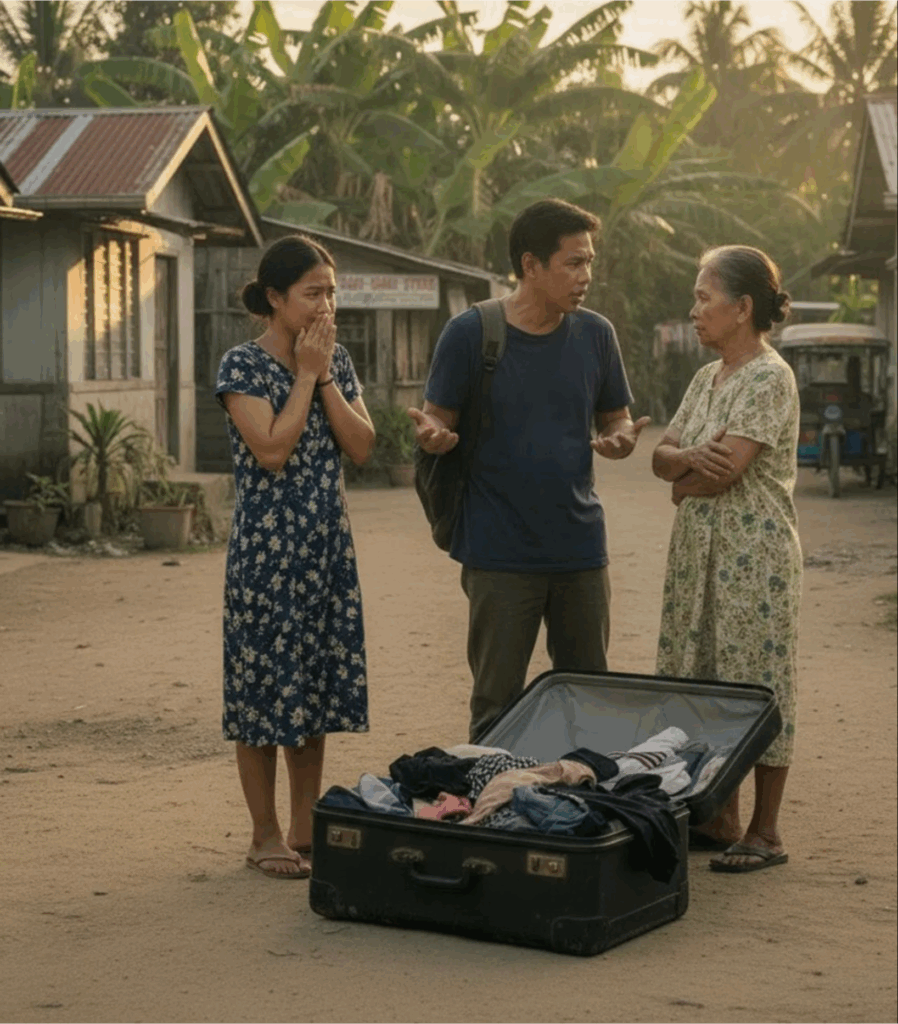
Her belongings were packed into plastic boxes at my parents’ house.My mother sent photos of them, as if they were evidence of an accident no one could prevent.
My father stayed silent afterward.For weeks.And then Brianna finally wrote, late at night:You could have saved me.
I read the message in the dark.The phone light was the only light in the room.And I noticed how calm I remained.Not cold.Not proud.Just clear.
I set the phone down without replying.Because something was different now.Before, my silence meant fear.This time, it meant choice.