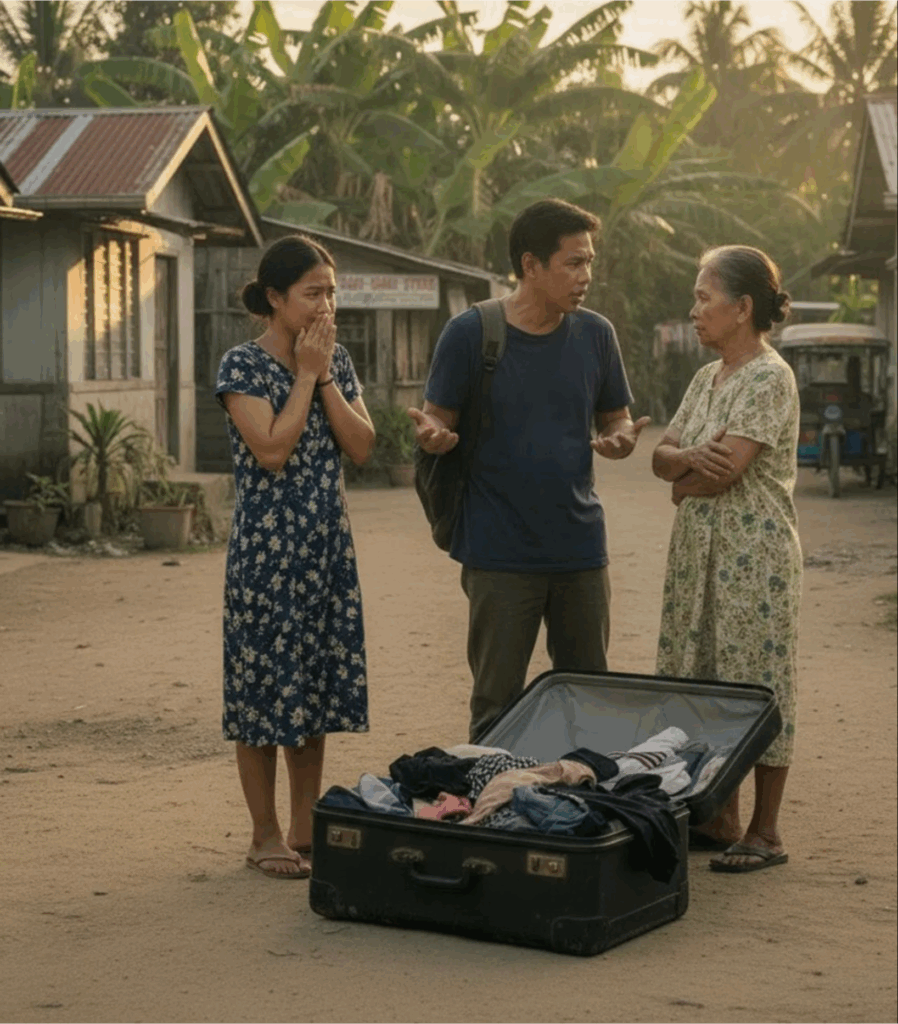
Katya left Luzhjanki in August, just a few days after graduating. She didn’t leave because she hated her hometown — she left because she understood it too well. She knew exactly what would happen if she stayed:
in a year she’d be working at the local grocery store, in two she’d marry someone from the neighborhood, and in three she’d stop wondering whether life could be different. She had seen it happen to others.
She had watched the light fade from the eyes of those who kept postponing their departure.
At the bus station, her mother cried as if sending her off to war. Her father stood beside her, lips pressed tight, silent as always in difficult moments. Her younger sister, Alina, fourteen at the time, ate an ice cream and watched Katya with open, unmistakable envy.
Katya didn’t cry when the bus pulled away. She stared out the window at the shrinking figure of her mother and the familiar outlines of the town, thinking only of what lay ahead — a big, unfamiliar city where she would have to build a life from nothing.
And she did.The first year was brutal. She rented a corner of a small apartment shared with four other girls and worked two jobs — mornings in a café, evenings in a warehouse.
She slept little, ate whatever she could afford, and counted every coin. Still, she didn’t complain. When she called home, she said everything was fine.
By the third month, she started sending money to her parents. It wasn’t much, almost symbolic, but she sent it anyway. Her mother resisted at first, then accepted it. Her father pretended not to notice.
In her second year, Katya found a job at a small company. There, she discovered something unexpected about herself: she was good with people. She knew how to listen, how to choose the right words,

how to make others feel understood. She realized she could persuade — and that realization changed everything.She began saving.The idea came to her by chance, in a poorly arranged accessories shop that somehow still attracted customers.
Katya immediately saw what was wrong — and what could be improved. If this place could survive like that, she thought, imagine what it could be with care and attention.
She spent months preparing. She studied the market, talked to business owners, observed everything. Finally, she rented a tiny space and built her shop from the ground up — painting walls, installing shelves, choosing products.
At first, she was afraid. Then curiosity took over.The shop didn’t succeed overnight, but slowly it began to grow. Customers returned. Sales improved. Katya learned what worked and what didn’t. Step by step, she built something stable.
She sent more money home now. Not out of obligation, but because she could. Her father had stopped working due to health issues, her mother earned little, and Alina… Alina was in no hurry to leave.
Eventually, Alina met Dima. Within six months, they announced they were getting married — and not just a simple wedding, but a large, elaborate one.
Katya was happy for her, but something didn’t sit right.“Where did the money come from?” she asked.“We managed,” her mother replied vaguely. “Don’t worry.”
Katya didn’t press further.Months later, when she finally visited home, she found out the truth.“We sold your grandmother’s apartment,” her mother said.
Katya went still.
That apartment wasn’t just property. It was memory, belonging, a promise that had never needed to be written down. Everyone had always known it would be hers.
And yet, it was gone.She didn’t shout. Her voice was quiet, almost flat.“It was mine,” she said.“It wasn’t legally written…”“It was understood.”
That was the real betrayal — not just the act, but the ease of it. The fact that no one thought to ask her.She left a few days later.
Some time after that, her mother called again. Her voice was strained — Alina was pregnant, and Dima had lost his job. They needed help.
Katya stood by the window of her apartment, looking out at the city lights, and thought carefully before answering.“I can’t help,” she said.Not out of anger.
Out of clarity.Her life went on. The shop grew. Her days were full, demanding, and meaningful. The city no longer felt чужой — it was hers.
Her relationship with her parents didn’t break, but it changed. A quiet distance settled between them. No arguments, no drama — just something that couldn’t be undone.
Her grandmother’s apartment was gone forever. And with it, the feeling that somewhere, there was a place that would always belong to her.
But something else had taken its place.The certainty that she could stand on her own.
One morning, she opened her shop and paused in front of the display window. Flowers, light, carefully arranged details — everything created by her own hands.
She allowed herself a small smile.And moved forward.