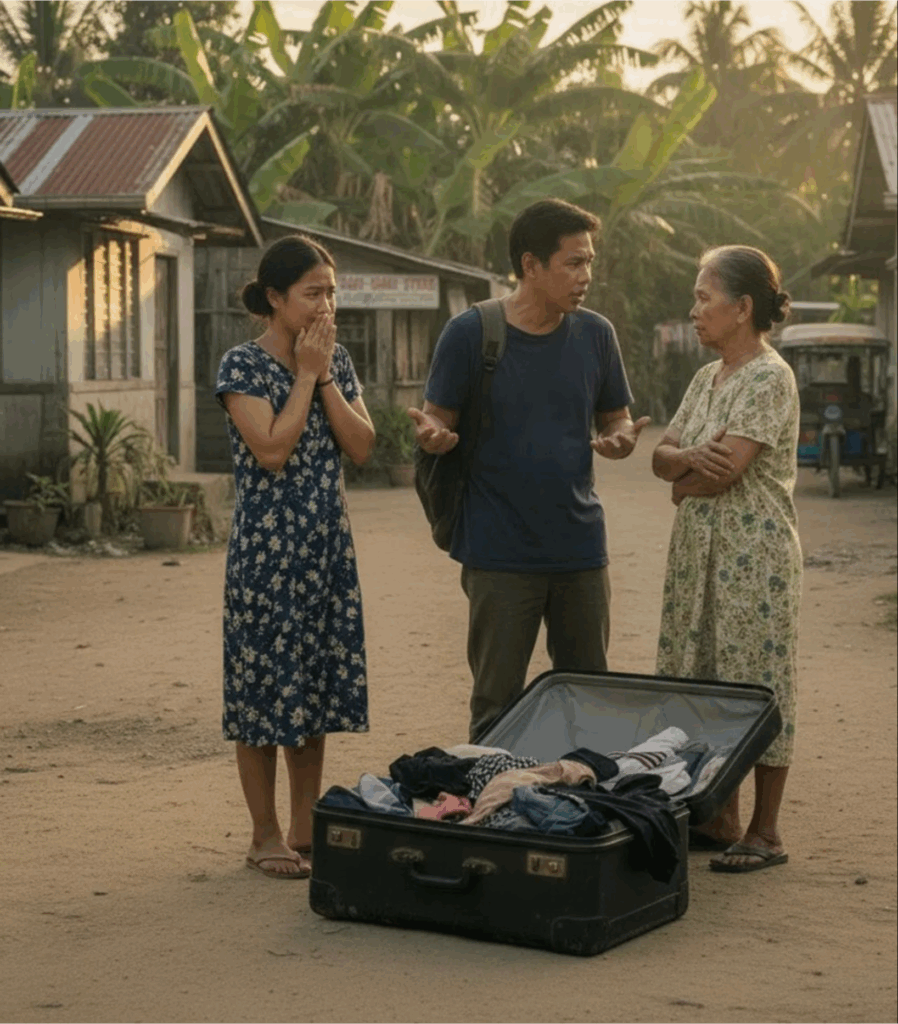
Almost the entire village gathered for the funeral, as if their quiet presence could somehow embrace Varia in her grief. Some brought food, others helped with arrangements—small acts of kindness that still could not fill the emptiness left by her mother’s passing.
From that day on, Aunt Maria, her godmother, became her only real support. She visited often, guiding her, telling her what needed to be done and how to carry on. Varia listened silently and tried her best.
In time, she finished school and found work at the post office in a nearby village. Her life settled into a simple, steady rhythm. She was a strong, full-bodied girl—“milk and blood,” as people liked to say.
Her face was round, her cheeks rosy, her nose a little broad, but her gray eyes shone with a quiet, gentle light. A thick, light-brown braid reached down to her waist, swaying softly with every step.
But in the village, it wasn’t Varia who drew attention. All eyes were on Nikolai. He was considered the most handsome man around, and he knew it. Two years had passed since he returned from the army, and he lived as if life were endless and carefree.
Girls followed him with their eyes, laughed louder when he passed, found reasons to speak to him. Even the girls from the city, who came in the summer, couldn’t ignore him.
With his looks, people said, he belonged in films—not driving a truck along dusty village roads.Nikolai, however, wasn’t in a hurry to settle down. He enjoyed his freedom.
That changed the day Aunt Maria came to him and asked for a favor—to help Varia fix her fence, which had started to lean badly. Life in the village was hard without a man’s strength. Nikolai agreed, perhaps out of politeness, perhaps out of indifference.
When he arrived, he looked things over and immediately began giving orders.“Bring this.”“Hand me that.”“Go over there.”Varia obeyed without a word.
She hurried to do whatever he asked, her cheeks growing redder each time she came close. Her braid swung behind her, betraying her nervousness.
When he grew tired, she fed him hot borscht and poured him strong tea. She sat across from him, watching quietly as he ate, taking in every movement, every expression, as if trying to hold onto the moment.
He worked on the fence for three days. On the fourth, he came back for no reason at all.Then again.Soon, he was visiting her regularly. He always left before dawn so no one would see. But in a village, nothing stays hidden for long.
Aunt Maria tried to warn her.“Don’t hope, my girl,” she said. “He won’t marry you. And even if he does, you’ll suffer.”But love doesn’t listen to reason.
Not long after, Varia realized she was pregnant. At first, fear overwhelmed her. She even thought about getting rid of the baby. She was young, alone, with no support. But then another thought took hold: she wouldn’t be alone anymore.
By spring, her belly was showing. The village began to whisper. Nikolai came to ask what she intended to do.“I’ll keep the child,” she said calmly. “I’ll raise it on my own.”
He looked at her strangely—something like admiration mixed with confusion—then left.And disappeared.Summer came, along with the beautiful girls from the city. Nikolai returned to his old life. Varia continued hers—harder now, heavier.
She worked as much as she could, her belly growing, every movement more difficult than the last. Each day was a struggle.Then one September morning, a sharp pain woke her. Aunt Maria understood immediately and ran to fetch Nikolai, shaking him awake.
Once he grasped the situation, he acted quickly. He put Varia into his truck and drove toward the hospital. The road was full of holes, every bump sending pain through her body. She bit her lips to keep from crying out.
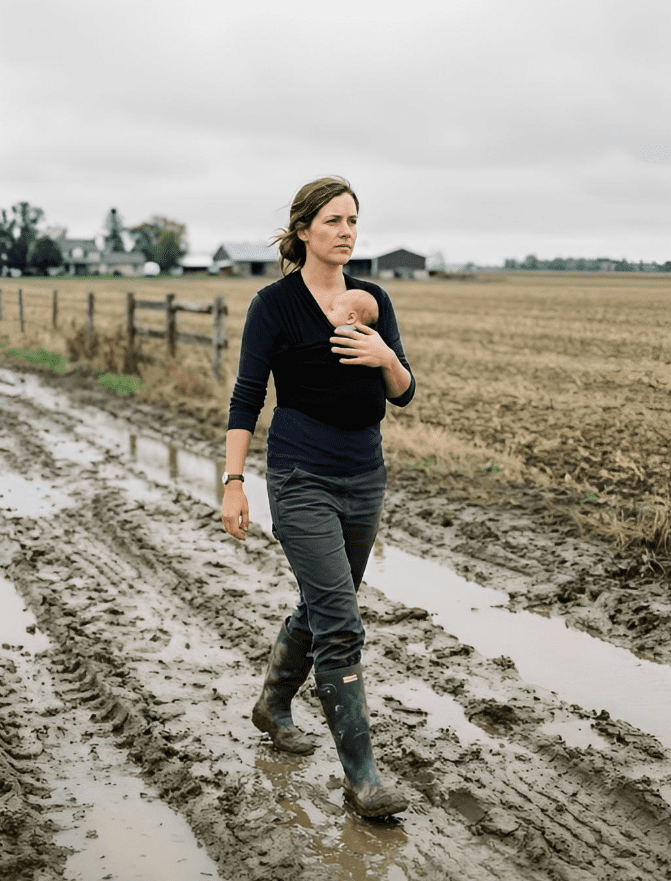
But they made it.Varia gave birth to a healthy baby boy.When she was discharged, no one came to take her home. On the way back, the car got stuck in thick mud. She had no choice but to walk.
With the baby in her arms, she stepped into the mud. The cold crept into her bones. One of her shoes got stuck and was left behind, but she didn’t stop. She kept going.
By the time she reached her house, she was barely standing.She opened the door… and froze.Inside, there was a cradle, a stroller, and neatly folded baby clothes. At the table sat Nikolai.
He woke, saw her, and immediately rushed over. Without a word, he took the baby, brought warm water, washed her feet, and set food before her. His actions spoke louder than anything he could have said.
“What did you name him?” he asked softly.“Sergey.”“That’s a good name,” he said quietly. “Tomorrow we’ll register him… and we’ll get married.”
Varia hesitated, but Nikolai continued:“My son will have a father. I don’t know what kind of husband I’ll be… but I won’t walk away.”Varia nodded silently.
Two years later, they had a daughter. They named her Hope.Because no matter what mistakes we make at the beginning of life, there is always a chance to choose differently—and to make things right.