Mother Nature has a dark sense of imagination—and few organisms capture that eerie creativity better than the bizarre Clathrus archeri, more famously known as “devil’s fingers.” At first glance, it doesn’t resemble a mushroom at all. Instead, it looks like something alive, something watching… or even reaching out.
Native to regions such as New Zealand, Tasmania, and Australia, this strange fungus has a life cycle that feels almost cinematic in its unsettling transformation. It begins quietly, hidden beneath the soil, encased in a pale, fleshy sac that closely resembles an egg.
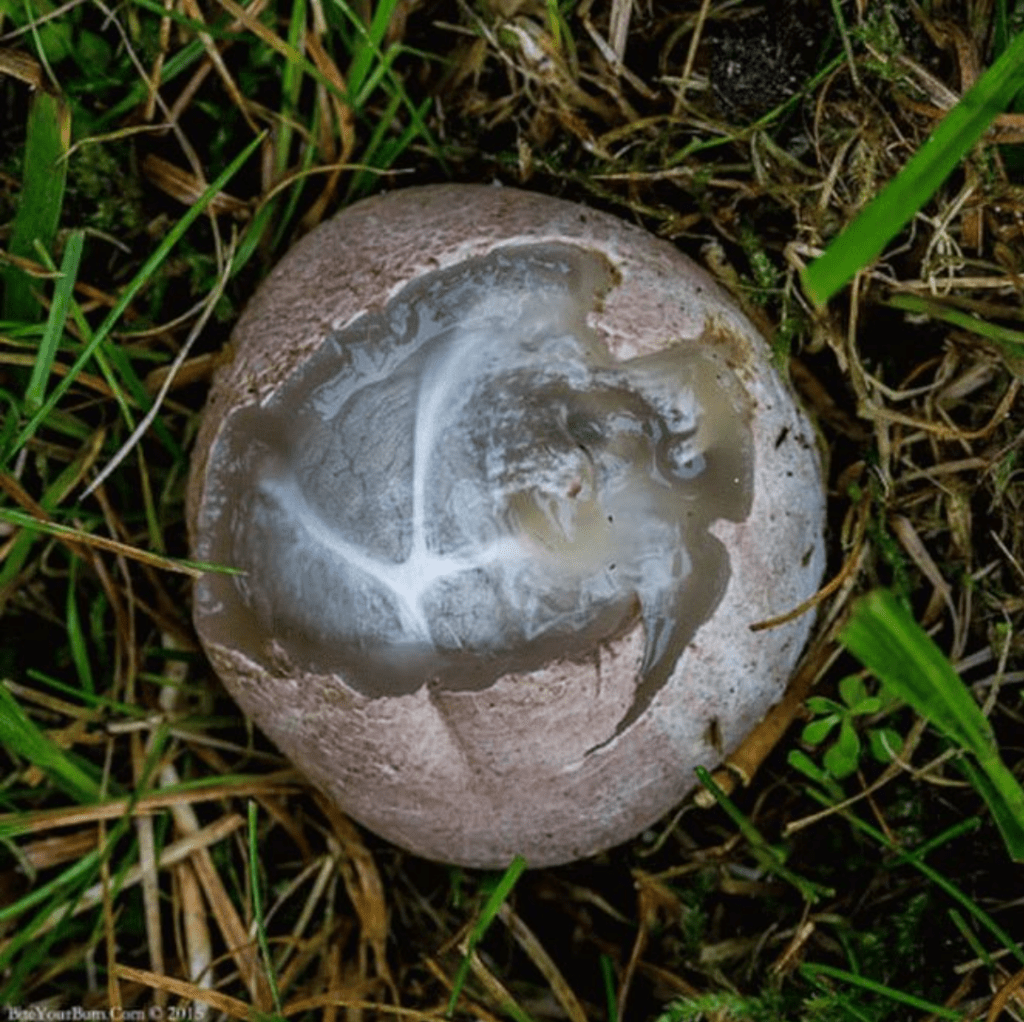
At this stage, nothing about it seems particularly threatening—if anything, it looks harmless, even ordinary. But that illusion doesn’t last long.
As the fungus matures, pressure builds inside the egg-like structure. Then, in a sudden and almost violent moment, the sac ruptures. What emerges next is what gives the organism its chilling reputation.
From within the split shell, four to eight elongated, tentacle-like arms burst outward, unfurling into the open air. These fleshy projections stretch and curl, resembling the fingers of some otherworldly creature clawing its way into existence.
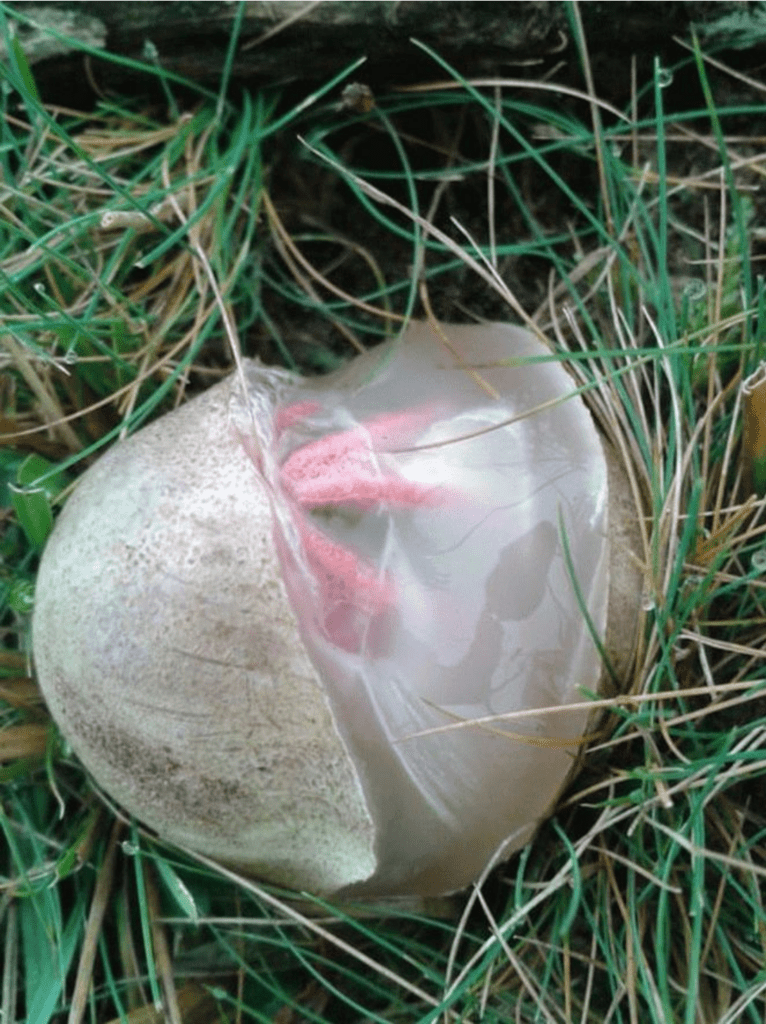
The visual impact is immediate and unforgettable. The “fingers” are typically bright pink to deep red, covered in a spongy, pitted texture that enhances their organic, almost raw appearance. They glisten slightly, adding to the illusion that they are alive.
It’s no surprise that people who encounter this fungus for the first time often mistake it for something far more sinister than a simple mushroom.But the unsettling appearance is only part of the story. The true strategy of *Clathrus archeri* lies in its smell.
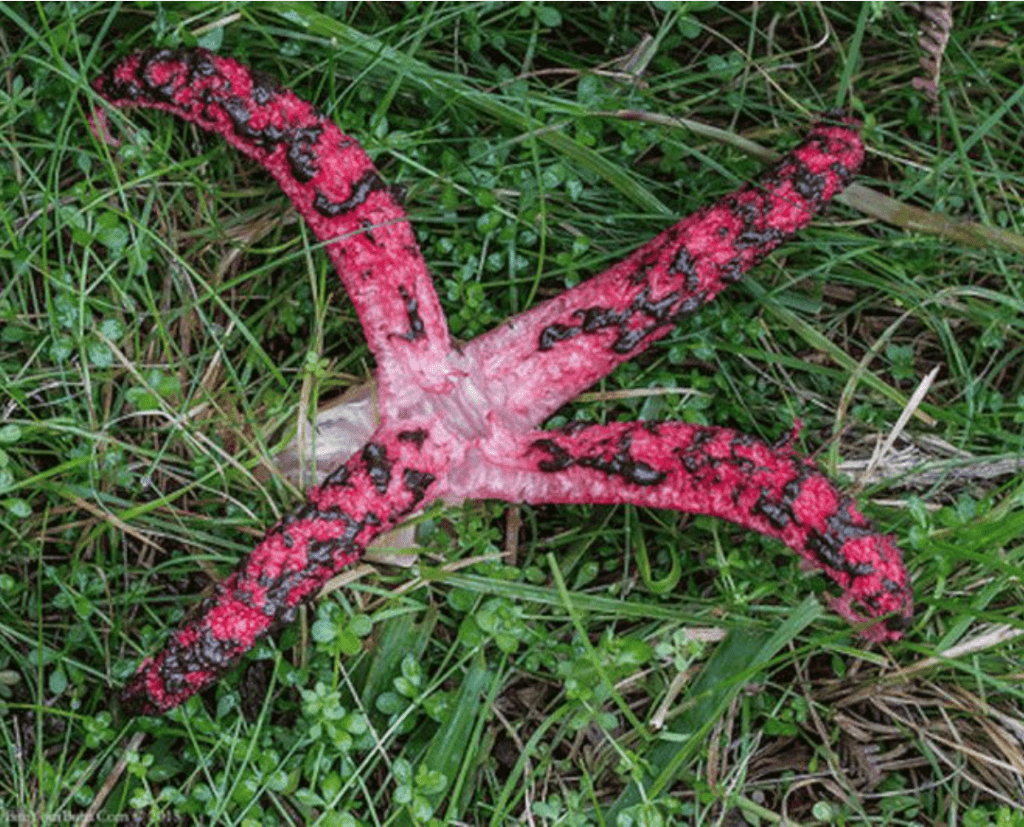
Once fully opened, the tentacles begin to emit a powerful odor—often described as the stench of rotting flesh. While repulsive to humans, this scent serves a very specific purpose in the natural world. It attracts flies and other carrion-loving insects,
which are drawn to the smell in search of food. When these insects land on the surface of the tentacles, they come into contact with a sticky, spore-containing substance.
Unknowingly, the flies become carriers. As they move on to other locations, they transport the spores with them, allowing the fungus to reproduce and spread. It’s a clever and efficient system—one that relies not on beauty or sweetness, but on decay and deception.
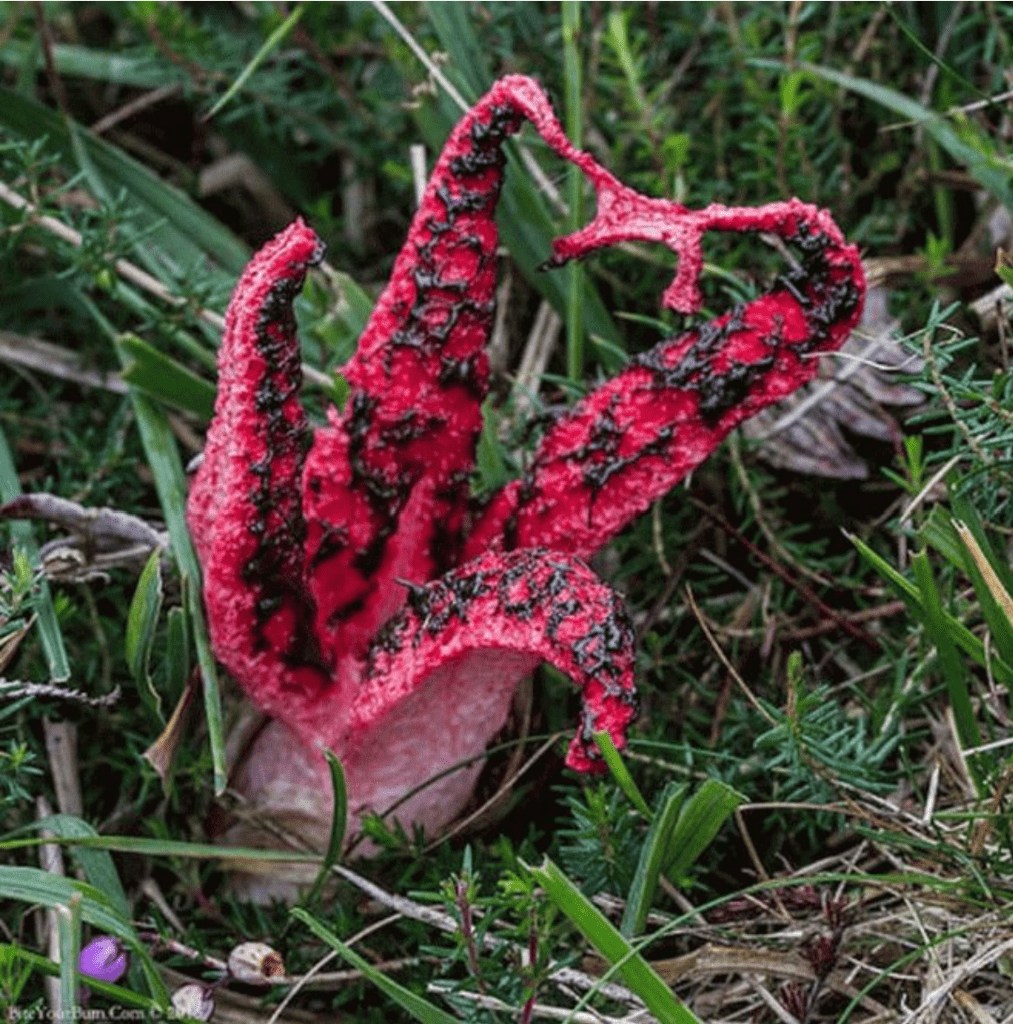
Because of its unusual shape, the fungus has earned another nickname: “octopus tentacles.” While slightly less ominous than “devil’s fingers,” it still captures the creature-like quality of its appearance.
Watching it emerge from its egg and slowly extend its limbs can feel disturbingly similar to witnessing the birth of a living organism rather than the growth of a plant or fungus.
Interestingly, the only stage at which this mushroom is considered even remotely edible is during its early “egg” phase. At that point, before it splits open and reveals its tentacles, it lacks the foul odor and extreme texture that define its later form.
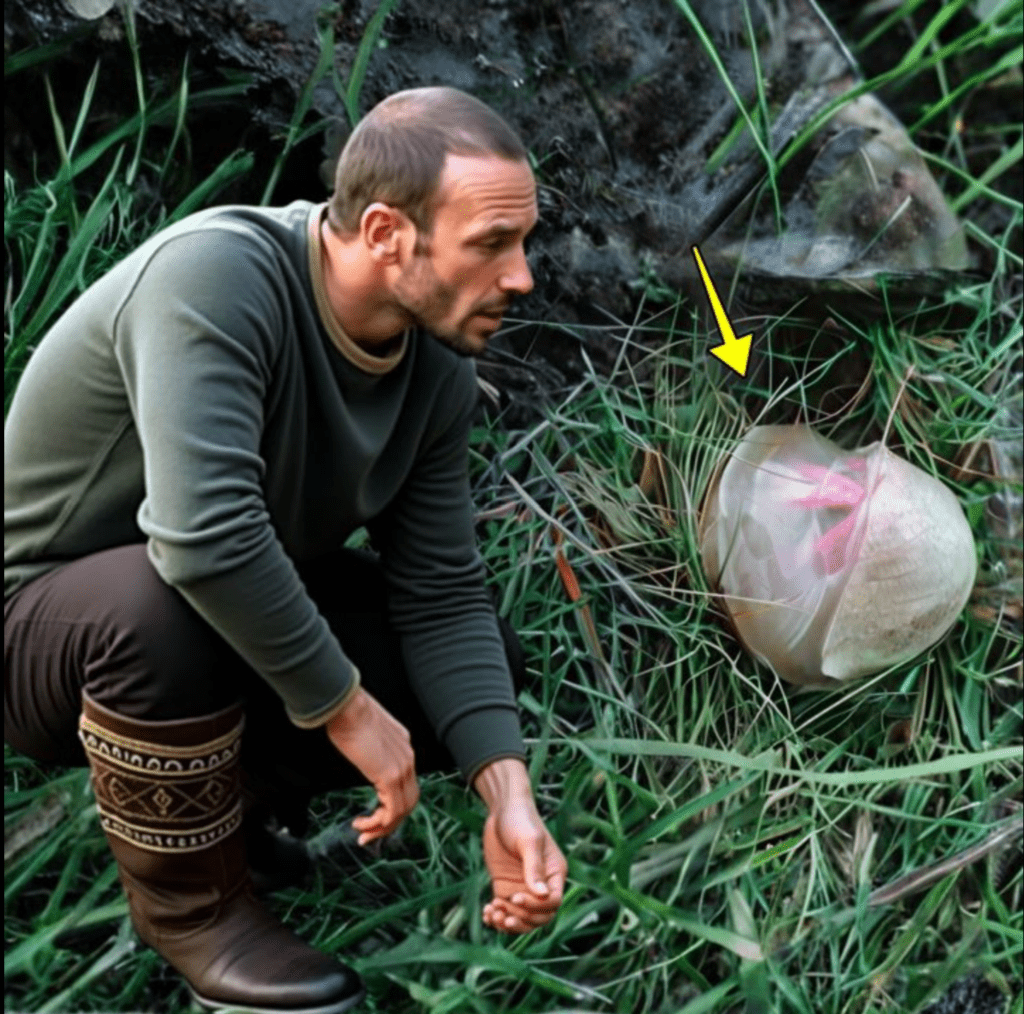
However, even then, it is not commonly consumed and is generally regarded as a last-resort food source in survival situations. For most people, the idea of eating something that will soon transform into such a grotesque structure is enough to discourage any culinary curiosity.
As the fungus completes its life cycle, the tentacles eventually wither and collapse, leaving behind little evidence of the strange spectacle that once stood there. Yet its brief existence leaves a lasting impression on anyone fortunate—or unfortunate—enough to witness it.
In many ways, *Clathrus archeri* challenges our expectations of what nature should look like. We often associate the natural world with harmony, beauty, and familiarity. But this peculiar organism reminds us that nature is also experimental, unpredictable,
and sometimes deeply unsettling. It doesn’t follow human ideas of aesthetics or comfort—it simply evolves in whatever way ensures survival.
And perhaps that’s what makes the “devil’s fingers” so fascinating. It’s not just its creepy appearance or its shocking method of reproduction—it’s the reminder that the natural world is far more complex and strange than we often realize.
So, if you ever come across what looks like a cluster of red, claw-like fingers emerging from the forest floor, you might want to pause before getting too close. It’s not a creature from a horror film—but it’s close enough to make you wonder.