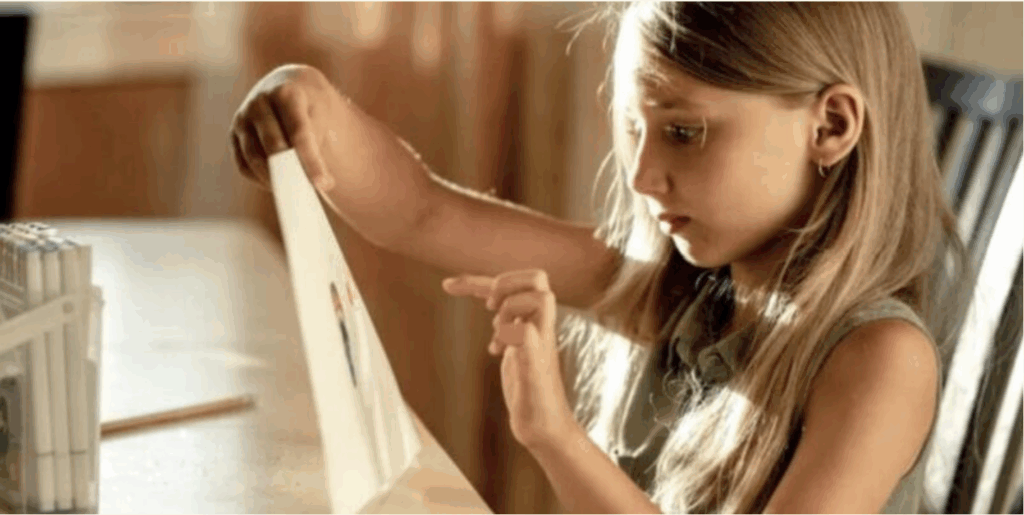
The Girl They Called “Trash Kid” For twelve long years, the nickname “Trash Kid” clung to Emma Walker like a shadow she couldn’t shake. It echoed down the crowded hallways of Bakersfield High, scribbled on her locker in thick black marker,
whispered behind cupped hands as she passed by with her worn-out backpack and quiet eyes. Emma’s story began long before the teasing — before the cruel laughter and the whispers.Her father had died in an accident months before she was born,
leaving her mother, Sarah, alone in a small house at the edge of town with nothing but debt and determination.To survive, Sarah collected recyclables.Every morning before dawn, she pushed a squeaky metal cart through dusty streets,
bending down to pick up bottles, cans, and old newspapers — whatever the world had thrown away.By nightfall, her hands were blistered, her clothes smelled faintly of rust and plastic, but she always came home with a smile and a few dollars to feed her daughter.
The First Day, Emma’s first day of school was supposed to be a fresh start.Instead, it was the day her nickname was born.Her uniform — begged from a church donation box — was two sizes too big, the sleeves rolled up unevenly.
Her shoes flapped slightly when she walked; one sole was held together with electrical tape.When she entered the classroom, the chatter paused.Then came the giggles — low at first, then growing like a wave.
At lunch, she opened her brown paper bag and took out a single piece of dry cornbread. A group of kids nearby pointed, laughing. When the cornbread slipped from her hand and hit the floor, one boy smirked and said loud enough for everyone to hear:

“Ew! Look — the trash girl dropped her trash!” The room burst into laughter. Emma bent down, brushed off the crumbs, and kept eating in silence. No tears. No words. Just quiet defiance.
Growing Up Different, By middle school, the teasing had sharpened into something colder.Her classmates showed off shiny phones, designer sneakers, and birthday gifts.Emma wore hand-me-down jeans patched with red thread and carried a backpack her mother had sewn herself.
After school, she didn’t go to the mall or play video games.She rode an old bike three miles across town to help her mom sort recyclables behind a warehouse. The air smelled of metal and rain-soaked cardboard. They often worked until the streetlights flickered on.
But her mother never complained.“Keep studying, sweetheart,” she would say, brushing sweat from her forehead. “One day, you’ll build a life far from this.”And every night, Emma would nod — even when her throat ached from holding back tears.
The Lonely Years, High school brought new faces, but the same cruelty.Emma was invisible, except when she wasn’t — when someone decided to remind her of what she was.“Trash Kid. ”Always whispered, never forgotten.
But while others wasted their evenings scrolling through social media, Emma studied under the dim light of a flickering bulb.She tutored younger students, worked small jobs, and helped her mom every night. Her hands grew rough, her back ached, but her grades were perfect.
At home, life was simple — two plates, one wobbly wooden table, and laughter that filled the cracks in the walls.Those dinners, humble as they were, kept her going.
The Graduation, The day of graduation came, warm and golden, with the scent of jasmine in the air. Emma walked onto the stage in her borrowed cap and gown. The applause was thunderous — for the girl who had risen from nothing to become valedictorian.
In the back row sat her mother, in the same faded work clothes she wore to the recycling yard. Her hands were calloused, her hair streaked with gray — but her smile glowed with pride brighter than any spotlight.
Emma’s voice trembled as she began her speech.“ For twelve years,” she said, “people called me *‘trash girl.’*I grew up without a father. My mother — sitting right there — collects recyclables for a living.”
The room fell utterly silent .“There were times,” she continued, “when I was embarrassed. When I wished my mom had another job, one that didn’t make people laugh.” She paused, her voice breaking.
“But every time I brought home a good grade, and saw her smile — that smile reminded me that we were never poor. Because love is worth more than gold.”She turned to her mother.“Mom, I’m sorry for ever feeling ashamed.
Thank you for picking up every bottle, every can, so I could stand here today. I promise you’ll never have to bend down in a trash yard again. I love you.” For a moment, the entire hall was silent. Then — applause exploded like thunder.
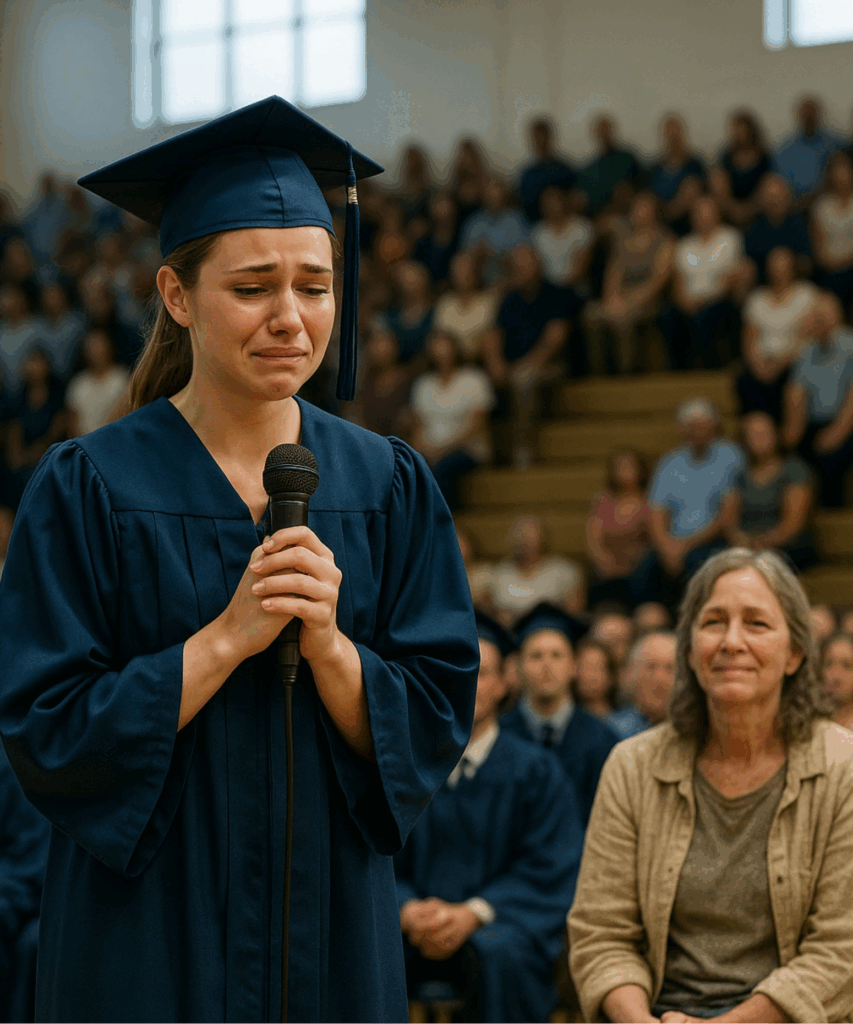
Students, parents, even teachers wiped their eyes. In the back, Sarah covered her mouth with her trembling hands, tears streaming freely — the happiest tears she had ever cried. A teacher walked up to Emma, placed a gentle hand on her shoulder, and whispered,
“We’re all proud of you, Miss Walker.” A Promise Kept, After that day, no one ever called her “Trash Kid” again. Her classmates apologized, some even asking to be her friend. But Emma remained humble — still waiting under the oak tree after school, where her mother’s cart once squeaked up the hill.
Years later, Emma became an environmental engineer — the same girl once mocked for her mother’s work now designing systems to protect the planet.
She founded a scholarship called “My Mother’s Smile,” dedicated to children of recyclers, janitors, and street cleaners — those who knew the value of dignity and hard work.
At every ceremony, she told her story — not for pity, but for hope.“There’s nothing shameful about honest work,” she would say. “The only thing that can truly hold you back is giving up on your dreams.”
After each speech, she’d pull out her wallet, look at a faded photo of her mother smiling, and whisper softly,“We did it, Mom.”Outside, the California sky glowed gold and pink — sunlight glinting off a modern recycling plant nearby.
The same place where, years ago, a woman had once bent down to pick up a bottle —the bottle that would one day pay for her daughter’s future. And somewhere in that sunset light, it almost felt like Sarah Walker’s smile was still shining — bright, eternal, and proud.