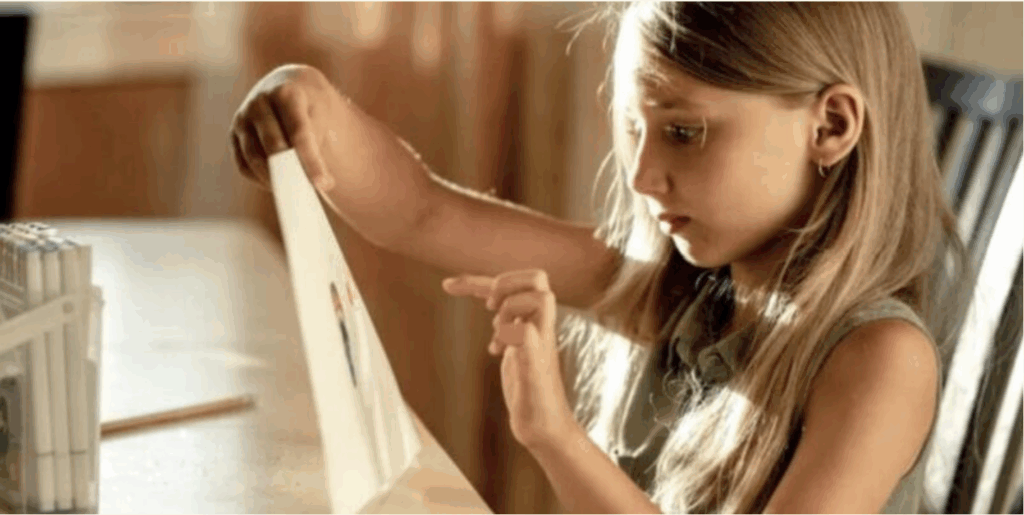
We checked into a small, roadside motel about an hour away, somewhere along the dusty stretch of Highway 75. It was the kind of place that promised anonymity: flickering neon signs that buzzed faintly in the night, the faint, lingering scent of stale coffee,
and linoleum floors that had seen better decades. But it was clean, and most importantly, quiet. Lily curled up beside me within minutes, her small frame tucked into mine, one arm draped protectively over her beloved stuffed bunny. She slept soundly almost immediately.
I, on the other hand, lay awake, staring at the cracked, peeling ceiling above, listening to the low hum of the old air conditioner, my mind unable to rest.
By morning, my phone was a battlefield. Ten missed calls from my mother-in-law, five from Mark, and a scattering of numbers I didn’t recognize—likely relatives eager to “mediate” before they even knew the full story. I finally opened a text from Mark:
Where are you? Mom is hysterical. She said you kidnapped Lily.
The word “kidnapped” pressed against my chest like a stone. I started typing a response, then deleted it. Instead, I sent a single photo: Lily, asleep and safe, wrapped in her small, peaceful cocoon. Nothing else.
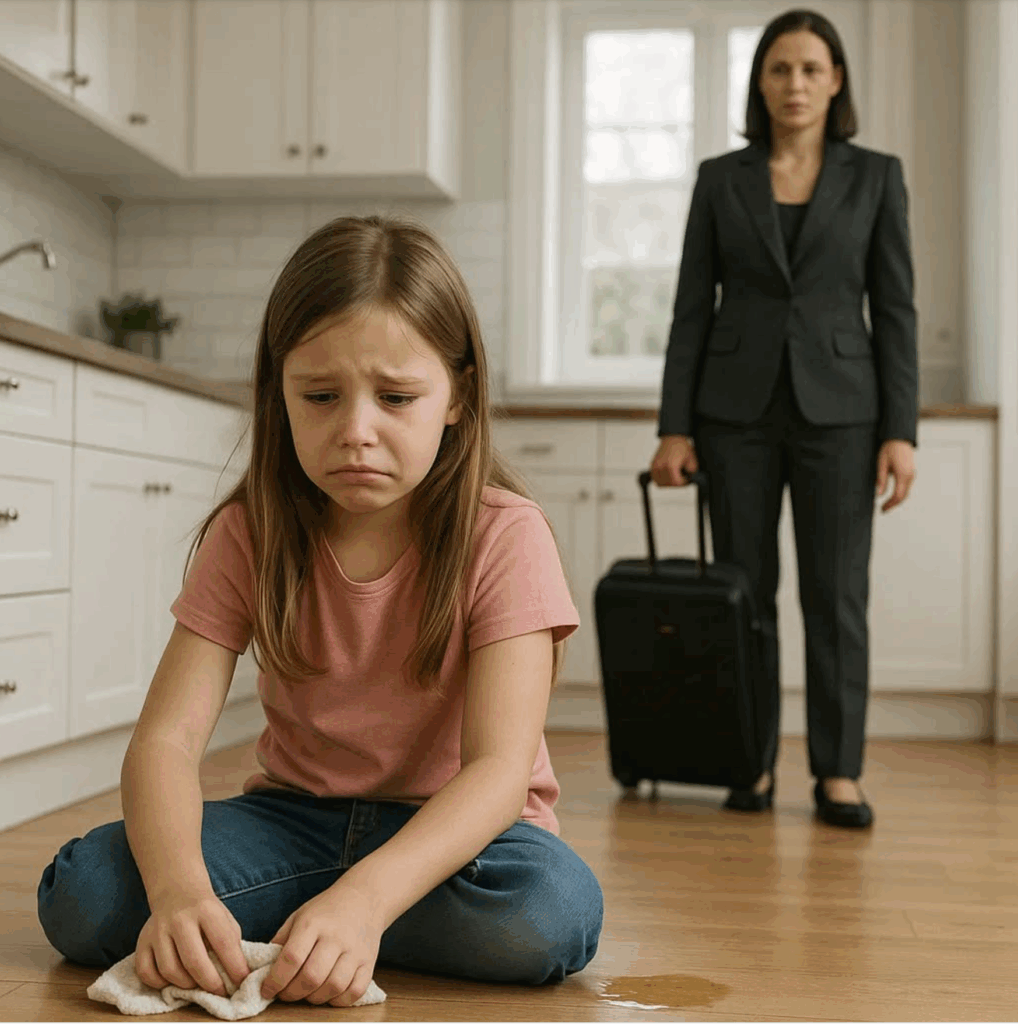
By noon, Mark had found us. He looked tired, confused, and a little angry, the harsh Texas sun casting long shadows over the motel parking lot as we met.“Karen,” he began, rubbing the back of his neck, “Mom says you left without telling anyone. She’s—”
“Your mother left our daughter alone. For hours. While they went to an amusement park.”He blinked, clearly unbalanced. “That… can’t be right.”“She admitted it. Ask Lily.”Mark’s eyes dropped to the ground. “They said it was just for a little while—”
“Seven hours, Mark. Seven hours. She’s nine.” My voice wavered despite my effort to stay steady.He exhaled sharply, the weight of reality pressing down on him. “I’ll talk to them.”“I already did,” I said softly. “Last night.”
He frowned, confusion and disbelief painting his features. “You—what did you do?”I looked him squarely in the eyes. “I went to their house. Collected every toy, every gift they ever gave her, and left them neatly on their porch, with a note.”
His jaw tightened. “Karen—”“The note said, ‘You don’t get to choose which granddaughter is worth your love.’”He stared at me for a long moment, processing. Finally, in a quiet, almost defeated voice, he said, “They’ll never forgive you for that.”
“I’m not asking for forgiveness,” I said. “I’m asking for respect—for my daughter.”
We stood there in silence, both exhausted, both realizing that this wasn’t just about one terrible afternoon. It was the accumulation of years of quiet favoritism, of jokes that never felt funny, of excuses made in the name of “family harmony.”
When we drove back home that evening, I told Lily she didn’t have to see her grandparents again unless she wanted to. She smiled faintly and asked if we could order pizza.
I said yes.That night, as we ate on the couch watching cartoons, my phone buzzed again—a new message from Mark’s mother:You’ve ruined this family.I set the phone face down. “No,” I whispered. “I finally protected it.”
Three weeks passed before we saw them again. It was at Emily’s birthday party, and Mark insisted we at least show up for an hour, “to be civil.”
The moment we entered, the tension was palpable. His parents lingered near the cake table, surrounded by relatives pretending nothing had happened. When Lily walked in, conversations faltered, glances flicked between people, and someone quickly changed the subject.
My mother-in-law, Susan, approached with a brittle, forced smile. “Karen,” she said, her voice sharp beneath a sugary tone, “you’ve caused quite a scandal.”“I told the truth,” I replied evenly.“You exaggerated,” she hissed. “We left her with the neighbor. She wasn’t alone.”
“Funny,” I said, “the neighbor didn’t know that.”Her face flushed crimson. “You’ve poisoned Mark against his own family.”I glanced at him. He stood stiff, silent, but steady. “If telling him what happened is poison,” I said softly, “then maybe this family’s been sick for a long time.”
The room went quiet. Susan opened her mouth, but Mark stepped forward. His voice was calm, deliberate, but carried a weight that made everyone stop in their tracks.
“Mom,” he said, “you need to stop. You can be part of Lily’s life if you treat her like your granddaughter. Otherwise, you won’t be part of it at all.”
Susan stared, eyes wide with disbelief, then fury. “You’d choose her over us?”He looked at me, then at Lily, who clutched her bunny nervously. “I’m choosing what’s right.”
The rest of the party passed in a blur. We stayed long enough for Lily to have a slice of cake, then quietly left.In the car, she looked out the window and said softly, “Mom, I think I don’t want to go to their house again.”
I reached over and squeezed her hand. “You never have to, sweetheart. Not unless you want to.”That night, as I tucked her into bed, she whispered, “Are we still a family?”
I smiled, brushing a strand of hair from her face. “We always were. We just stopped letting the wrong people define what that means.”Outside, the city hummed—cars passing, a distant train. Ordinary sounds, but to me, they sounded like freedom.
By the next morning, the calls had stopped. The silence this time wasn’t heavy. It was peaceful. And for the first time in years, our home finally felt like ours.