Adam Rivers, a single father, lost his job after helping an injured biker who had secretly taken refuge in a warehouse. One early morning, during his shift, Adam noticed a man slumped in a corner: a torn jacket, blood on his collarbone, a swollen eye.
Without asking any questions, Adam handed him a bottle of water and a thermos, purely out of compassion. The man, Ridge, accepted the offer gratefully, and in those few seconds, a quiet connection formed between them.
Shortly afterward, Ridge disappeared, but the surveillance cameras had recorded everything, and Adam was held accountable. His supervisor, Todd Coleman, immediately fired him for failing to report the incident according to protocol.
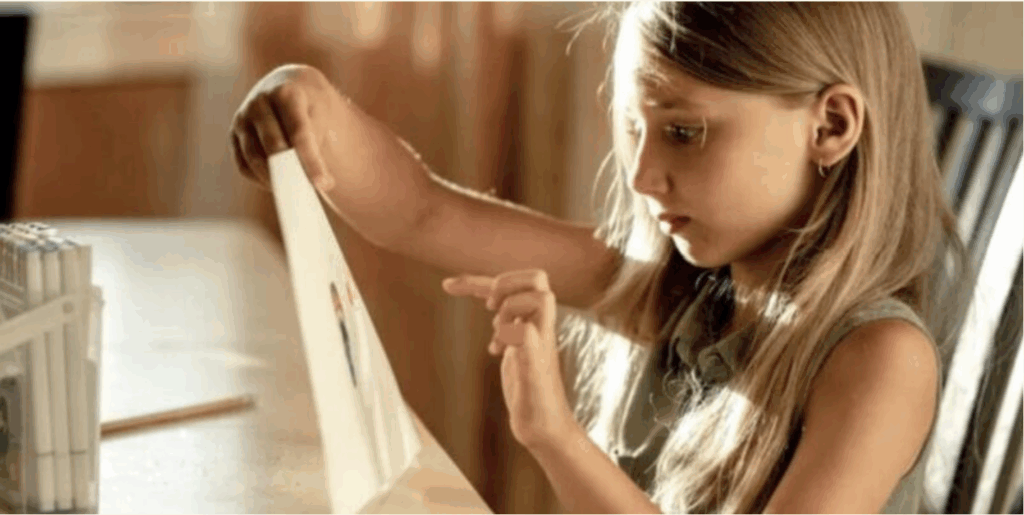
At home, Adam had to break the heavy news to his ten-year-old daughter, Lily. Despite losing their income, Lily responded with unconditional love: “You’re still my hero.” That moment of support gave Adam strength, even as he bore the weight of the situation himself.
Life, however, had more surprises in store. A few days later, Adam heard the roar of motorcycles outside his small home—forty machines lined up, and the bikers had come to thank him. Among them was Ridge, the biker he had helped.
Leading the group was a silver-bearded man wearing a leather vest marked with the letters “AFF,” who explained that Adam had performed a rare act in today’s world: true kindness and compassion without expecting anything in return.
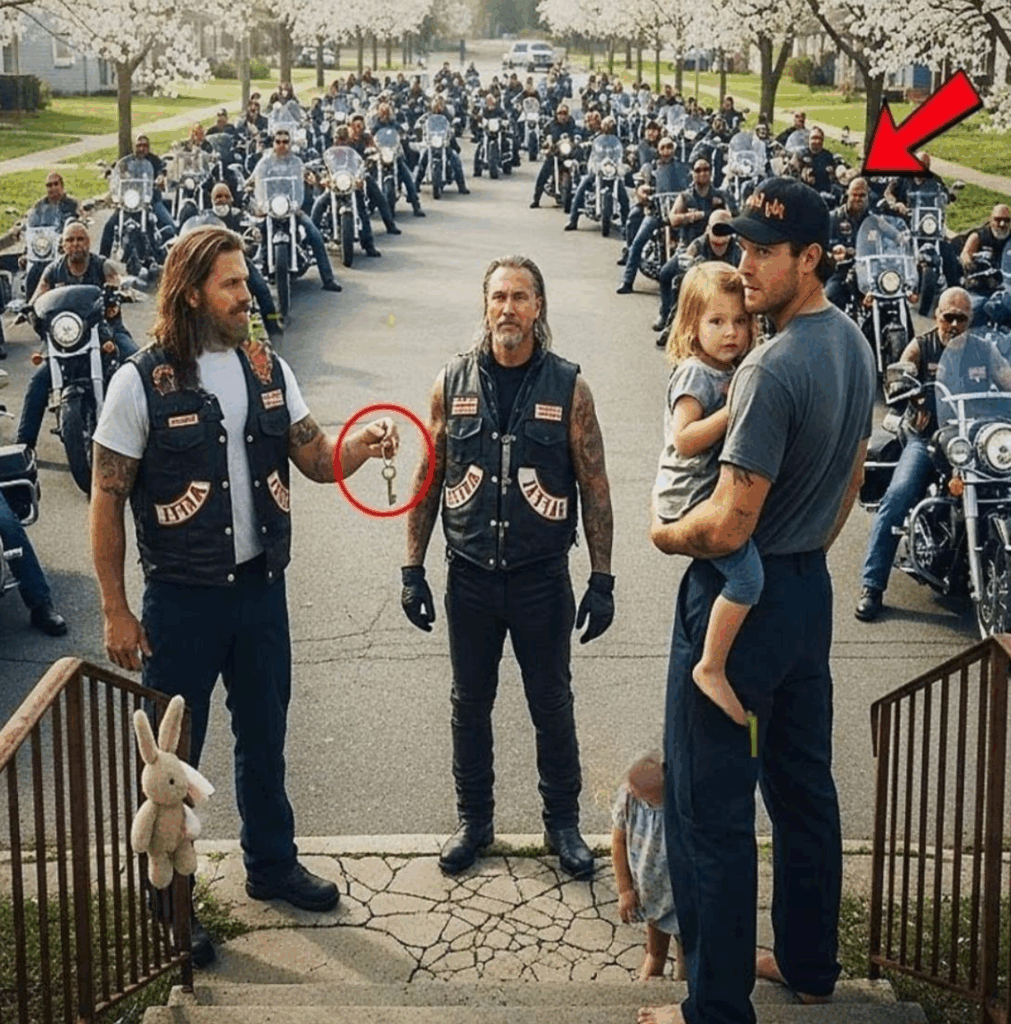
Ridge and the other bikers handed Adam the keys to a van, inside which awaited a fully restored Harley-Davidson—a motorcycle that had once belonged to Adam’s late father, Rusty Rivers, a man who had once been a member of the chapter.
Adam learned that his father had saved lives and was respected for his generosity. The motorcycle had been rebuilt in Adam’s name, giving him not only a piece of his family’s history but also a chance to begin a new chapter in his life.
Adam and Lily followed the biker convoy to an old, abandoned garage. Inside was a fully equipped workshop, freshly painted, clean, and ready for work. Above the entrance hung a newly painted sign: “Rivers Customs.”
Ridge explained that this would be Adam’s new workplace, a place where he could not only work but also learn and grow. Adam felt that this was not charity but his father’s legacy, meant to be continued.
In the following days, Adam learned to run the workshop. Ridge and the other bikers guided him patiently: lifts, tools, order management software—everything was explained step by step. Lily became involved as well, drawing logos and decorating the office with her creative ideas.
Adam began to realize that kindness and generosity could achieve far more than immediate recognition. Small gestures could lead to larger opportunities, allowing him not only to repair vehicles but also to inspire trust, hope, and courage in those around him.
Their first customer was Serena, a woman with a broken chain who otherwise couldn’t afford the repair. Adam helped her for free and saw how a simple act of assistance created a ripple effect. The clientele grew, and Rivers Customs became a safe haven for those in need.
Even teenagers like Eli, a homeless youth, found a second chance there. Adam offered him work, got to know him, and gave him the opportunity to reintegrate into society.
Adam’s story spread quickly—first locally, then nationally. Media outlets reported on him not for fame, but for the moral message behind his actions: he had helped an injured man without expecting anything in return, and he was rewarded—not immediately,
but in a way that changed lives. Ridge and the AFF biker chapter continued to support Adam and Lily, demonstrating that community, loyalty, and recognition of genuine deeds weigh more than material rewards.
Weeks later, Todd Coleman visited the workshop to apologize. He admitted that he had acted too quickly and cost Adam his job, despite Adam having done something good. Adam realized that redemption sometimes doesn’t announce itself loudly—it whispers.
That encounter showed that courage and integrity often start small but can be felt far and wide.
The workshop became a symbol of second chances, collaboration, and the continuation of a father’s legacy. Adam and Lily grew together in this new world. Lily continued contributing creatively,
and Adam found joy not only in fixing motorcycles but also in helping people and communities. The small workshop became a place where kindness was practiced and passed on.
On special days, like Christmas, the bikers expressed their gratitude in unique ways: forty riders would arrive, wearing hats and tinsel, and hand Lily personalized gifts, strengthening her sense of belonging.
Adam realized that the world could be changed by small acts of kindness, that generosity is contagious, and that it can span generations.
Years later, Adam remained humble, helping wherever he could and never actively promoting his story. Yet his actions and Rivers Customs inspired countless people. Lily learned the importance of helping others, and Adam’s legacy lived on through her.
The workshop, the biker chapter, and the story of a single bottle of water became symbols of courage, compassion, and the power of kindness—a reminder that even a small gesture can set off waves of change.
In the end, the story showed that Adam’s life, despite all hardships, was not only saved but enriched. He harmed no one, and through his selfless actions, he honored his father, Ridge, and Lily, while inspiring a community of people to continue doing good.
The message was clear: kindness, courage, and adherence to values can open even the most unlikely doors—and sometimes, a simple gesture is enough to change the world forever.